
10 Lesser-Known Coastal Flavours Beyond Kerala and Goa
For diners and chefs alike, the next interesting coastal discovery may already be sitting on a regional menu waiting to be noticed.

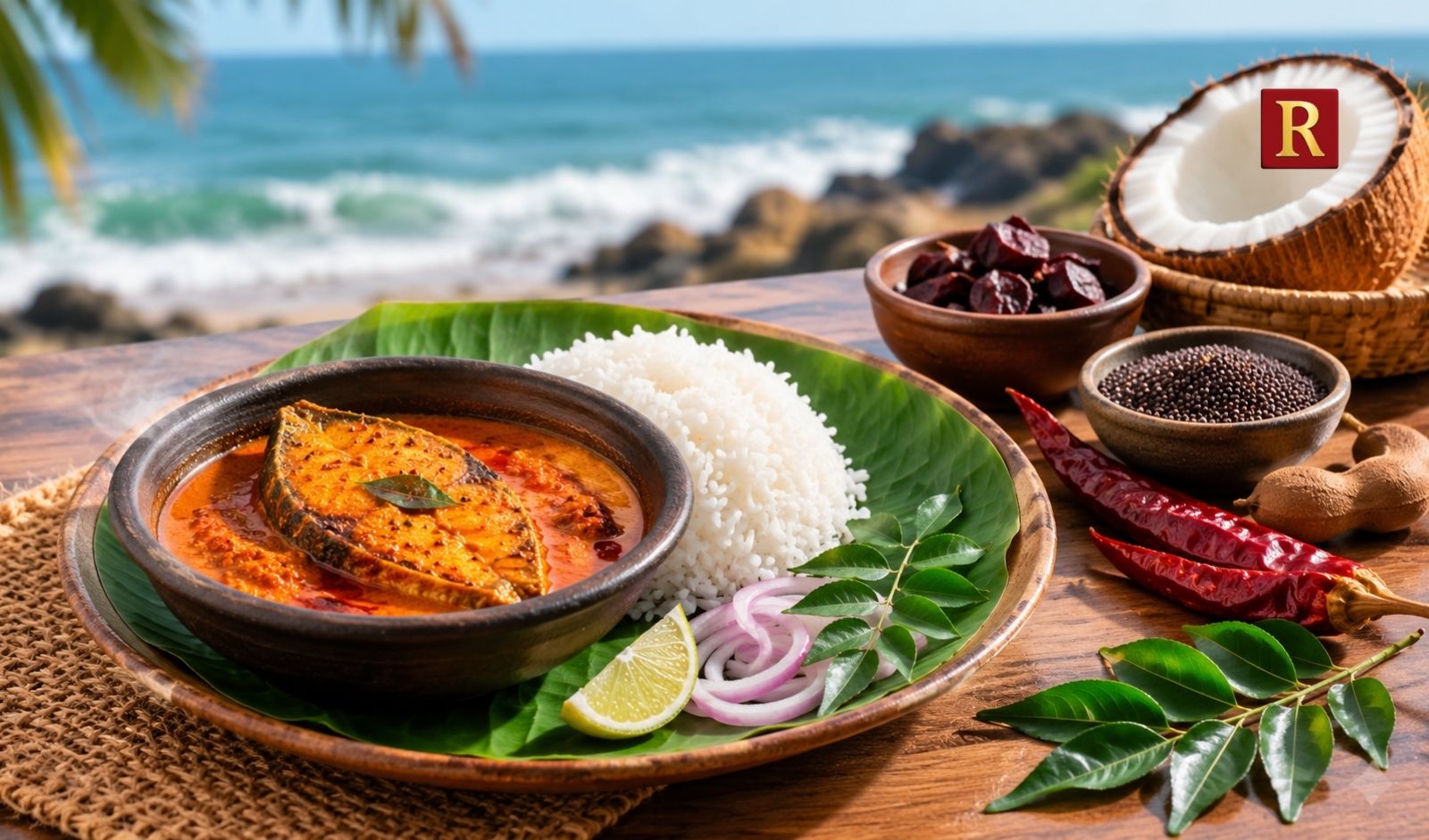
India’s coastline is far more diverse than the familiar food stories of Kerala and Goa. From Maharashtra’s kokum-rich curries to Odisha’s mustard-led fish dishes and Lakshadweep’s tuna traditions, coastal food changes sharply from one region to another. India’s coastline was reassessed at 11,098.81 km in 2025, up from the earlier official figure of 7,516.6 km. The revised measurement captures more detailed coastal geography using modern surveys and GIS technology. That vast coastline has created many regional food traditions shaped by local fish, spices, preservation methods, farming, trade and community practices.
10 Lesser-Known Coastal Flavours
1. Malvani: Kokum, Coconut and Roasted Spices
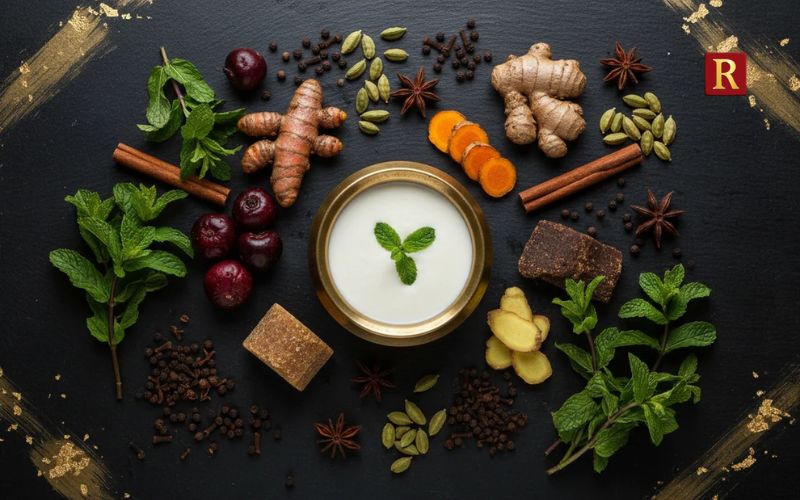
The Konkan coast of Maharashtra has a strong culinary identity built around seafood, coconut and souring ingredients. Malvani masala is central to the cuisine. Maharashtra Tourism describes it as a blend of around 15 to 16 aromatic spices. Coconut and coconut milk are also widely used in curries and seafood preparations. Kokum adds a sharp, fruity acidity. It helps balance the richness of coconut and seafood. Malvani fish curry, prawn preparations, bombil fry and sol kadhi show how this flavour system works. For restaurants, Malvani cuisine offers a strong alternative to the usual coastal menu. Its combination of red spice, coconut and kokum is distinctive enough to build an entire regional menu around.
2. Coastal Karnataka: Coconut, Chilli and Ghee
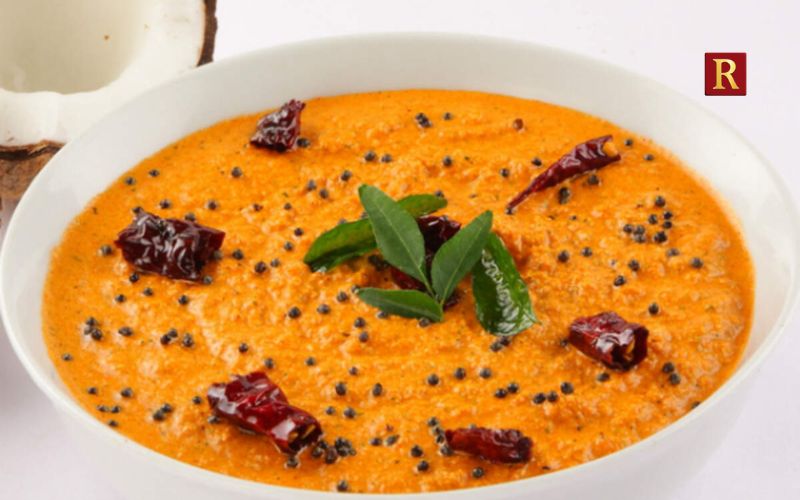
The Mangaluru-Udupi belt has one of India’s most varied coastal food cultures. Karnataka Tourism notes that the region brings together Konkani, Shetty, Kerala and Goan influences. Coconut, garlic, red and green chillies, pepper and local seafood are important ingredients. Coconut oil and ghee also play a major role. The famous ghee roast technique shows how fat can become part of the flavour itself. Dishes such as Mangalorean fish curry and Kundapur chicken combine heat with coconut and tamarind. Neer dosa, kori rotti and pundi provide the rice-based accompaniments that complete many coastal meals.
3. Odisha: Mustard, Ambula and Fermented Flavours
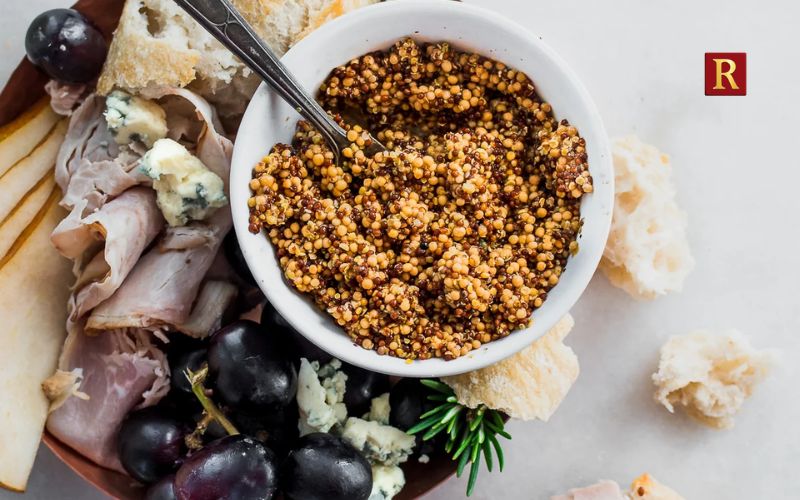
Odisha offers one of the most interesting coastal flavour profiles in India. Its food often uses mustard, green chilli, cumin and souring ingredients. One especially distinctive ingredient is ambula, a cured and dried raw mango used to add acidity. Odisha Tourism documents preparations combining ambula, fermented chilli, dried mango and cumin. It also features dishes such as mustard prawns and prawns cooked in sal leaves. This gives Odia food a flavour profile that can be tangy, mustardy and aromatic without depending entirely on chilli heat. The cuisine is also receiving greater attention from chefs looking to bring regional Indian food into modern restaurant formats.
4. Bengali Coastal Flavours: Mustard Oil and Fish
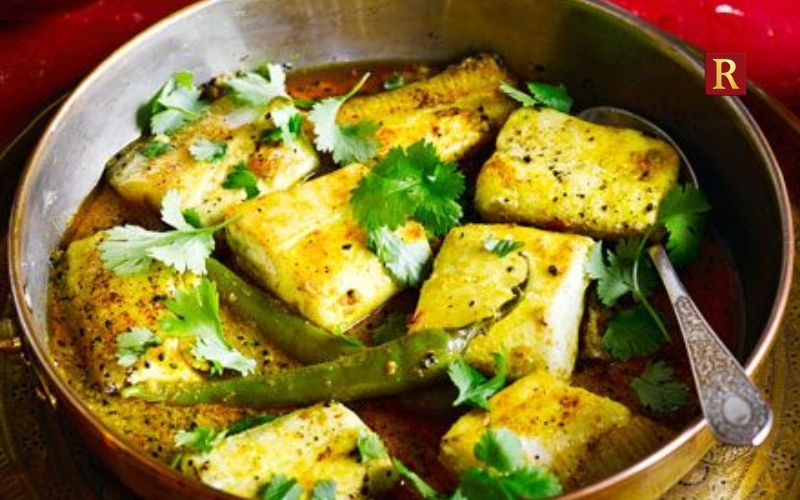
Bengali food is often associated with fish, but its flavour identity goes beyond the ingredient itself. Mustard oil, mustard paste, green chilli and turmeric create a pungent and earthy base for many fish preparations. Shorshe ilish is perhaps the best-known example. Other preparations use bhetki, prawns, crab and smaller river and estuarine fish. This is also where geography matters. Bengal’s food culture has been shaped by rivers, wetlands, estuaries and the Bay of Bengal. The result is a cuisine where fish is not treated as a separate category. It is deeply connected to everyday cooking and rice-based meals.
5. Coastal Andhra: Tamarind, Chilli and Bold Heat
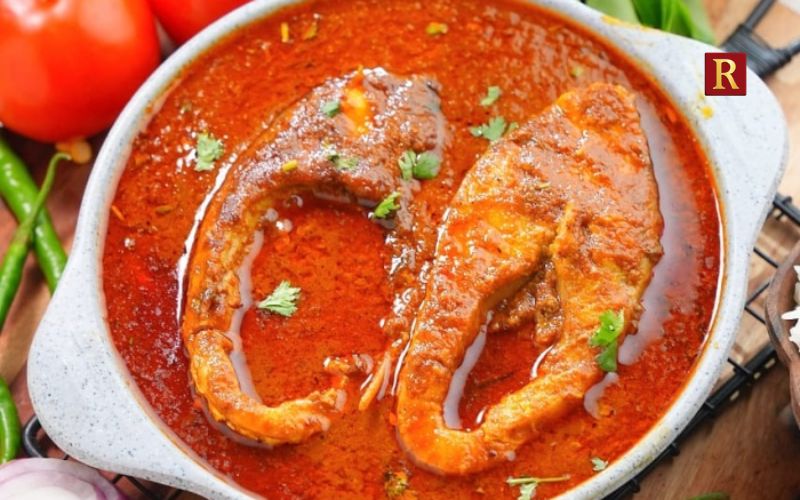
Coastal Andhra takes a different approach to seafood. The combination of tamarind, red chilli, curry leaves, garlic and oil creates intense flavours that work particularly well with fish and prawns. One important example is chepala pulusu, a tangy fish curry where tamarind provides the backbone of the gravy. Srikakulam Tourism also identifies chepala pulusu as one of the region’s local specialities. Kakinada’s coastal food culture further reflects the importance of freshly caught fish and seafood. For modern restaurants, this flavour system can translate into seafood grills, rice bowls, small plates and regional tasting menus.
6. Tamil Coast: Tamarind, Curry Leaves and Pepper
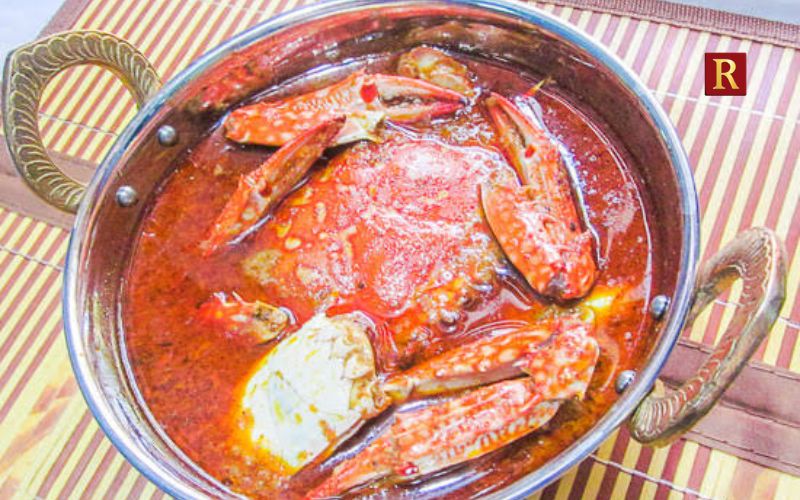
The Tamil coast has its own seafood identity, especially around places such as Kanniyakumari. Meen kuzhambu, crab masala and other fish preparations commonly bring together tamarind, chilli, curry leaves and spices. Kanniyakumari’s cuisine is described as spicy but relatively simple in its ingredient combinations. Its coastal restaurants also make seafood a central part of the local food experience. This simplicity is important. A good coastal curry does not always need a long list of spices. Tamarind can provide acidity, curry leaves add aroma and chilli supplies heat. The fish then becomes the centre of the dish. That balance makes Tamil coastal flavours particularly adaptable to contemporary menus.
7. Coastal Gujarat: A Different Side of Gujarati Food
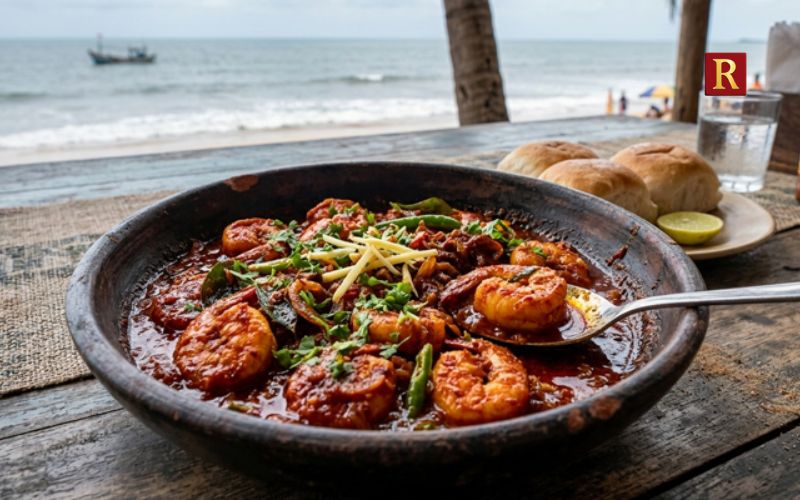
Gujarat is widely recognised for vegetarian cuisine, but its long coastline has also supported seafood traditions among specific coastal communities. Daman and the wider western coastal belt show how Gujarati, Goan and other regional influences can meet. Incredible India describes Daman’s food culture as a blend of Goan and Gujarati influences, with seafood including prawns and squid. This is an important distinction for restaurants and writers. Gujarati cuisine should not be treated as one uniform food culture. Coastal communities have developed different culinary traditions based on local ingredients, migration and cultural exchange. That makes the western coast an interesting space for exploring seafood through a different regional lens.
8. Puducherry: Tamil Ingredients with a French Connection
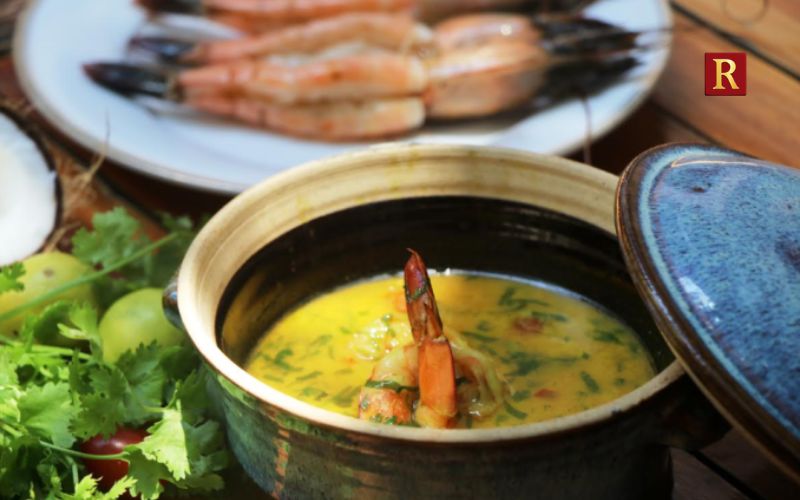
Puducherry offers one of India’s most unusual coastal food stories. The Union Territory has four coastal regions: Puducherry, Karaikal, Mahe and Yanam. Puducherry and Karaikal lie on the east coast, while Mahe is on the west coast and Yanam is in Andhra Pradesh. Its food culture reflects a long Tamil connection alongside a strong French influence. Seafood, curry leaves, tamarind and local spices can meet cooking techniques and ingredients associated with French cuisine. The result is not simply “French food with Indian spices”. It is a layered food culture shaped by geography, history and cultural exchange. For chefs, this makes Puducherry particularly useful for modern regional menus.
9. Andaman and Nicobar: Fresh Seafood and Island Ingredients
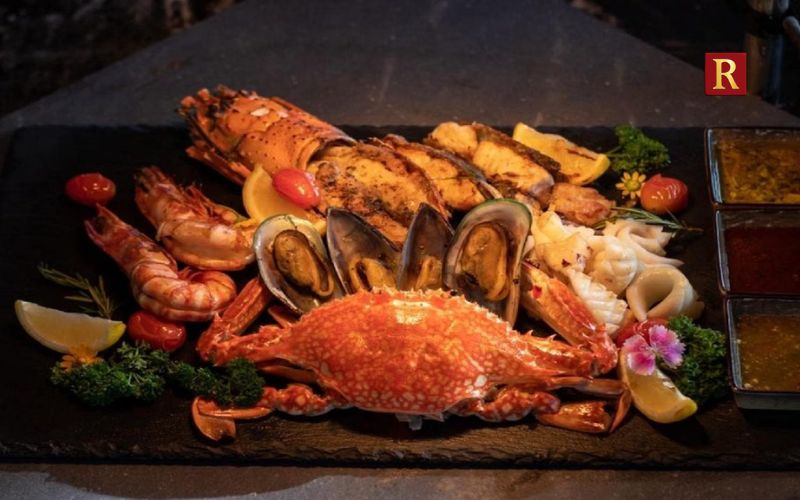
The Andaman and Nicobar Islands add another dimension to India’s coastal food story. The official tourism department highlights freshly caught seafood, prawns, crab and grilled lobster among the popular local food experiences. It also notes the presence of South Indian, Bengali, North Indian and international influences. This diversity is important. The islands should not be presented as having one single cuisine. Their contemporary restaurant scene reflects migration and tourism alongside local seafood availability. For diners, the attraction lies in the freshness of the catch and the tropical setting. For restaurants, island-style seafood can inspire simple preparations where the quality of the main ingredient remains the focus.
10. Lakshadweep: Tuna, Coconut and Preservation
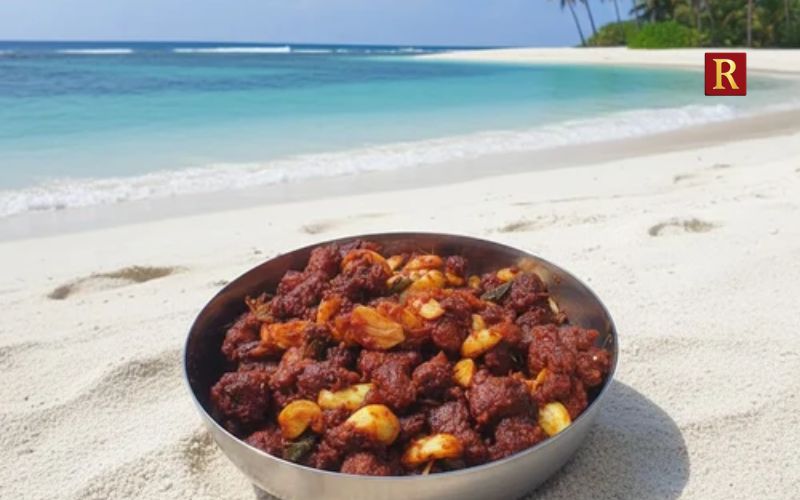
Lakshadweep has one of India’s most distinctive seafood economies. The islands have a lagoon area of about 4,200 sq km, while tuna is their primary fishery resource. The Lakshadweep Fisheries Department recorded fish production of 16,891 metric tonnes in 2024–25. Traditional pole-and-line fishing is closely associated with tuna fishing in the islands. Minicoy is particularly important for tuna. It has a tuna-canning facility and a long fishing tradition. Another important flavour story is masmin, a traditional dried fish product. Drying concentrates the fish’s flavour and makes preservation part of the cuisine. Coconut is also an important island crop and a familiar part of Lakshadweep’s food environment.
Looking Ahead!
These 10 regions show that Indian coastal food is not one category. One coast may rely on kokum. Another may use mustard. Another may build its dishes around tamarind and chilli. Island cuisines may depend heavily on tuna and preservation. This creates an opportunity for restaurants to move from broad labels such as “coastal Indian” to more precise regional storytelling. A menu could feature a Malvani kokum curry, a Coastal Karnataka ghee roast, an Odia mustard fish, a Coastal Andhra tamarind preparation or a Lakshadweep-inspired tuna dish. The key is to understand the flavour logic before adapting it. Regional cuisines are shaped by ingredient availability, geography and cultural history. Research on Indian cuisines has also found that ingredient combinations help create distinct culinary fingerprints across regions. India’s coastal food story therefore does not end with Kerala and Goa. It stretches from the Konkan coast to the Bay of Bengal and across island communities where seafood, spices, souring agents and preservation techniques have created very different culinary identities. For diners and chefs alike, the next interesting coastal discovery may already be sitting on a regional menu waiting to be noticed.
Saptopriya Ghosal
Feature Writer
I am a dedicated media professional with a bachelor's degree in mass communication from the State University of Calcutta and a postgraduate degree from Amity University. My academic journey has equipped me with a profound understanding of storytelling and communication. Passionate about the dynamic world of media, I continually strive to explore new ways to engage and inform through compelling narratives.



































































































































































