
10 Indo-Japanese Fusion Foods You Must Taste
Indo-Japanese fusion is a wild experience in the best way. It’s one of those food trends that feels like it wouldn’t work, but once you try it, you get hooked. Think of bold Indian spices hanging out with delicate, umami-packed Japanese flavors. The result is dishes that are gutsy, balanced, and full of surprises.

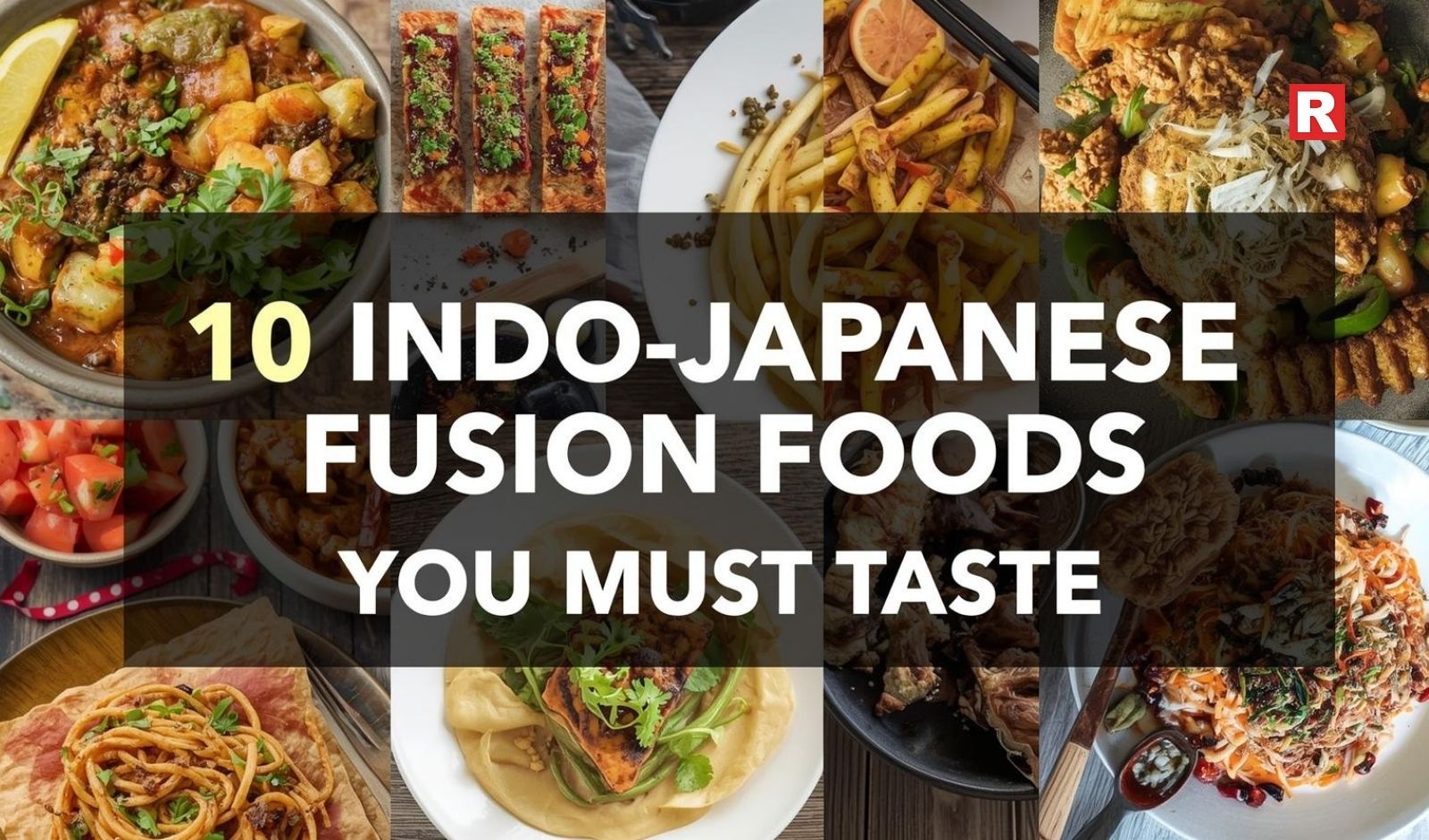
Indo-Japanese fusion is a wild experience in the best way. It’s one of those food trends that feels like it wouldn’t work, but once you try it, you get hooked. Think of bold Indian spices hanging out with delicate, umami-packed Japanese flavors. The result is dishes that are gutsy, balanced, and full of surprises. Like sushi with tandoori in the middle. Naan slathered in miso butter. This is what happens when two food worlds crash together and create something entirely different.
This trend is exploding in Tier-1 cities like Mumbai, Delhi, and Bengaluru. Chefs there are just going for it, mixing, matching, and inventing dishes that stay true to both roots but taste totally new. If you like eating something unique, here are ten Indo-Japanese fusion dishes you’ve got to try.
Read more: Top 6 Japanese Dishes to Try for an Authentic Taste of Japan
A Brief History of Indo-Japanese Fusion: When Masala Met Miso
Indo-Japanese fusion came to life when curious chefs and food lovers started mixing things up through travel, trade, and just plain love for trying new flavors. Indian cooks took a liking to Japan’s minimalist style but didn’t hold back on the spices. Meanwhile, Japanese chefs got bold, folding Indian curry flavors into their own dishes. As food scenes exploded in places like Mumbai, Tokyo, and Singapore, fusion dining took off. People everywhere wanted to taste something new. Funny thing is, Indian and Japanese food aren’t as different as they seem. Both care deeply about balance, freshness, and being thoughtful in the kitchen. What started as a wild experiment is now a tasty bridge between the two cultures. You get a little bit of artistry from both sides, all on one plate.
Ten Dishes With The Best Umami Flavor
1. Tandoori Sushi Rolls
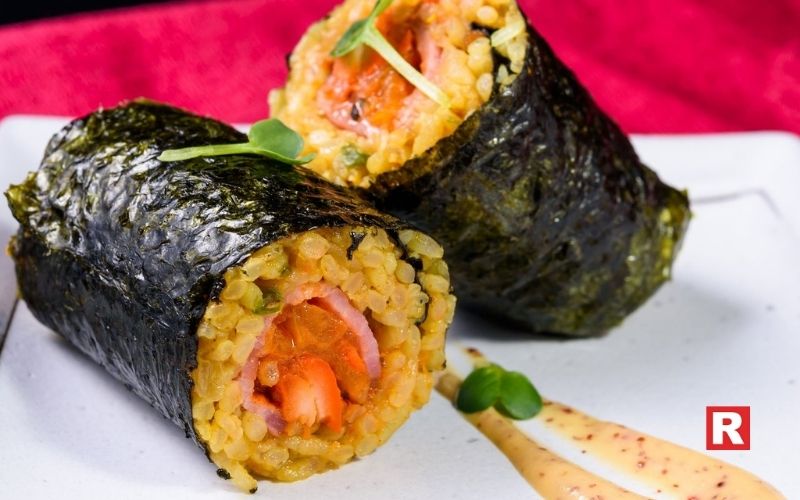
Sushi’s all about careful technique and subtle flavors. But add in some Indian flavors, and suddenly it gets a lot more exciting. Tandoori Sushi Rolls swap out the usual raw fish for things like paneer tikka, chicken straight from the tandoor, or veggies cooked with Indian spices. The rice isn’t just plain either: it’s got hints of cumin or saffron. And forget soy sauce; you’re dipping these in mint chutney. Every bite is this mix of soft rice, smoky fillings, and a punch of flavor. It’s Japan’s cool elegance meeting India’s fire.
Know more: Inja: A Marriage of Indian and Japanese Flavors
2. Miso Butter Naan
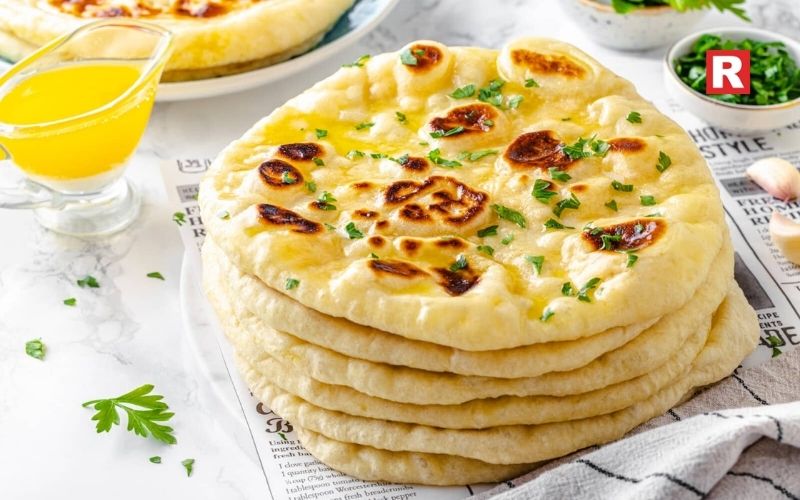
Naan is already a crowd-pleaser, but add miso to the mix and you take it up a notch. Miso Butter Naan is exactly what it sounds like: classic naan, but brushed with a combo of butter, garlic, and white miso paste before it hits the tandoor. What you get is a bread that’s crisp outside, pillowy inside, and packed with savory, earthy flavor. Pair it with a mild curry or some yakitori skewers. Either way, you’ll want to have a second plate, surely. Want to try it at home? Just stir a teaspoon of miso paste into your melted butter before brushing it on the naan. Easy, right?
3. Curry Ramen Bowl
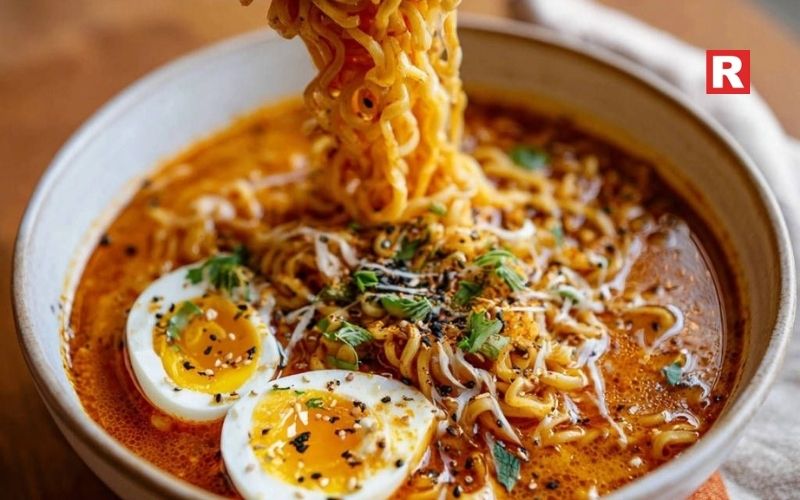
This dish is a hug in a bowl. Curry Ramen is what happens when Indian comfort food meets Japanese noodles. Instead of a clear broth, the soup is thick and spiced up with turmeric, cumin, and coriander. You know, all the good curry ingredients. Add in noodles, boiled eggs, and sautéed veggies, and you’ve got a bowl that’s rich and filling but still slurpable. Some spots even make veggie versions with coconut milk or paneer. It’s the perfect dinner for a chilly night.
4. Wasabi Samosas

Here’s a fusion you can eat with your hands. Wasabi Samosas seem like a classic Indian street snack, but then the addition of wasabi shakes things up. The potato filling gets a blast of wasabi, plus edamame and spring onions. So you bite in, and it’s hot, aromatic, and just a little wild. Dip them in soy-tamarind sauce for that spicy-tangy-salty trilogy. Why does it work? Wasabi’s heat hits like Indian chili; it's just a different kind of heat.
5. Teriyaki Paneer Skewers
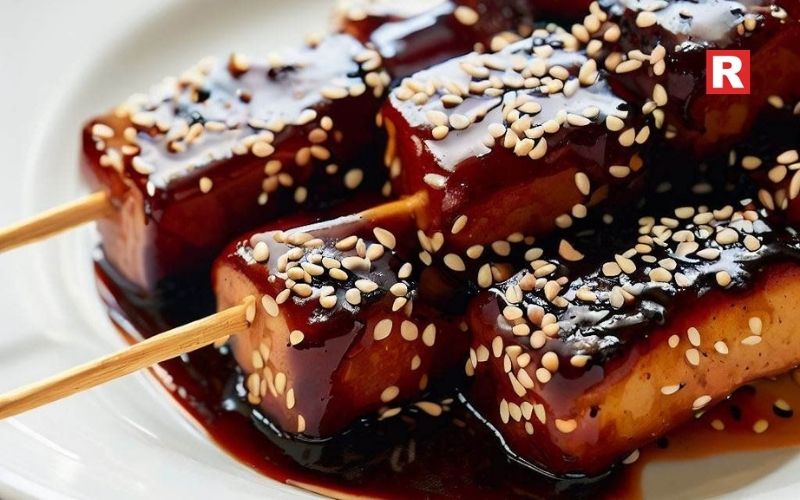
If you’re into grilling, then this dish is for you. Take paneer, marinate it in a glaze made from soy sauce, ginger, garlic, honey, and sesame, then grill it until it’s charred and sweet. Add peppers, mushrooms, and spring onions for crunch, and finish with a sprinkle of sesame seeds. Serve with a miso chutney or spicy mayo. This will make it a total flavor bomb.
6. Masala Onigiri
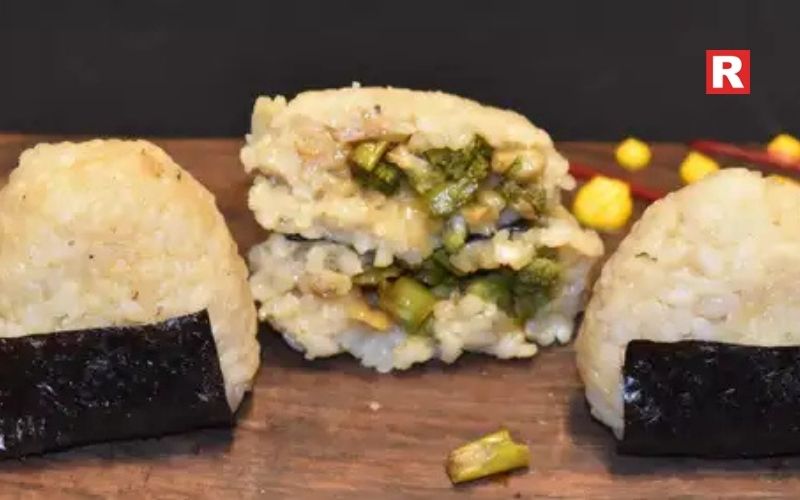
Onigiri is classic Japanese comfort food, but let’s give it an Indian remix. Fill these rice balls with spicy paneer bhurji, chicken keema, or aloo masala, then wrap them in nori. You get soft rice and the warmth of Indian spices. Each bite is soft, flavorful, and balanced. If you want to take it to another level, then mix a little garam masala into the rice or dip it in mint chutney. Here’s your Indo-Japanese style comfort food.
What's new: What is Kimchi? Top Veg Kimchi You Can Try at Home
7. Sushi Dosa
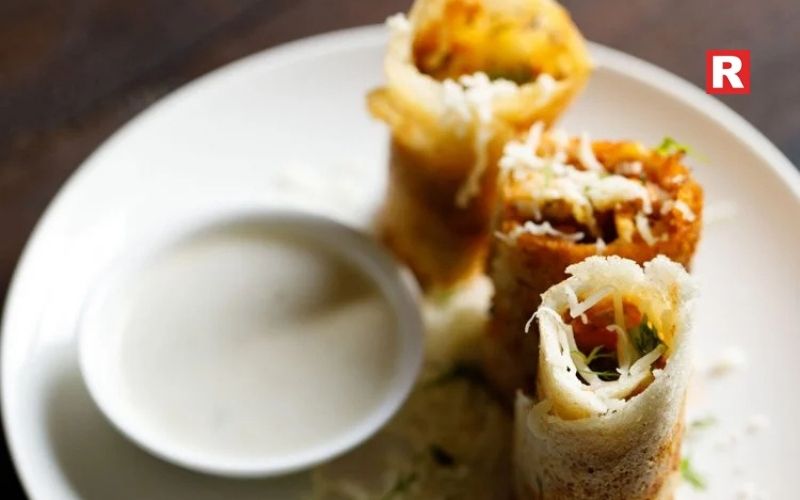
Sushi Dosa uses the simple South Indian dosa and changes it into something you never saw coming: a Japanese-inspired treat that’s as fun to look at as it is to eat. Imagine this: thin, crispy dosa rolled up around tangy pickled veggies, creamy avocado, wasabi mayo, maybe some tofu. Cut them up just like sushi, then dip them in soy sauce or even sambar. It’s light, fun to eat, and honestly, kind of irresistible. Making it perfect for brunch with friends or for showing off on Instagram. Why does it work? Both dosas and sushi use fermented batters and rice, so blending the two doesn’t feel illegal.
8. Tempura Pakoras
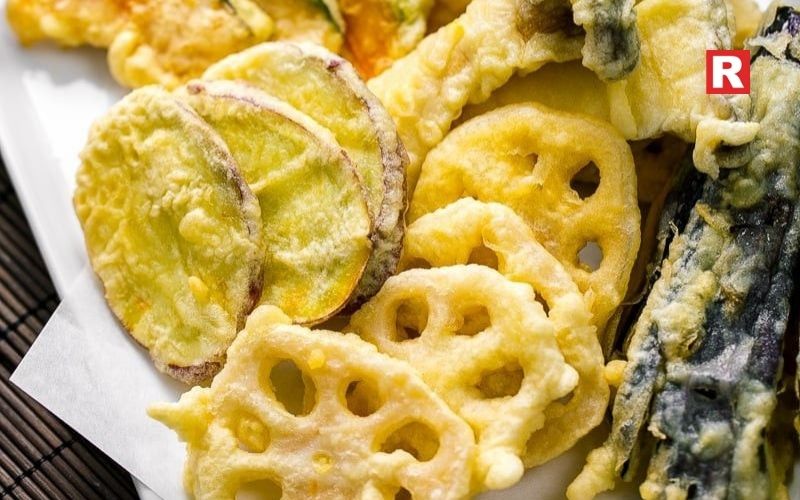
If you love pakoras and tempura, then this one’s for you. Tempura Pakoras swap the usual gram flour for tempura batter, turning classic Indian veggies like onion, spinach, and paneer into lighter, crispier bites. Serve them up with a soy-tamarind dip or a punchy wasabi chutney. One bite and you get this golden crunch that somehow manages to taste both familiar and brand new. To get the best taste, keep the batter ice-cold. That’s the Japanese trick for getting that airy, signature crisp.
9. Green Tea Kheer
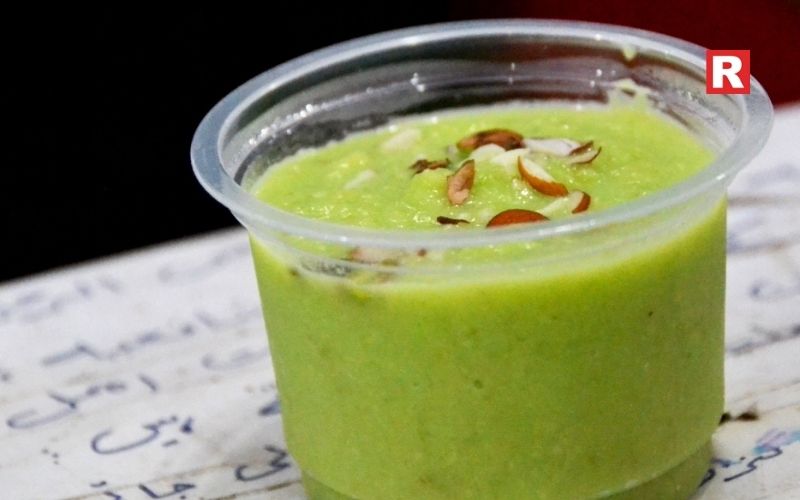
Desserts in this fusion game tend to be subtle and elegant, and Green Tea Kheer is the poster child for this. Take the classic Indian rice pudding, add some matcha powder, and you get something silky and a little earthy-sweet that stands out as a masterpiece. The matcha’s mild bitterness balances out the rich condensed milk and cardamom, making every spoonful feel both cozy and a little mysterious. If you want to make it extra special, then sprinkle some toasted almonds or sesame seeds on top for that nutty Japanese vibe.
Check out: 5 Veg Ramen You Can Try at Home
7 Korean Veg Dishes to Try on Your Next Visit
10. Wasabi Chaat
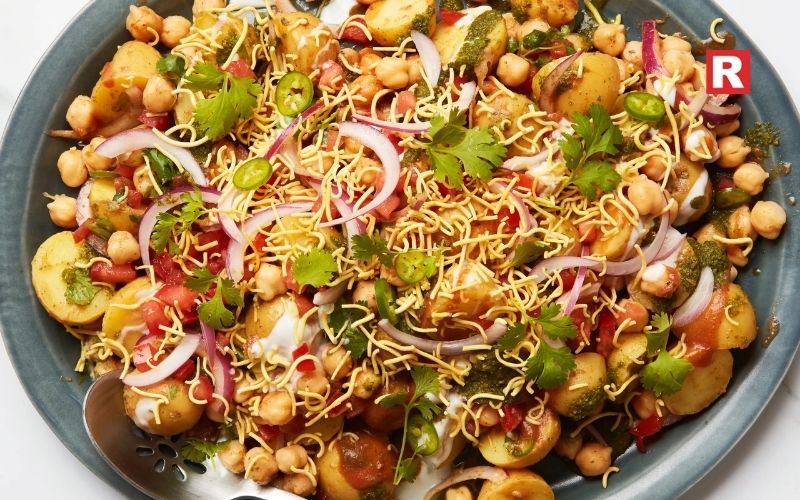
Wasabi Chaat is where Indian street food gets a wild, upscale twist. Think of all the usual chaat ingredients like aloo, bhel, and tangy chutneys, but now add wasabi peas, soy-glazed peanuts, and a dusting of seaweed flakes. The wasabi smacks you awake, the crunch keeps things interesting, and suddenly, you’re eating something you’ve never tasted before. It’s fiery, bold, and honestly, pretty unforgettable. If you’re in Delhi or Pune during a food festival, keep an eye out for fusion cafes that love to get creative.
Signature Ingredients That Make Indo-Japanese Fusion Work
The magic of Indo-Japanese fusion comes from clever pairings that just click.
- Garam Masala + Miso Paste: Deep, umami warmth.
- Paneer + Tofu: Soft, protein-rich goodness.
- Basmati Rice + Sushi Rice: Fragrant meets sticky.
- Ghee + Sesame Oil: Nutty, aromatic base.
- Tamarind + Soy Sauce: Sweet, salty, and tangy all at once.
Create Your Own Indo-Japanese Fusion at Home
- It all starts with balancing the ingredients. Blend strong Indian flavors with the gentle textures of Japanese cooking.
- Swap in your ingredients, try paneer instead of tofu, use soy sauce instead of salt, or give wasabi a chance where you’d usually go for green chili.
- Mix Indian classics like naan, curry, or samosas with a bit of Japanese flair. Like miso, tempura batter, or even sushi rice.
- Keep your plating simple and clean, just like the Japanese do. Let those colors and fresh ingredients stand out.
- For example, you can make a quick Miso Masala Stir-Fry, a Wasabi Paneer Wrap, or a Curry Ramen Bowl. These are easy, fun, and definitely not boring recipes.
Why Indo-Japanese Fusion Just Works
At first, Indian and Japanese food seem like total opposites: one’s all about bold flavors and layers, the other’s subtle and elegant. But if we take a closer look, they both share three big ideas.
- Respect for Ingredients: First, there’s huge respect for ingredients. Fresh veggies, spices, you name it; they both care deeply about quality.
- Balance of Flavors: Indian masalas and Japanese miso or soy all chase harmony and balance in flavor.
- Ritual and Mindfulness: Whether it’s a Japanese tea ceremony or an Indian thali, food is treated as an art, something to be savored and respected.
When these ideas come together, you get a fusion that actually makes sense. Meaning dishes that are new but still feel true to where they came from.
Learn more: 5 Markets in India Famous for Spices
The Magic of Fusion
Indo-Japanese fusion is more than just a food trend. It’s a story of two cultures sharing ideas and creativity. It proves that totally different flavors can actually work together, as long as you balance them with care.
Whether it’s tandoori sushi or green tea kheer, every dish mixes contrast with harmony, spice with subtlety, heat with umami, and old traditions with fresh ideas.
So next time you’re in the kitchen or out at a new spot, don’t be afraid to mix miso and masala. Sometimes, the best flavors happen when boundaries disappear.
Mahak Sharma
Content Writer
Mahak Sharma is a passionate content writer with 2 years of experience crafting compelling content across various niches, tailoring her writing to suit different audiences and platforms. She is dedicated to producing engaging content for readers so that they can understand and enjoy the articles. Her strengths lie in crafting SEO-friendly, well-structured articles that drive visibility and engagement.



































































































































































