
10 Indian Traditional Cuisines Every Food Lover Must Try Once in a Lifetime
Exploring India’s traditional cuisines is like taking a journey through time and taste. Each dish tells a story — one that belongs to farmers, royal families, and generations of home cooks.

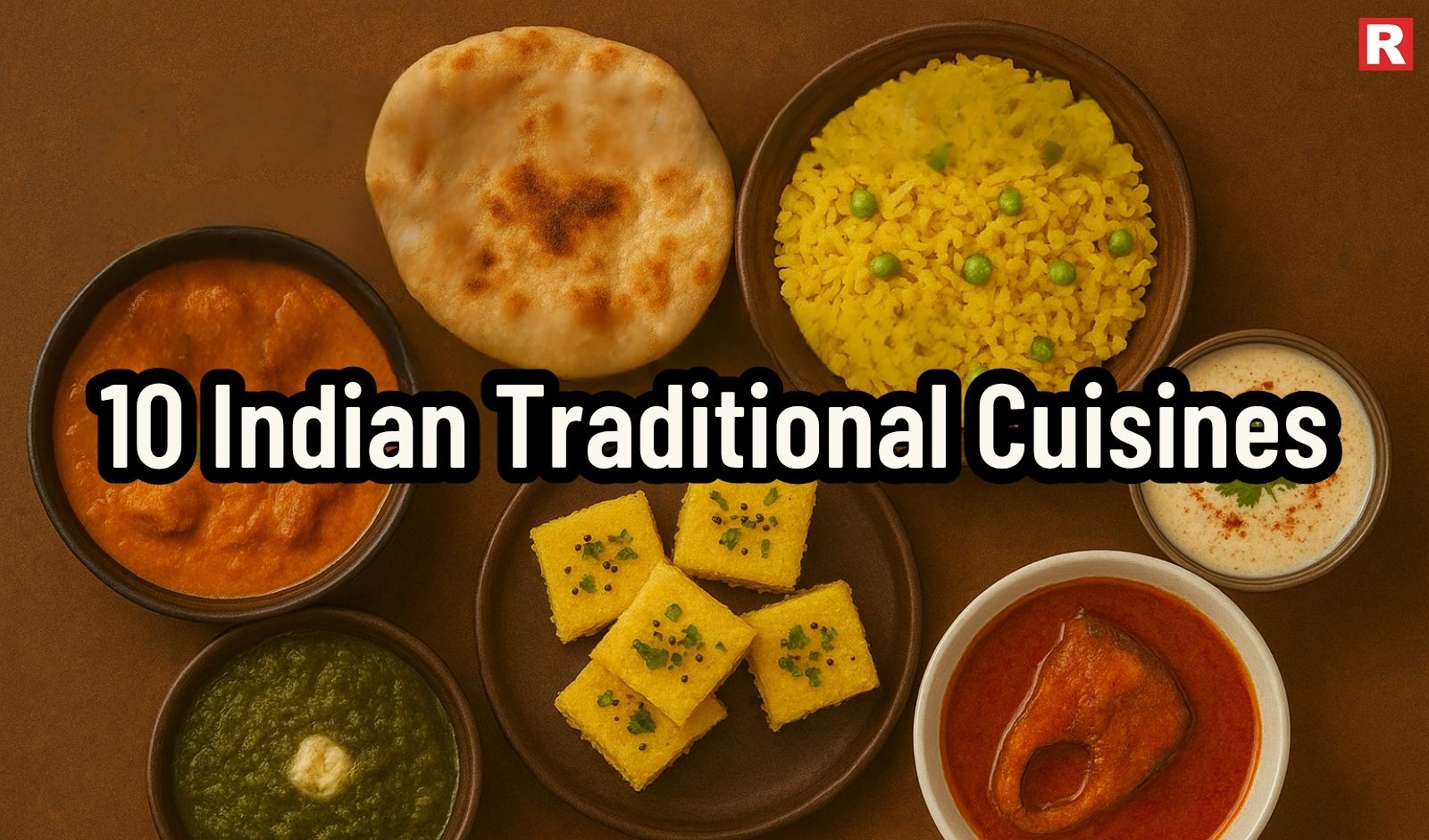
India’s food culture is as diverse and colourful as its people. Every corner of the country has its own flavours, ingredients, and cooking traditions. From the royal kitchens of the north to the spice gardens of the south, each region tells a story through its food. The creamy gravies of Punjab, the slow-cooked curries of Lucknow, and the coconut-rich dishes of Kerala show how geography shapes taste. In the west, Rajasthan’s dry yet rich meals reflect the desert’s resilience, while Bengal’s love for fish and sweets celebrates its rivers and farmlands. Indian cuisine is not only about spices; it is about balance, tradition, and comfort. Each recipe has been passed down through generations, carrying family secrets and memories. Food brings people together during festivals, prayers, and celebrations. For any food lover, exploring India’s traditional cuisines is like travelling through time. Every meal tells a story of culture, love, and connection.
Here’s a look at 10 Indian Traditional Cuisines
1. Punjabi Cuisine – The Land of Bold Flavours
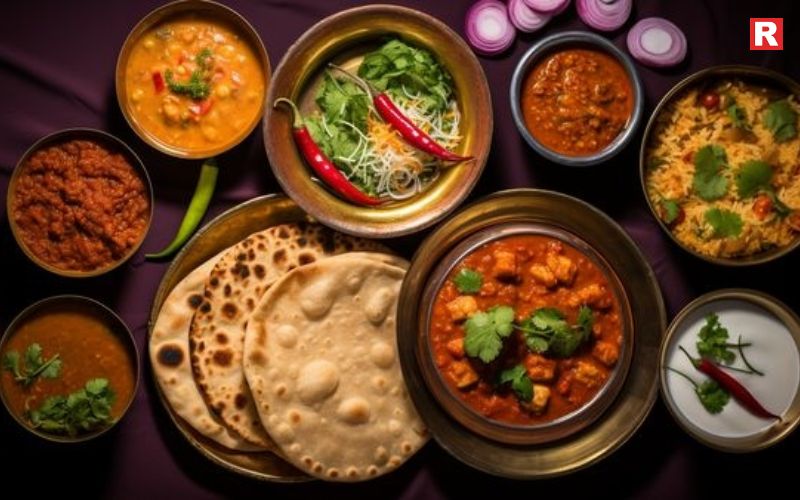
Punjab is known for food that’s rich, hearty, and full of life. Every meal feels like a celebration. Butter chicken, dal makhani, and tandoori roti are iconic dishes loved across India. The smoky aroma from the tandoor and the creamy texture of gravies define Punjabi food. Sarson da saag with makki di roti and a glass of lassi bring the true taste of Punjab’s farmlands to the table. The cuisine reflects the hardworking spirit of its people and their deep love for wholesome, filling meals.
2. Rajasthani Cuisine – Royal and Rustic
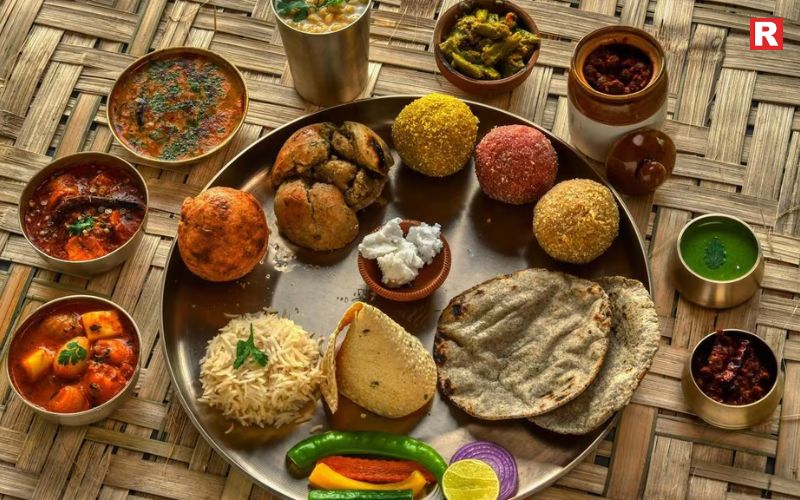
Rajasthan’s cuisine tells a story of desert living and royal indulgence. Dal baati churma, gatte ki sabzi, and laal maas are among its most famous dishes. Due to the scarcity of water and vegetables, Rajasthani food is prepared with minimal ingredients but full of flavour. The generous use of ghee, dry spices, and grains makes it both rich and earthy. Dishes like ker sangri and papad ki sabzi show how creativity turns simplicity into culinary excellence. Every bite connects to the state’s royal kitchens and vibrant culture.
Read more: 8 Famous Vegetarian Dishes of Uttar Pradesh and Their Timeless Legacy
5 Cities That Serve the Best Non-Vegetarian Street Food
3. Bengali Cuisine – A Symphony of Sweet and Savoury
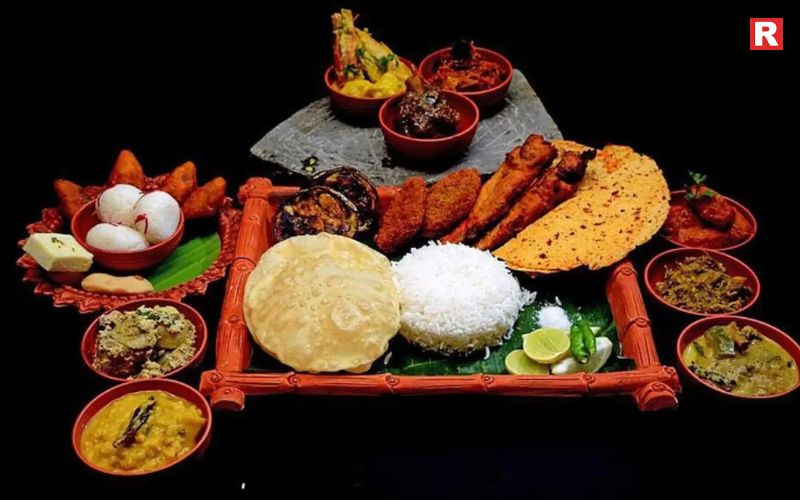
Bengal’s food culture is deeply emotional. It balances spices and sweetness beautifully. Fish is central to Bengali meals — dishes like macher jhol and shorshe ilish are local favourites. Mustard oil and panch phoron (a five-spice blend) give the cuisine its distinct aroma. No Bengali meal is complete without sweets. From rasgulla to mishti doi and sandesh, desserts play a big role in every celebration. Bengali food captures warmth, nostalgia, and the joy of comfort food.
4. South Indian Cuisine – The Balance of Spice and Simplicity
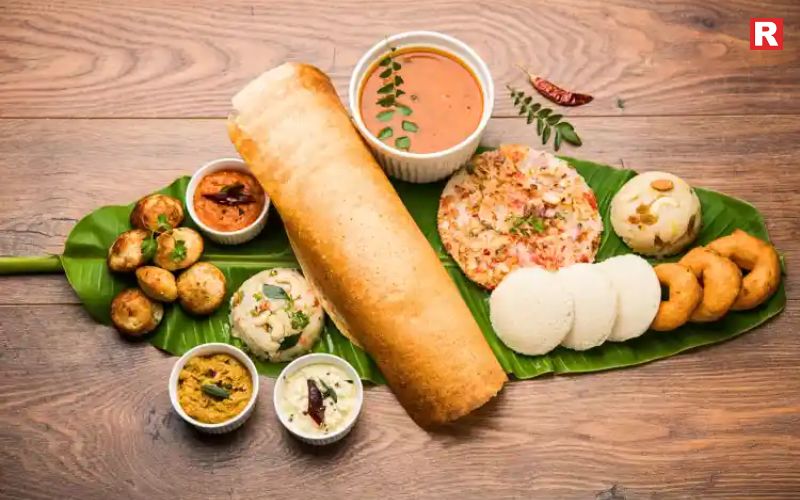
South India offers a perfect mix of nutrition and flavour. Each state — Tamil Nadu, Kerala, Karnataka, Andhra Pradesh, and Telangana — brings something unique. Idli, dosa, vada, and sambhar are staples that are now popular worldwide. The use of coconut, curry leaves, tamarind, and rice defines the region’s cooking style. Kerala’s appam with stew and Andhra’s spicy gongura chutney are perfect examples of how regional variations make South Indian cuisine so diverse. It’s light, wholesome, and packed with natural ingredients.
5. Gujarati Cuisine – Sweet, Spicy, and Soulful
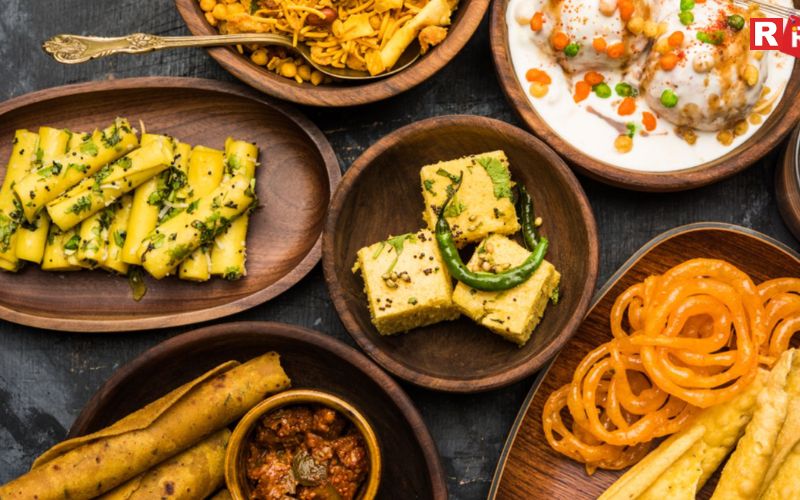
Gujarati food is full of variety and balance. Every dish has a blend of sweet, tangy, and spicy notes. Dhokla, thepla, undhiyu, and kadhi are favourites in homes and thalis. The cuisine uses ingredients like gram flour, yogurt, and lentils to create nutritious, flavourful dishes. Influenced by Jain and Vaishnav traditions, Gujarati cuisine often avoids onion and garlic, focusing on purity and simplicity. Whether it’s the festive fafda-jalebi or a humble khichdi, every meal feels like home.
Know more: 10 Awadhi Cuisine Classics You Must Try at Least Once
6. Kashmiri Cuisine – The Flavour of the Valley
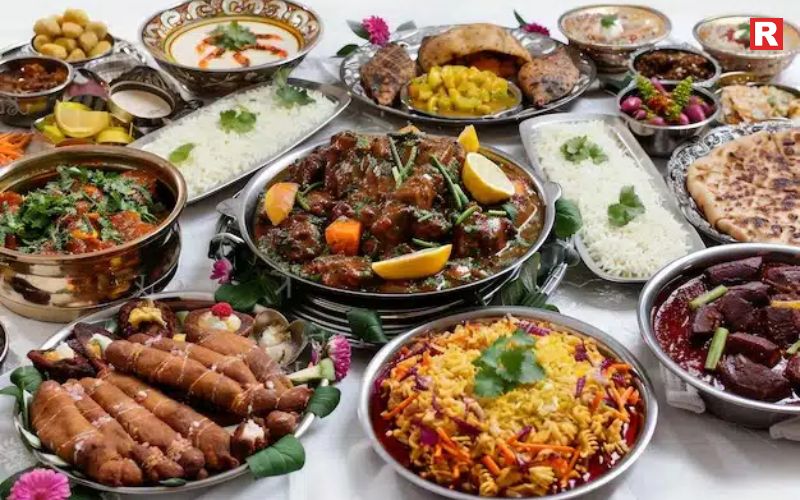
Kashmiri food is known for its rich aroma, use of saffron, and slow-cooked gravies. Dishes like Rogan Josh, Yakhni, Gushtaba, and Dum Aloo are part of the famous Wazwan — a traditional multi-course Kashmiri feast. The cuisine reflects Persian and Central Asian influences, yet remains deeply rooted in local traditions. Dry fruits, curd-based gravies, and the warmth of spices like cardamom and cinnamon make every dish comforting. Kashmiri cuisine truly represents elegance, patience, and artistry on a plate.
7. Goan Cuisine – The Taste of the Coast
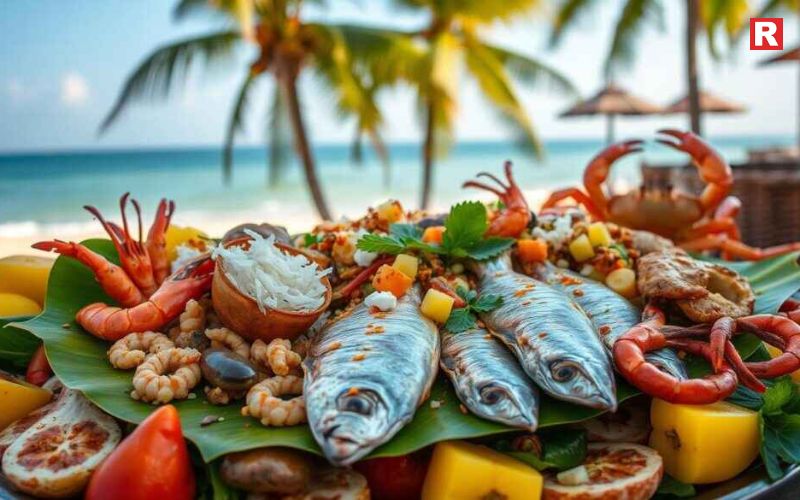
Goan cuisine blends Indian and Portuguese influences beautifully. Known for its seafood, coconut milk, and vinegar-based curries, the food here bursts with tropical flavours. Goan fish curry, prawn balchão, and vindaloo are popular dishes that reflect the state’s coastal identity. The sweet dish bebinca, made with coconut milk and jaggery, is a must-try. Spices like kokum and tamarind add a tangy twist to Goan food. Every meal feels like a vacation by the sea — refreshing, bold, and unforgettable.
8. Maharashtrian Cuisine – A Burst of Regional Variety
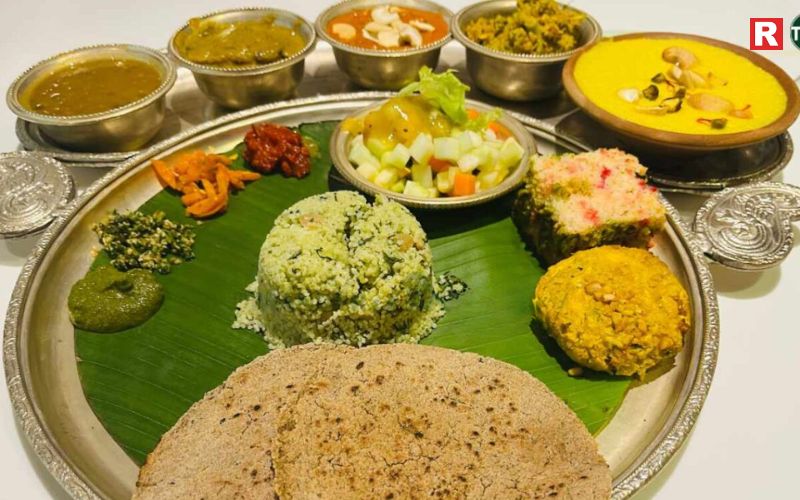
Maharashtra’s cuisine changes with every region. In western Maharashtra, Kolhapuri dishes are fiery and rich. Coastal Konkan food uses coconut, kokum, and seafood. Central regions offer comfort foods like varan bhaat (dal and rice) and poha. Mumbai adds its own street-style magic with pav bhaji, vada pav, and misal pav. Each dish carries a story — from local farms to bustling city streets. Maharashtrian food is a blend of spice, tang, and everyday comfort.
Also check: Top 5 States With the Spiciest Food in India
9. Awadhi Cuisine – The Nawabi Indulgence
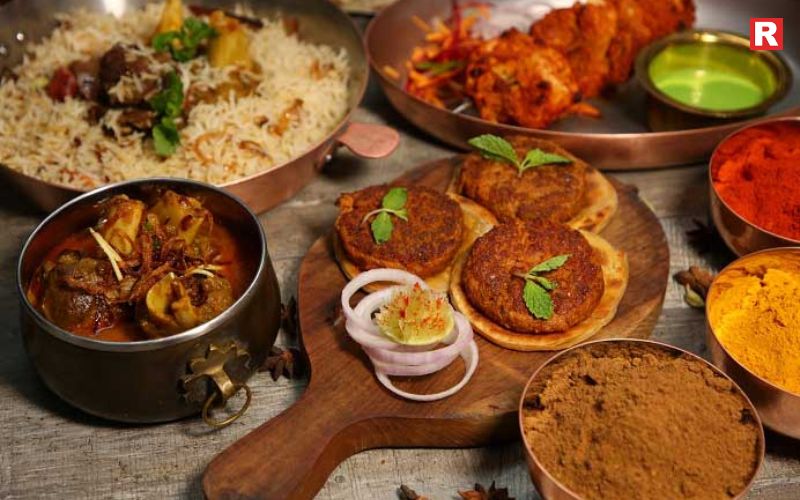
Lucknow’s Awadhi cuisine is a royal affair. Known for its biryanis, kebabs, kormas, and koftas, it represents slow-cooked perfection. The dum pukht technique — cooking in sealed pots over a low flame — was developed in Awadh’s royal kitchens. Dishes like galouti kebab, nihari, and shahi tukda are loved across India. Every preparation reflects patience, precision, and grandeur. Awadhi food celebrates the Nawabi era’s luxurious approach to taste and texture.
10. Assamese Cuisine – The Flavours of the East
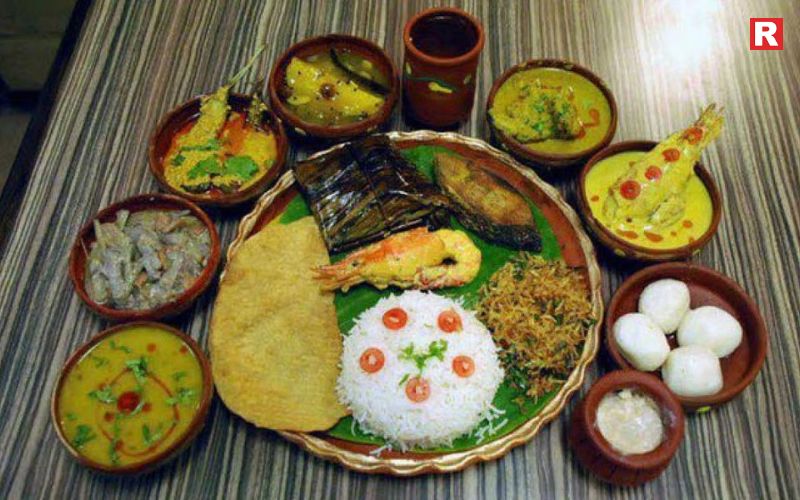
Assamese food is subtle, aromatic, and connected to nature. The cuisine focuses on fresh herbs, bamboo shoots, mustard, and fermented ingredients. Fish tenga (a tangy fish curry) and khar (a traditional alkaline dish) are unique to the region. Meals are simple yet deeply satisfying, often accompanied by rice and green vegetables. The influence of tribal and neighbouring cuisines adds depth to Assamese dishes. It’s a cuisine that respects both simplicity and sustainability.
Why Indian Traditional Cuisines Stand Out
Indian cuisines are built on fresh, local ingredients and age-old techniques. From tandoor grilling to steaming and fermenting, the cooking styles vary widely. Each region adapts its food to climate and culture — using millets in dry areas, rice in coastal zones, and spices suited to local produce. The use of ghee, turmeric, herbs, and lentils also makes Indian food nutritious and healing. Every cuisine carries generations of wisdom, passed down through family recipes.
Food in India goes beyond taste — it connects to religion, festivals, and emotions. Dishes like pongal, modak, and puran poli are tied to celebrations. Fasting meals such as sabudana khichdi and thalipeeth have spiritual meanings. Even daily meals are shaped by culture and geography. Traditional Indian cuisines unite people through shared meals, traditions, and memories. They preserve India’s culinary heritage in the most delicious way possible.
Check more: 10 Must-Try Gujarati Dishes That Will Delight Your Taste Buds
Top 7 Regional Indian Thali Platters That Showcase Culinary Diversity
10 Different Types of South Indian Rice Dishes
Taste of India
Exploring India’s traditional cuisines is like taking a journey through time and taste. Each dish tells a story — one that belongs to farmers, royal families, and generations of home cooks. From the bold, buttery flavours of Punjab to the gentle, coconut-rich meals of Kerala, every region adds its own charm to India’s food culture. The spices, ingredients, and cooking styles change with geography, but the love for good food remains the same. Every bite reflects history, tradition, and warmth. For every food lover, India is more than just a destination — it’s a never-ending table of flavours, stories, and emotions. From royal feasts to humble thalis, Indian cuisine celebrates diversity on every plate. It connects people through shared memories, festive meals, and the joy of eating together. In every dish, India serves a piece of its heart and heritage.
Saptopriya Ghosal
Feature Writer
I am a dedicated media professional with a bachelor's degree in mass communication from the State University of Calcutta and a postgraduate degree from Amity University. My academic journey has equipped me with a profound understanding of storytelling and communication. Passionate about the dynamic world of media, I continually strive to explore new ways to engage and inform through compelling narratives.



































































































































































