
10 Healthy 20-Gram Protein Breakfast Recipes
You've felt the void in your usual breakfast if you've ever had the mid-morning slump, that abrupt drop in energy about 11 AM that makes you go for the closest package of biscuits. Protein is the key to overcoming your slump and getting through the day.

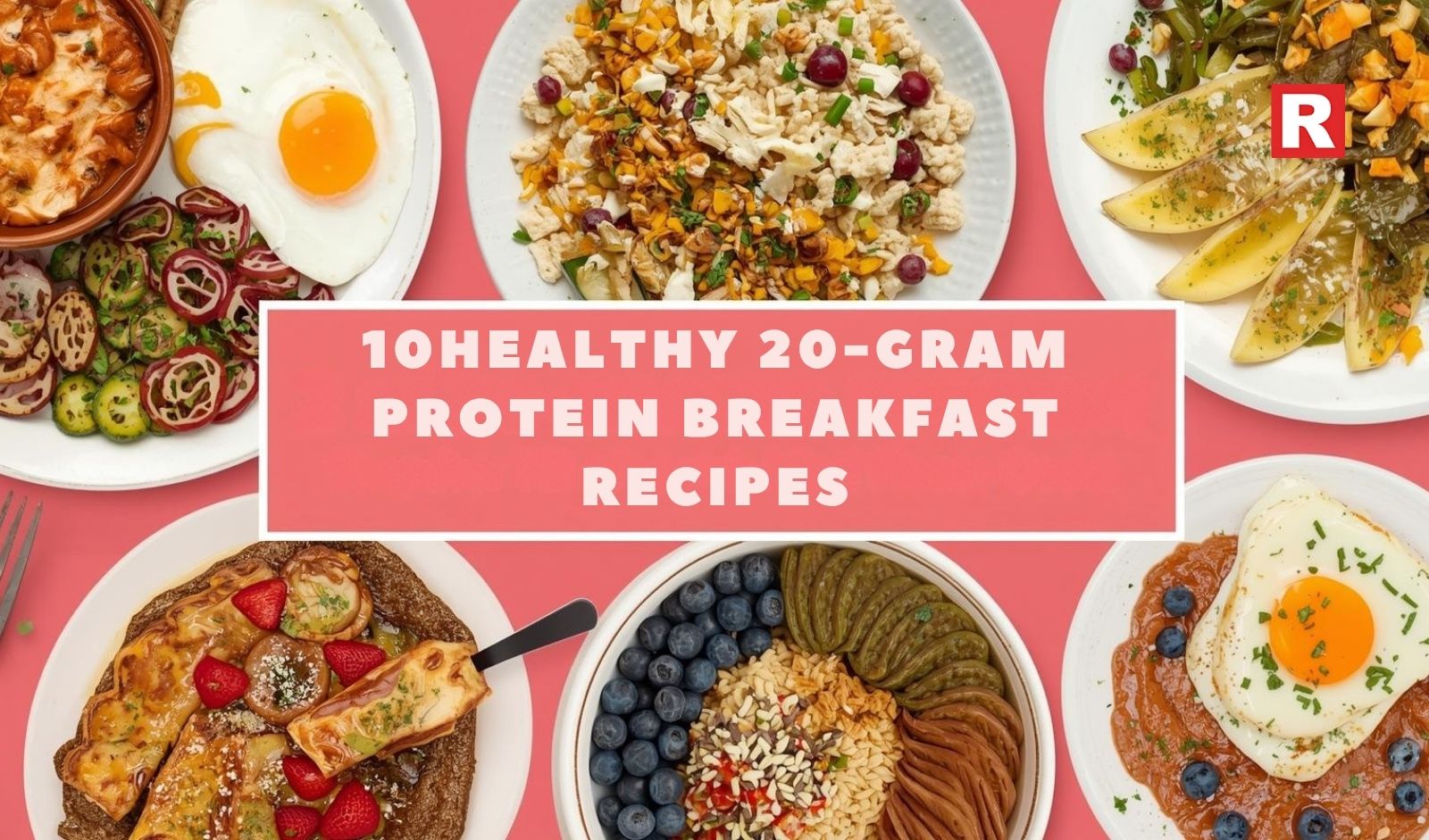
In India, the morning is a symphony of rush-hour hustle, including the boiling of chai, the rustling of newspapers, and the incessant question, What will you have for breakfast today? Our breakfast has been a hearty but frequently high-carbohydrate meal for decades: soft Idli, fluffy Poha, or the eternally popular Aloo Paratha. They are certainly delicious, but do they actually prepare us for a full day of hard work, errands, and staying up to date with the times?
You've felt the void in your usual breakfast if you've ever had the mid-morning slump, that abrupt drop in energy about 11 AM that makes you go for the closest package of biscuits. Protein is the key to overcoming your slump and getting through the day.
Welcome to the Revolution of 20 Grams. This isn't simply another diet trend; it's a calculated move to make sure your first meal is powerful enough to keep you alert, concentrated, and full until lunch. Your body requires twenty grams of high-quality protein to balance blood sugar, stimulate muscle creation, and keep those annoying hunger hormones in check.
Read more: 10 High-Protein, Low-Calorie Foods to Conquer Cravings
The Sweet Spot: Why 20 Grams of Protein Matters
Your energy, attitude, and level of hunger for the next few hours are mostly determined by your first meal of the day. Even while traditional Indian breakfasts are healthy, many of them are low in protein and high in fiber.
The Benefits of 20g:
- Satiety Master: You feel fuller for longer since protein takes longer to digest than carbs. This is essential for controlling weight and preventing pointless munching.
- Blood Sugar Stabilizer: It reduces the rate at which glucose from your food is absorbed, avoiding the sudden increases in blood sugar and subsequent crashes that cause the common "food coma."
- Metabolic Boost: Thermic Effect of Food: Protein causes your body to burn more calories while processing than fats or carbohydrates, which gives your metabolism a little boost from the very start.
The days of using only sooji (semolina) and maida (refined flour) are over. Let's embrace our amazing variety of dals (lentils), besan (gram flour), paneer (cottage cheese), and sattu (roasted gram flour), which are the real powerhouses of the Indian kitchen.
10 Healthy Breakfast Recipes With 20-Gram Protein
These ten revolutionary dishes are tailored to the Indian palate and are made to meet the crucial 20-gram protein requirement.
1. Stuffed Paneer Moong Dal Chilla
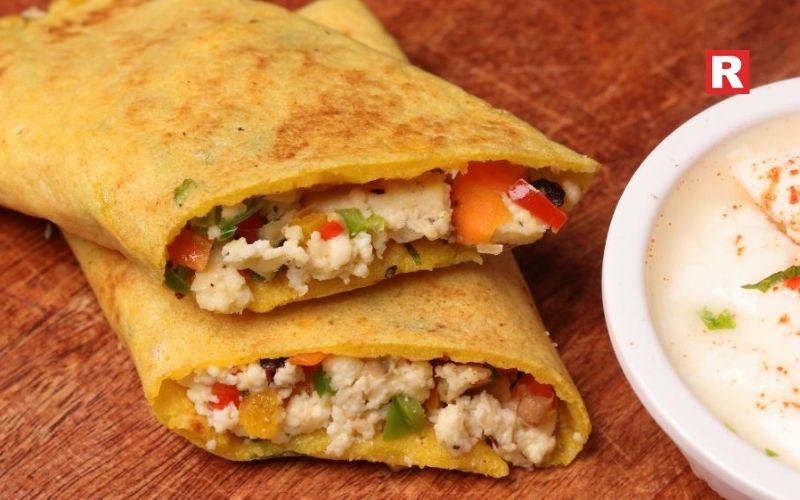
This is the traditional high-protein breakfast in India. Yellow moong dal pancakes are naturally high in protein, but we boost their flavor with a creamy, savory filling.
The Protein Content: A substantial amount of crumbled paneer (cottage cheese) is mixed with the moong dal foundation.
20g of Boost Serving: A side of low-fat Greek yogurt (dahi) and two medium-sized chillas filled with around 50g of crumbled paneer bhurji.
2. Sprouted Moong & Oats Cheela
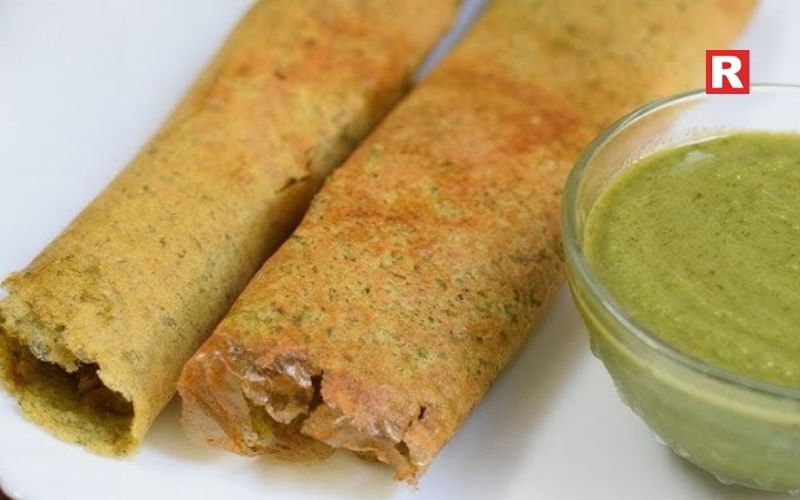
An amazing blend of North Indian and South Indian cooking techniques. The moong's nutritional content and digestibility are significantly increased by sprouting, and the addition of oats provides heart-healthy advantages and fiber.
The Protein Content: A batter prepared from crushed sprouted moong, quick oats, and a few spoonfuls of besan (chickpea flour) is the protein Content.
20g of Boost Serving: Two medium cheelas are served with low-fat masala chaas or a dollop of high-protein peanut chutney made with roasted peanuts and chana dal.
3. Masala Tofu Bhurji and Multigrain Toast
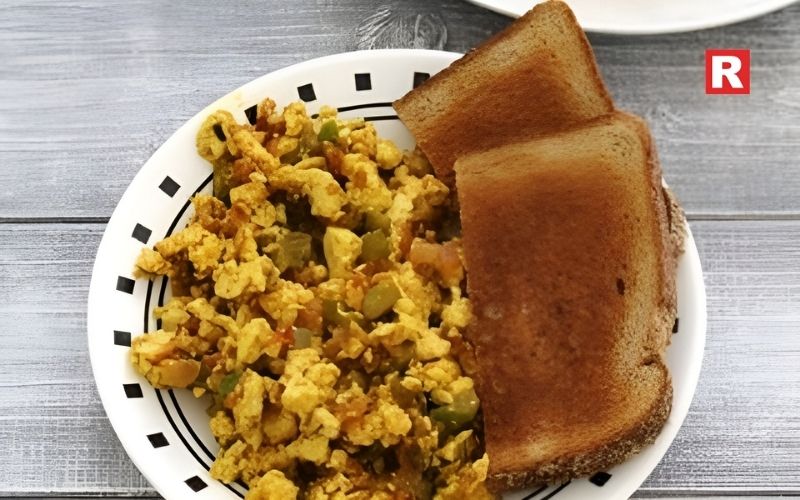
This is the best vegetarian version of andaa bhurji. A powerful source of plant-based protein, tofu is extremely fulfilling when prepared with traditional Indian spices like turmeric, tomatoes, onions, and a touch of ginger.
The Protein Content: About 15–18 grams of protein may be obtained from a significant amount (about 100g) of crumbled firm tofu.
20g of Boost Serving: One piece of toasted multigrain bread with a spread of sunflower seed butter or another dusting of roasted chana (dal-moth) is served with a generous portion of Tofu Bhurji.
Know more: How to Make a Healthy Dessert With Just 5 Ingredients
4. Sattu Paratha with Hung Curd Raita
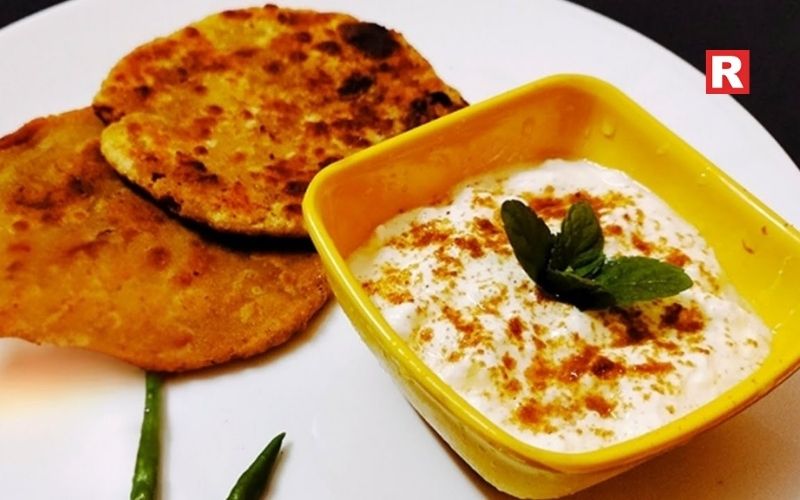
A Bihari superfood worthy of a national platform. One of the densest plant proteins in Indian cuisine is sattu, or roasted black gram flour, which is also quite light and cooling for the stomach.
The Protein Content: The paratha filling's remarkable protein-to-carb ratio is achieved by using just spiced sattu flour.
20g Boost Serving: A 20g serving consists of two tiny Sattu Parathas with little to no ghee and a 100g bowl of thick Hung Curd Raita (mixed with finely chopped cucumber, rock salt, and mint).
5. Quinoa & Dal Upma with Peanuts
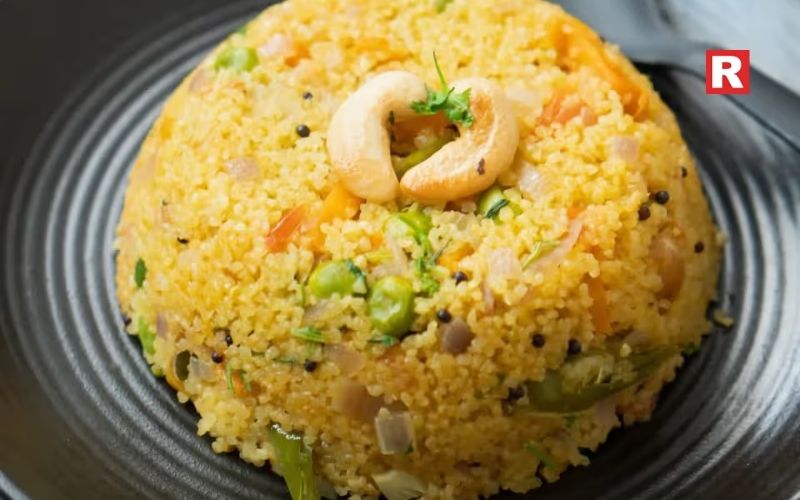
A modern version of Upma that uses the powerful quinoa in place of semolina (sooji). This meal is both familiar and innovative, since it is prepared with a classic South Indian tempering of curry leaves and mustard seeds.
The Protein Content: Quinoa is a complete protein, and the addition of precooked, finely chopped masoor dal (red lentils) and a heaping handful of roasted peanuts enhances its protein value.
20g of Boost Serving: Quinoa Upma in a big dish with 1/4 cup cooked masoor dal and 1/2 cup dry quinoa, garnished with 2 tablespoons of crushed, toasted peanuts.
What's new: Power-Packed & Plant-Based: Top Vegan High-Protein Foods Trending Today
6. High-Protein Peanut Butter & Banana Smoothie
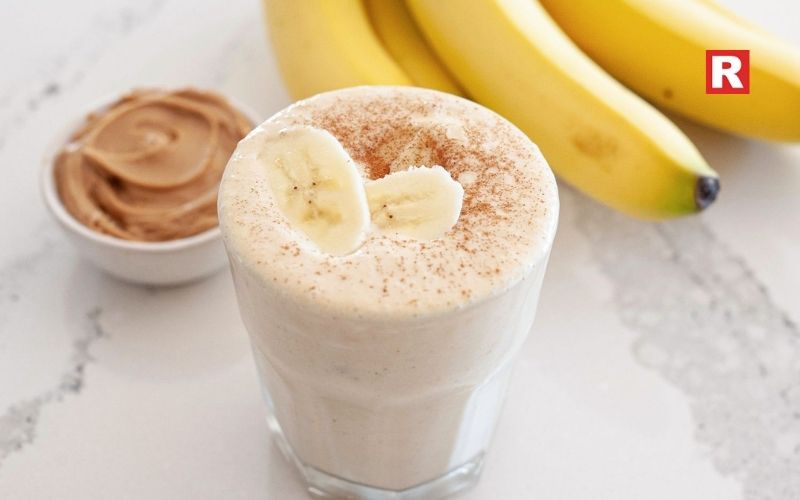
This smoothie is an essential option when you just don't have time to cook. All the necessary macros are provided in a delicious glass with this simple, no-cook option.
The Protein Content: A mixture of low-fat milk (or soy/almond milk), a scoop of vanilla or unflavored whey/plant-based protein powder, and a big spoonful of natural peanut butter.
20g of Boost Serving size: 1/2 banana, 1 tablespoon chia seeds, 1/2 scoop protein powder, 1 cup milk, and 2 teaspoons natural peanut butter. Adjust the amount of protein powder to 20g.
7. Spiced Greek Yogurt Bowl (Dahi)
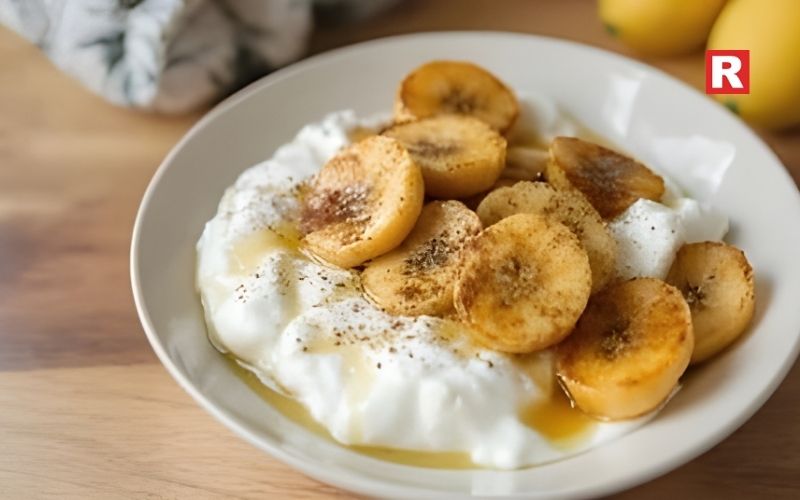
It's the easiest option. Greek yogurt, also known as Chakka, is made by straining traditional Indian curd (dahi) to eliminate extra water. This type of yogurt has more than double the protein content of ordinary curd.
The Protein Content: The milk solids are concentrated during the straining process, producing a thick, high-protein yogurt.
20g Boost Serving: 150g of plain Greek yogurt that has been seasoned with roasted cumin powder (jeera), a teaspoon of black salt (kala namak), and two tablespoons of mixed seeds (sunflower, flax, and pumpkin).
8. Rajma (Kidney Bean) Tikki with Mint Chutney
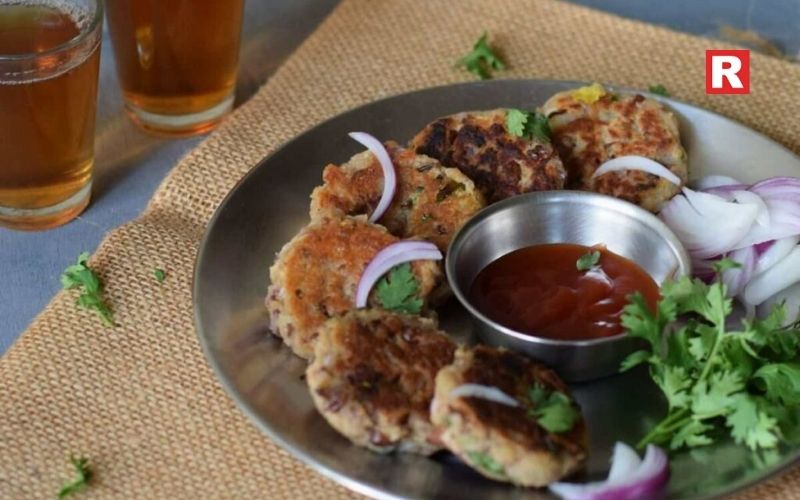
It gives your leftover kidney beans, or rajma, a makeover. Because kidney beans are a great source of fiber and plant-based protein, these tikkis are quite satisfying.
The Protein Content: Mashed, precooked Rajma, a fantastic source of protein, is used to make the complete tikki patty. Use of a binding agent, such as oats or besan, is essential.
20g of Boost Serving: Three medium-sized Rajma Tikkis that have been pan-fried rather than deep-fried are served with a refreshing yogurt chutney that is rich with pudina (mint).
9. Savory Soya Granule Dalia Khichdi
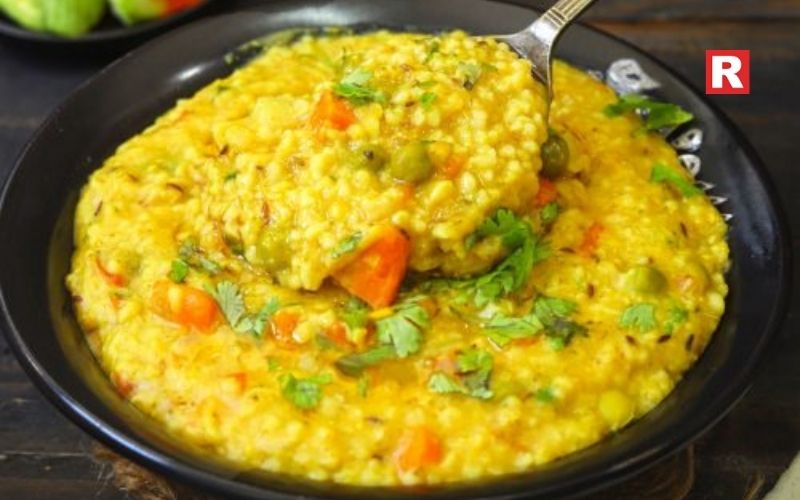
A popular comfort food, dalia (broken wheat), has an okay protein level, but it is not healthy. The hidden star of the Indian diet, soy granules, elevates this simple dish to a powerful supper.
The Protein Content: Soya Chunks or Granules (also called Nutri) significantly boost the protein content, completing the meal.
20g of Boost Serving: A big bowl of flavorful Dalia Khichdi with chaas or curd on the side, made with 1/2 cup dalia and 25g of soaked, boiled, and crushed soy granules.
Check out: 7 Easy Rice Paper Recipes for Quick & Healthy Meals
14 High-Protein Vegetarian Breakfasts That Keep You Full for Hours
10. Adai (Mixed Lentil Dosa) with Roasted Chana Dal Powder
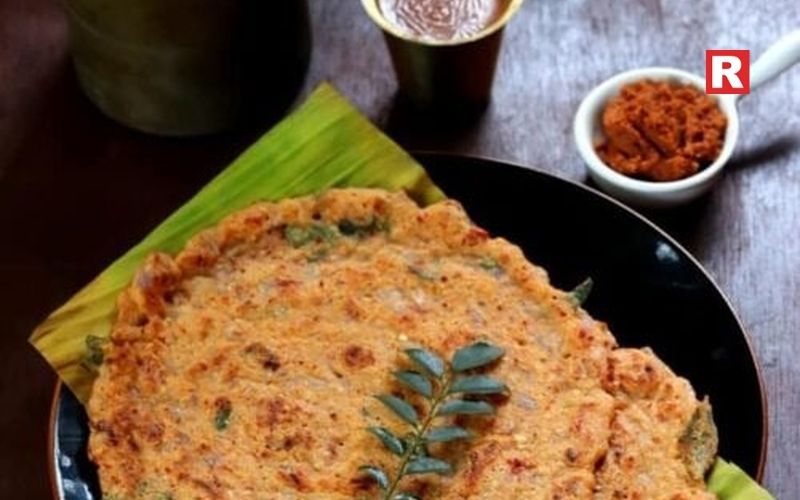
Made with a mixture of lentils such as chana dal, toor dal, and moong dal, adai is already one of the most protein-dense South Indian breakfasts. We are incorporating an additional layer of crunch and protein to this wonderful dish.
The Protein Content: The whole amino acid profile is provided by the multi-lentil base, which is the protein source. We sprinkle a dry, high-protein powder on top.
20g of Boost Serving: Two medium-sized Adai Dosas with a side of coconut-peanut chutney and a dusting of Roasted Chana Dal Powder (Pottukadalai Podi or Putnala Pappu Podi).
Pro-Tips for a Protein-Rich Indian Kitchen
It is not necessary to spend an hour in the kitchen every morning to make the switch to a high-protein breakfast. Batch preparation is where the Indian creativity comes in handy. Make the most of the weekend to simplify your weekday mornings:
- The Batter Bank: Make big quantities of Adai or Moong Dal batter, then soak and grind them. You may keep it in the refrigerator for up to three days. Just a tawa away is a fresh, high-protein chilla.
- Bhurji base: For your paneer or tofu bhurji, chop and sauté a lot of the onion-tomato masala foundation. Put it in the fridge. Just toss in the crushed protein in the morning.
- The Protein Sprinkler: Have a jar of 'Protein Podi' on hand, which is a blend of dried curry leaves, flax seeds, peanuts, and roasted chana dal. To add 3–4 grams of protein to your upma, idli, or poha, sprinkle a tablespoon on top.
- Sprouting Power: To sprout, soak moong or chana for the entire night and put them in a moist towel. Because of this, they cook more quickly, are easier to digest, and have more protein in them.
- Measure Your Units: Measure out your protein sources (such as 25g soy pieces or 50g paneer) using a little kitchen scale. This guarantees that you will always reach your 20-gram goal.
Learn more: 10 vegetarian foods that are healthy and suitable for Fasting
The Next Morning Starts Now
Changing our attention to a breakfast that is high in protein is the most considerate thing we can do for our health in a nation where food is associated with love, tradition, and comfort. Your favorite Indian flavors don't need to be sacrificed in the process. All you have to do is enhance the right components.
Accept the change of 20 grams. It's a tasty, well-known, and efficient method to nourish your body, maintain your energy levels, and provide each morning a new, energizing start. Tomorrow, try one of these recipes and see the impact that a well-balanced Indian breakfast can have.
Disclaimer: This article is intended for general informational purposes only and should not be considered a substitute for professional medical advice, diagnosis, or treatment. Readers are advised to consult a qualified healthcare professional before making any dietary, health, or lifestyle changes.
Mahak Sharma
Content Writer
Mahak Sharma is a passionate content writer with 2 years of experience crafting compelling content across various niches, tailoring her writing to suit different audiences and platforms. She is dedicated to producing engaging content for readers so that they can understand and enjoy the articles. Her strengths lie in crafting SEO-friendly, well-structured articles that drive visibility and engagement.



































































































































































