
10 Foods That Taste Completely Different Depending on the Cooking Vessel Used
Sometimes, recreating an authentic taste isn't about changing the ingredients—it's simply about cooking the dish in the vessel it was meant for.

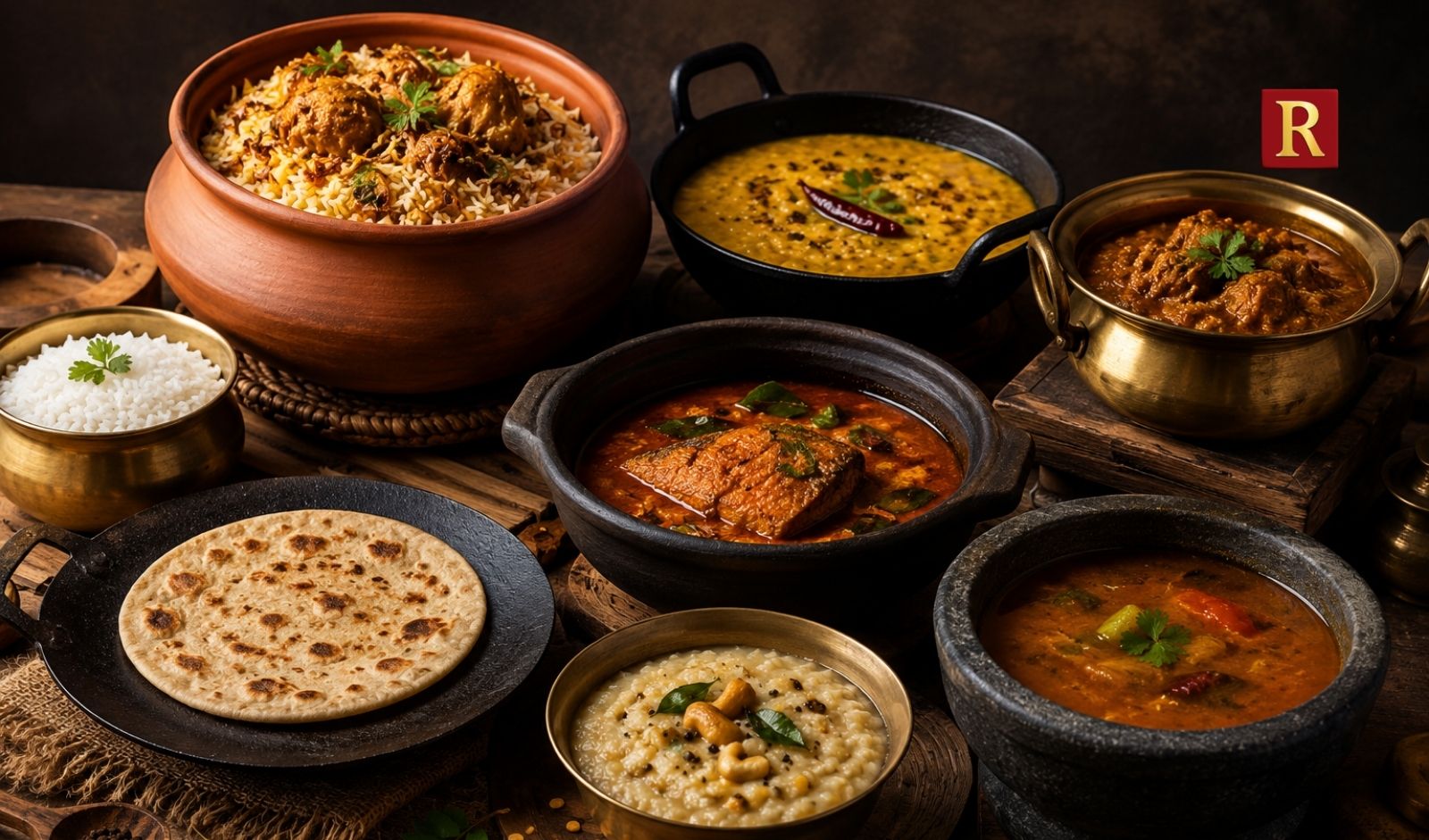
A good recipe is important, but the vessel you cook it in matters too. The same ingredients can taste different when prepared in clay pots, cast iron pans, soapstone cookware, or brass handis. This is because every material heats differently, retains moisture in its own way, and affects the texture and flavour of food.
Traditional Indian kitchens have known this for centuries. Many regional dishes were created for specific cookware because the vessel itself contributes to the final taste of the dish. Today, chefs and home cooks are rediscovering these cooking methods not just for nostalgia but also for better flavour and cooking performance. Here are 10 foods that genuinely taste different depending on the cooking vessel used.
Why Cooking Vessels Change the Taste of Food
Before looking at the foods, it helps to understand why cookware matters.
Different materials have different properties:
- Clay heats slowly and retains moisture.
- Cast iron retains heat for a long time.
- Brass conducts heat quickly and evenly.
- Soapstone provides gentle and consistent cooking.
- Heavy-bottomed cookware improves slow cooking and flavour development.
Food scientists often explain flavour development through factors such as heat retention, caramelisation, steam circulation, and moisture control. Even professional kitchens carefully select cookware for particular dishes because it influences texture and aroma.
10 Foods That Taste Different Depending on the Cooking Vessel
1. Biryani Tastes Better in a Clay Handi
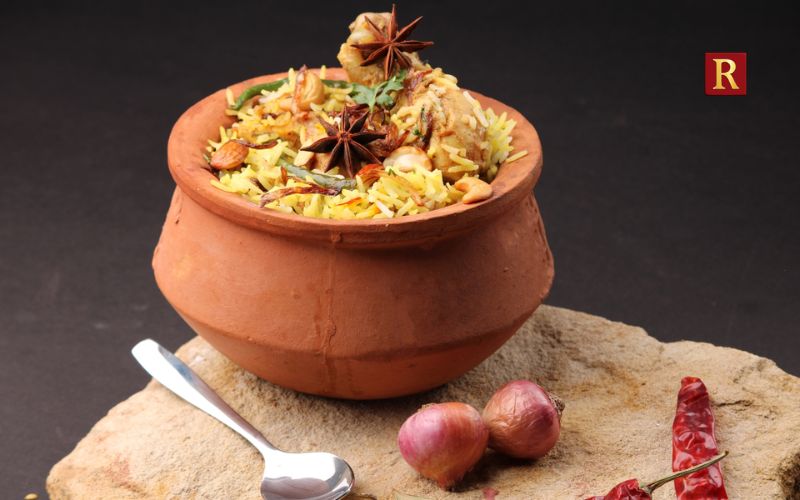
If you've ever wondered why restaurant-style dum biryani tastes richer, the answer is often the cooking vessel. Clay handis allow slow cooking. The steam remains trapped inside the vessel and gradually cooks the rice and meat together. This process helps the spices penetrate every grain of rice. Traditional dum biryani cooking can take anywhere between 45 minutes and two hours, depending on the recipe. Slow cooking also allows saffron, fried onions, and whole spices to release their flavours naturally. A pressure cooker may save time, but it cannot recreate the same aroma and texture that a clay handi offers.
2. Dal Develops a Richer Flavour in Cast Iron
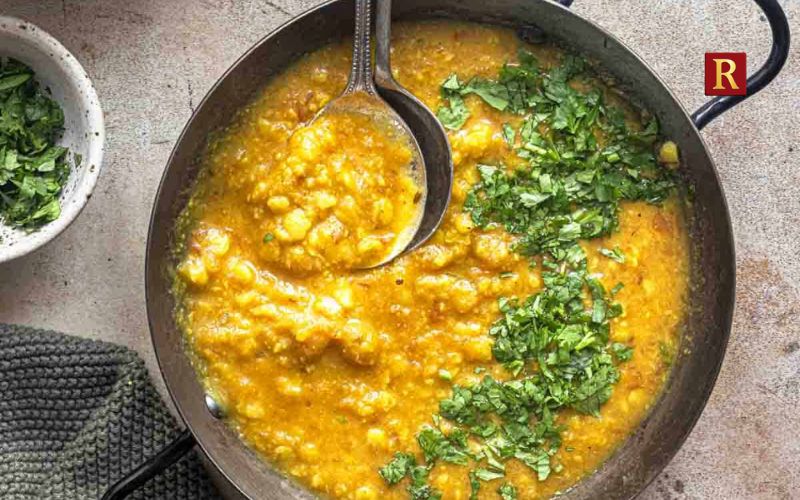
Dal may look simple, but the cookware makes a noticeable difference. Cast iron retains heat exceptionally well. This allows the tempering of spices like cumin, garlic, and dried chillies to become more aromatic before being added to the dal. One interesting benefit of cooking in cast iron is that small amounts of dietary iron may transfer to food during cooking. Several studies have shown that iron cookware can contribute to increased iron levels in prepared foods. Slow-cooked dal in cast iron also develops a fuller and slightly smoky flavour that many home cooks prefer.
3. Rice Becomes More Aromatic in Earthen Pots
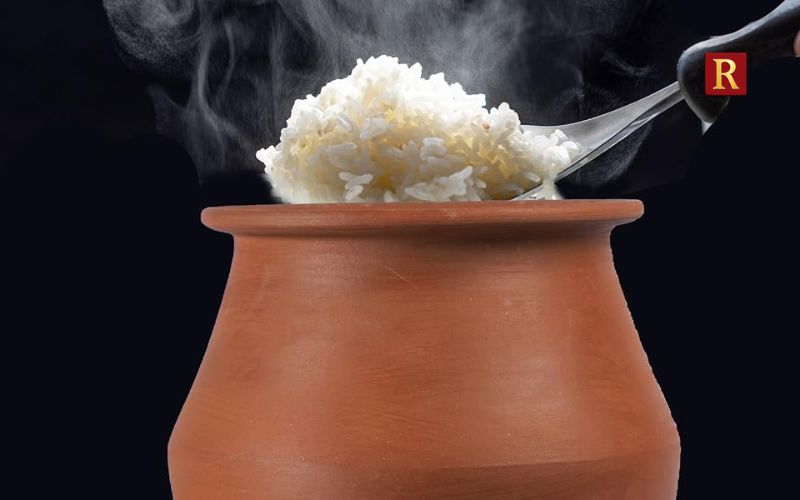
Rice cooked in an earthen pot has a softer texture and a naturally pleasant aroma. Clay cookware cooks food slowly and distributes heat evenly. Unlike electric cookers that cook quickly, earthen pots allow rice to absorb water gradually. Many traditional Indian households still use clay pots for preparing everyday rice because they help preserve the grain's natural flavour and texture. The result is fluffy rice with separate grains rather than sticky or overly soft rice.
4. Fish Curry Tastes More Authentic in Clay Cookware
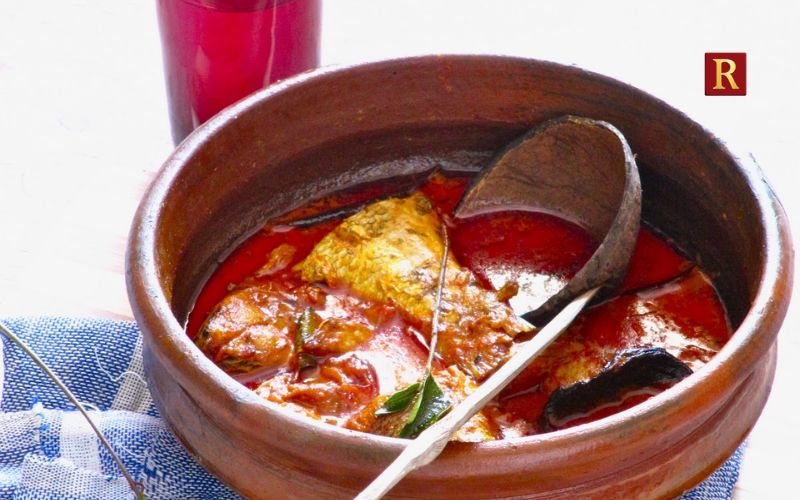
Coastal Indian cuisines have long preferred clay cookware for fish curries. Kerala fish curry and Goan fish preparations are excellent examples. The combination of tamarind, coconut, and spices benefits from slow simmering in earthen pots. Clay cookware allows acidic ingredients to cook gently without overpowering the dish. The flavours become more balanced over time. Interestingly, many traditional fish curries taste even better a few hours after cooking because the spices continue to develop inside the clay vessel.
5. Rotis and Parathas Get Better Texture on Cast Iron Tawas
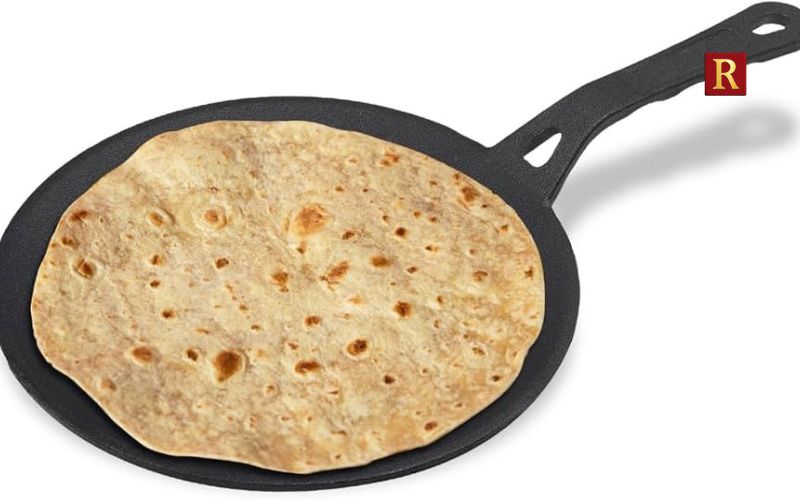
The difference between rotis made on cast iron and non-stick pans is easy to notice. Cast iron reaches high temperatures and retains heat evenly. This helps rotis puff properly and creates light brown spots that contribute to flavour. Parathas also develop a crisp exterior while remaining soft inside. Many restaurants continue to use cast iron tawas because they deliver consistent results even during busy service hours.
6. Sambar Becomes More Flavourful in Soapstone Cookware
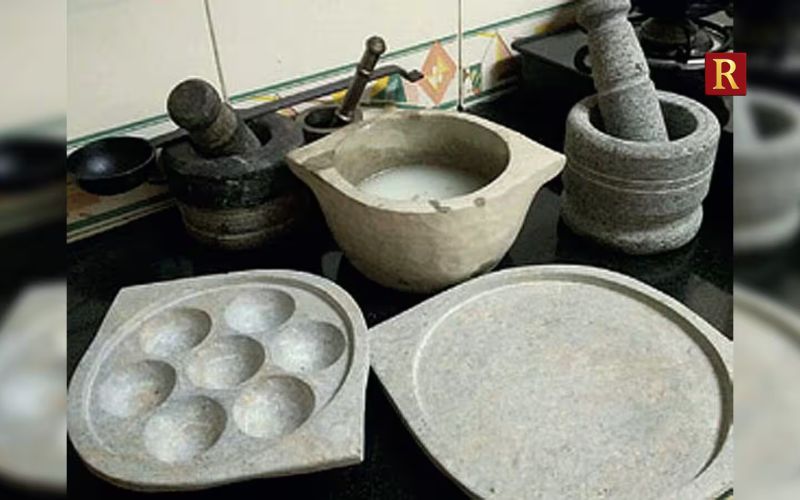
Soapstone cookware, known as Kal Chatti in South India, has been used for generations. It heats gradually and retains warmth for a long time. This makes it ideal for dishes that require slow simmering. Sambar prepared in soapstone develops a richer flavour profile because the lentils, tamarind, and spices cook together more gently. Traditional soapstone cookware is particularly valued for its ability to maintain a steady cooking temperature throughout the process.
7. Meat Curries Taste Richer in Brass Handis
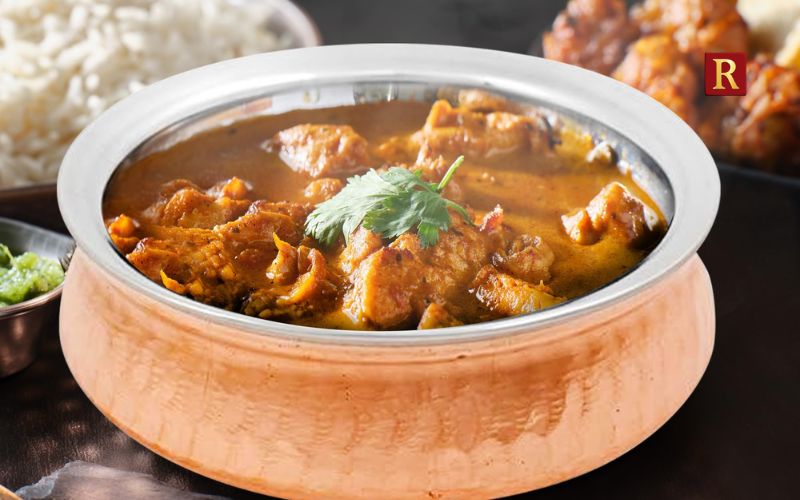
Brass handis have historically been used in royal Indian kitchens. Their excellent heat conductivity makes them suitable for slow-cooked meat preparations. Rich gravies benefit from even heat distribution, allowing spices and proteins to cook properly. However, brass cookware used for cooking must be lined with tin, a process known as kalai. This protective coating ensures that acidic foods can be cooked safely. Many traditional Mughlai recipes were originally developed for brass cookware because it helped achieve deep and complex flavours.
8. Khichdi Turns Creamier in Clay Pots
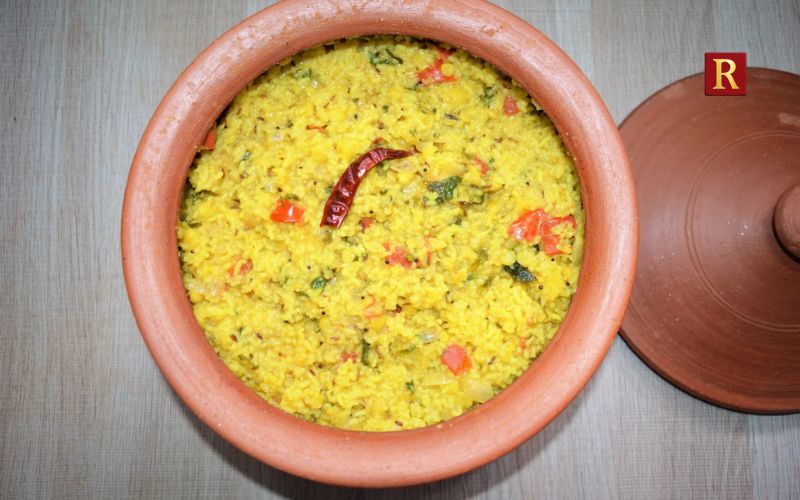
Khichdi is comfort food in many Indian households. Cooking it in clay pots helps maintain moisture and creates a naturally creamy consistency without overcooking the rice or lentils. The gentle cooking process also brings out the subtle sweetness of the ingredients. Simple dishes often benefit the most from traditional cookware because there are fewer ingredients competing for attention.
9. Chicken Curry Develops Better Flavour in Heavy Cast Iron Pots
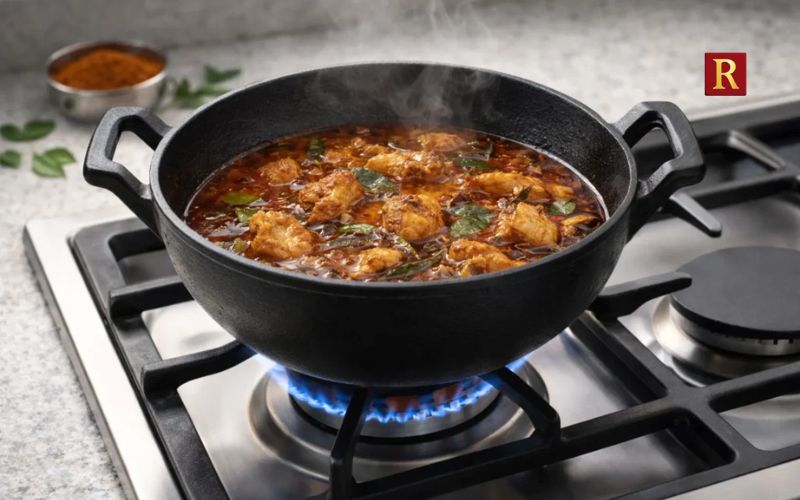
Chicken curry requires balanced heat throughout the cooking process. Heavy cast iron pots or Dutch ovens help maintain stable temperatures. This allows onions to caramelise properly and the gravy to thicken gradually. Slow cooking improves flavour concentration and creates richer sauces. Professional chefs often recommend heavy-bottomed cookware for curries that require extended cooking times. The result is tender chicken and a well-developed gravy with layers of flavour.
10. Pongal Gets Its Signature Texture in Traditional Pots
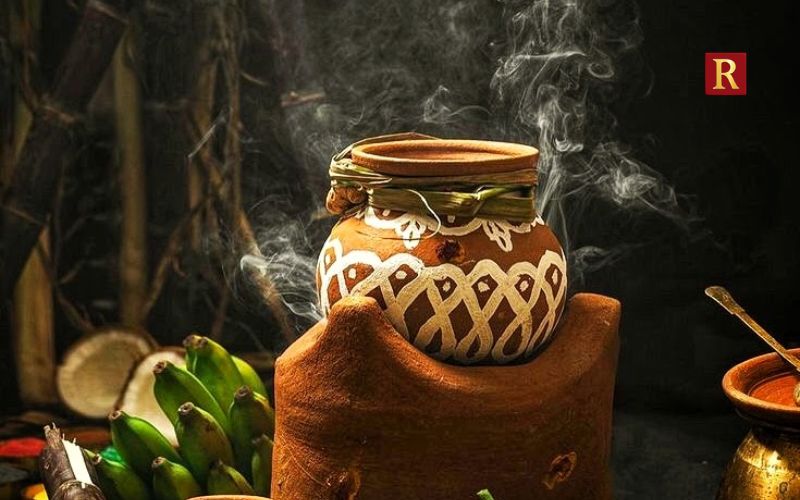
Pongal is an important festive dish in South India. Traditionally prepared in clay or bronze vessels, Pongal benefits from slow and controlled cooking. Rice, moong dal, ghee, black pepper, and cumin combine beautifully when cooked over gentle heat. Traditional cookware also enhances the aroma of ghee and roasted spices, which are central to the dish's flavour profile. The cooking vessel contributes significantly to the creamy and comforting texture that Pongal is known for.
The Science Behind Traditional Cookware
Modern cookware offers convenience, but traditional materials bring unique culinary advantages.
Cooking Vesse | Main Benefit |
Clay Pot | Moisture retention and slow cooking |
Cast Iron | Heat retention and flavour development |
Soapstone | Gentle and even cooking |
Brass Handi | Excellent heat conductivity |
Heavy Cast Iron Pot | Ideal for slow-cooked curries |
Cooking vessels influence:
- Heat distribution.
- Steam circulation.
- Texture development.
- Browning and caramelisation.
- Flavour absorption.
- Nutrient retention.
These small differences can significantly change how food tastes on your plate.
Final Thoughts
The vessel you cook in can influence much more than just the cooking process. It affects the flavour, aroma, texture, and overall experience of a dish. Traditional Indian cooking has long recognised the importance of using the right cookware for specific recipes. Clay pots enhance slow-cooked dishes by retaining moisture, while cast iron delivers better heat retention and richer flavours. Soapstone and brass cookware are equally valued for their unique cooking properties. Many iconic Indian dishes, from biryani and fish curry to rotis and Pongal, were originally developed with particular vessels in mind. Choosing the right cookware can often make a noticeable difference in the final result. Sometimes, recreating an authentic taste isn't about changing the ingredients—it's simply about cooking the dish in the vessel it was meant for.
Saptopriya Ghosal
Feature Writer
I am a dedicated media professional with a bachelor's degree in mass communication from the State University of Calcutta and a postgraduate degree from Amity University. My academic journey has equipped me with a profound understanding of storytelling and communication. Passionate about the dynamic world of media, I continually strive to explore new ways to engage and inform through compelling narratives.



































































































































































