10 Fiber-rich foods for Diabetics
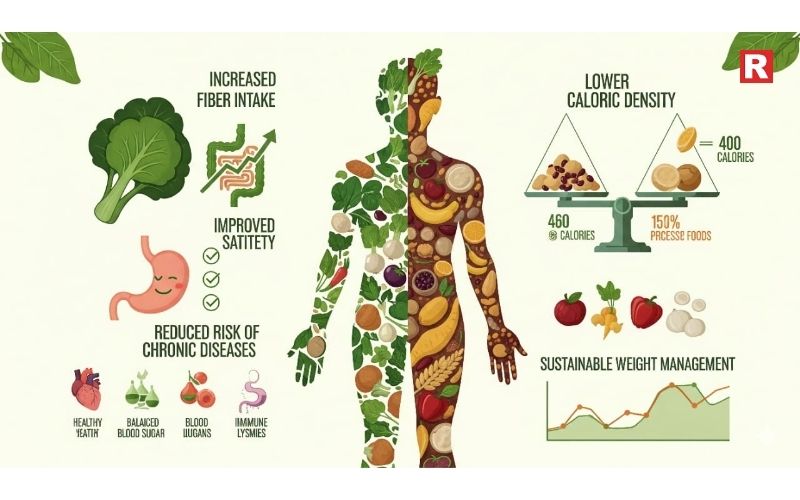
Diabetes has become a great issue for people all around the world. This can lead to many high-risk diseases in the future. While there is no cure for it, there are ways to control your blood sugar levels. That is, to maintain your diet. The best way to control your diet is to include fiber-rich foods in your meals.


Diabetes has become a great issue for people all around the world. It is a condition that is caused by low insulin levels. Sugar is not converted to energy, resulting in a high rise in blood sugar levels. This can lead to many high-risk diseases in the future. While there is
Diabetes has become a great issue for people all around the world. It is a condition that is caused by low insulin levels. Sugar is not converted to energy, resulting in a high rise in blood sugar levels. This can lead to many high-risk diseases in the future. While there is
no cure for it, there are ways to control your blood sugar levels. That is, to maintain your diet. The best way to control your diet is to include fiber-rich foods in your meals.
Types of Diabetes:
- Type 1 Diabetes: The immune system attacks and destroys insulin-producing cells in the pancreas. It can occur at any age, but is mostly found in children and young adults.
- Type 2 Diabetes: It is a chronic condition in which the body cannot produce enough insulin as needed. It is mostly common in people over 40-45, however, new cases are being seen in young people due to being obese and having a poor diet.
- Gestational Diabetes: It occurs in pregnant women during their third or fourth trimester. It is a temporary condition and usually goes away after the birth of the child. However, it also increases the risk of Type 2 Diabetes in the future.
- Prediabetes: Blood sugar level rises but not enough for a Diabetes diagnosis. It can be considered a warning sign for the future.
Why Fiber-Rich Foods Are Good for Controlling Diabetes?
- Slows Down Sugar Absorption: Slows down the absorption of sugar in the bloodstream.
- Improves Insulin Sensitivity: Helps in managing glucose more effectively, as regular fiber intake can enhance the body’s absorption of insulin.
- Supports Weight Management: It lowers LDL(bad) cholesterol, reduces blood pressure, and Improves Blood Lipid Profile, helping in weight loss.
- Lowers LDL (Bad) Cholesterol: Certain types of fiber can help reduce LDL (“bad”) cholesterol levels
- Promotes Gut Health: Fiber-rich foods nourish beneficial bacteria, which in turn help produce compounds that support overall well-being.
- Reduces the Risk of Diabetes Complications: They stabilise blood-sugar levels, which prevents damage to vital organs and improves cardiovascular health.
Read more: Top 4 Ways to Use Betel Leaves for Daily Detox
There are two varieties of Fiber-rich foods:
Soluble Fiber
Soluble fiber dissolves in water, forming a gel-like substance. This gel has several important functions:
- Slows Digestion: It slows down the emptying of the stomach, which helps regulate blood sugar levels by preventing rapid spikes after meals.
- Lowers Cholesterol: It can bind to cholesterol particles in the digestive tract, preventing their absorption and helping to lower LDL ("bad") cholesterol.
- Promotes Satiety: The gel-like consistency helps you feel fuller for longer, which can aid in weight management.
- Feeds Gut Bacteria: It acts as a prebiotic, fermenting in the colon to feed beneficial gut bacteria, producing short-chain fatty acids (SCFAs) that have numerous health benefits.
Some common sources of Soluble fiber are:
- Oats and Oat Bran
- Lentils
- Fruits
- Vegetables
- Nuts and seeds
Insoluble Fiber
Insoluble fiber does not dissolve in water and remains largely intact as it moves through your digestive system. Its primary functions include:
- Adds Bulk to Stool: It acts as "roughage," increasing stool bulk and promoting regular bowel movements, which helps prevent constipation.
- Aids Transit: It helps food pass more quickly through the stomach and intestines.
- Supports Bowel Health: By promoting regular bowel movements, it contributes to overall bowel health and may reduce the risk of diverticular disease and hemorrhoids.
Some common sources of Soluble fiber are:
- Whole Grains
- Vegetables
- Fruits
- Nuts and Seeds
So, let’s take a look at 10 fiber-rich foods that can help in controlling blood sugar levels.
1.Legumes

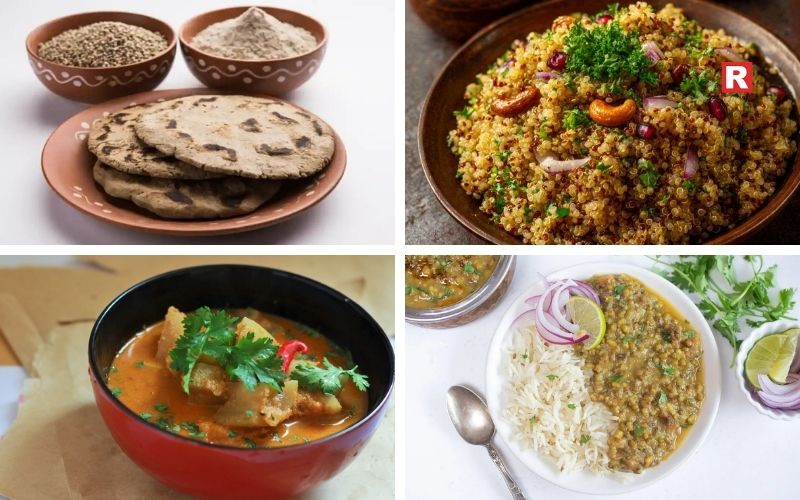
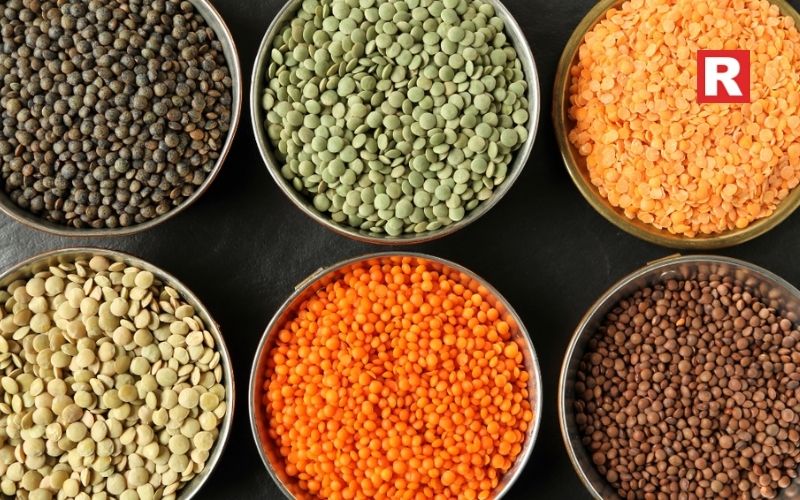
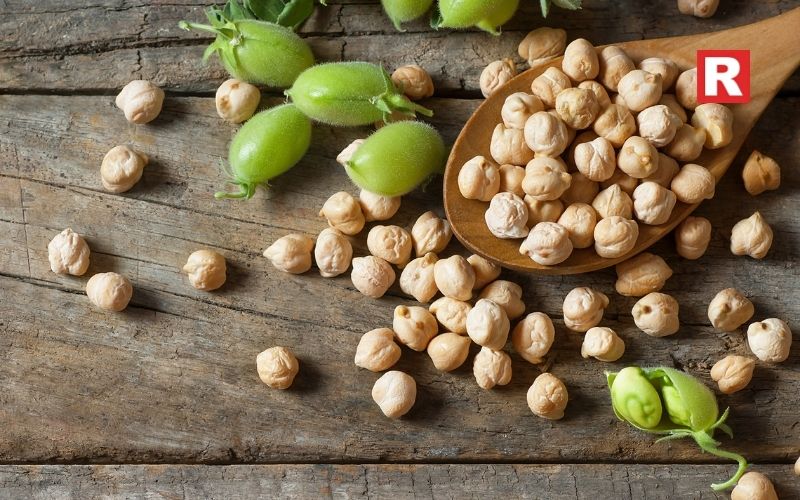
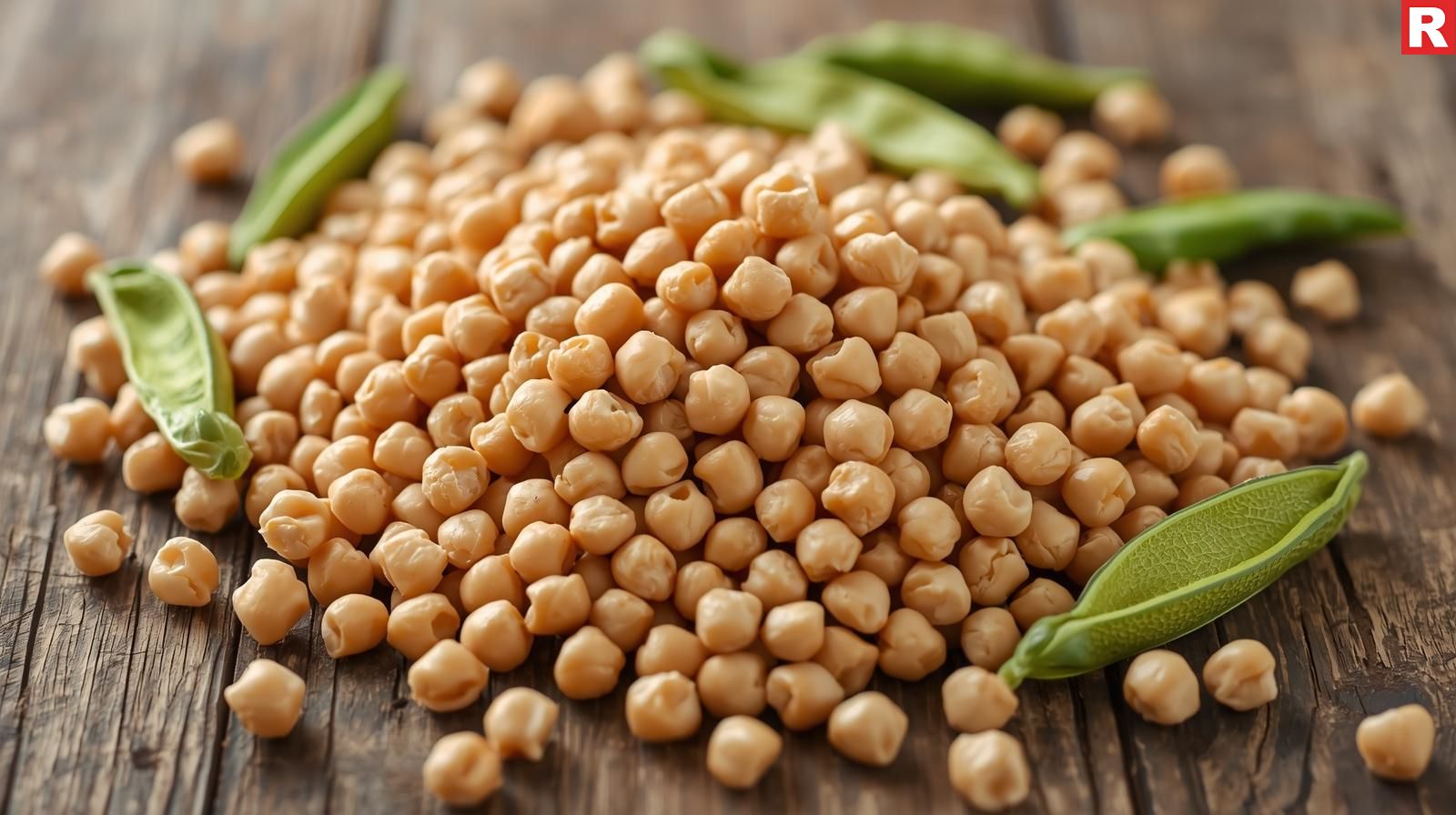
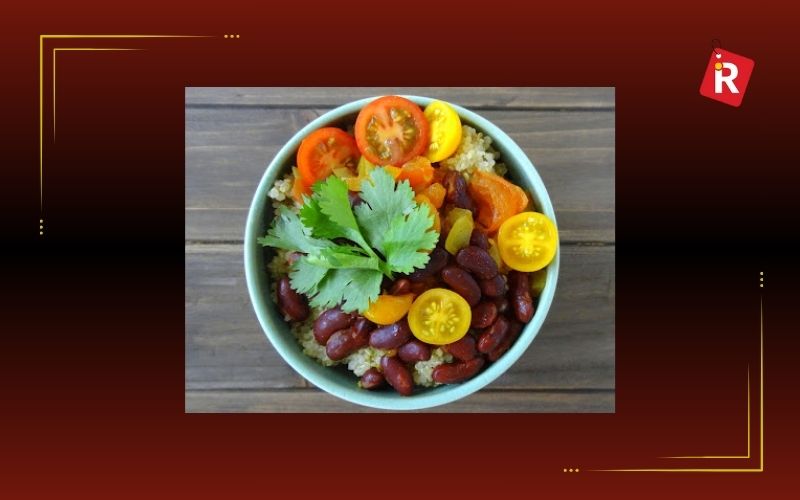
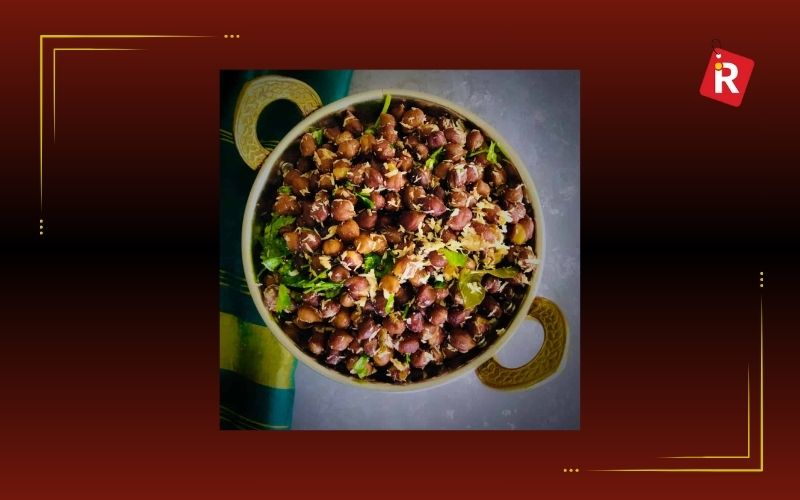
Lentils, chickpeas (chana), black beans, kidney beans (rajma), split peas, and other beans are a source of both soluble and insoluble fibers. All types of beans have high nutritional value. They have high levels of complex carbohydrates and proteins, which help in the slow release of glucose. This helps to lower the blood sugar level. There are many dishes and ways to eat legumes. One can cook up a stew, or make dal with them, or eat them as sprouts. ½ cup of legumes contains 8 grams of Fiber.
Read more: 6 Common Fruits That Have the Highest Amount of Fibre: Your Tasty and Simple
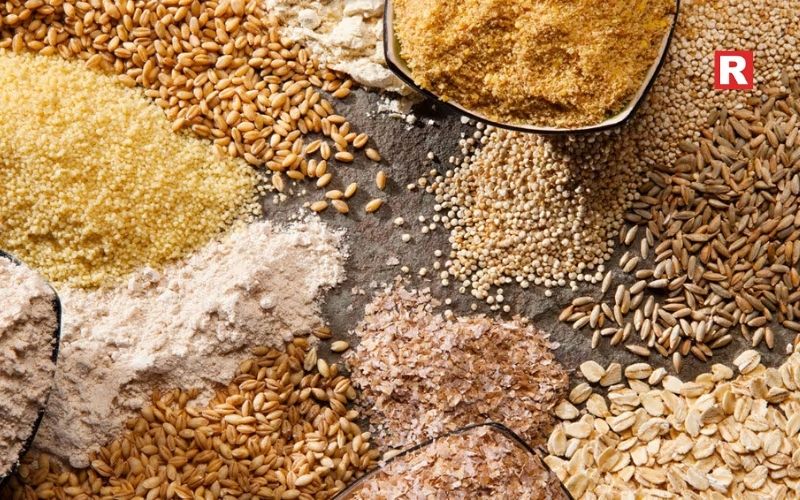
2. Oats and Whole Grains

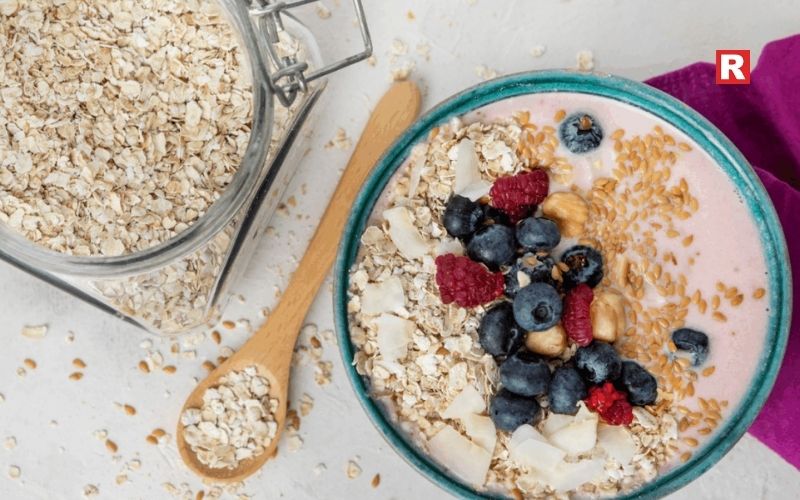
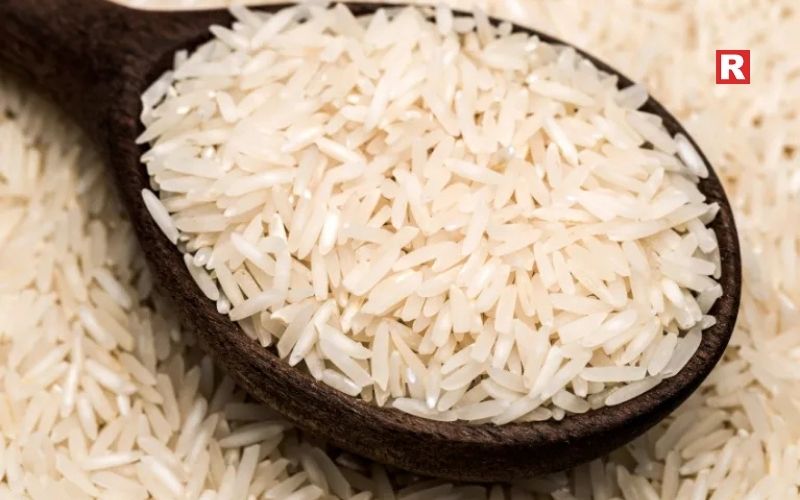
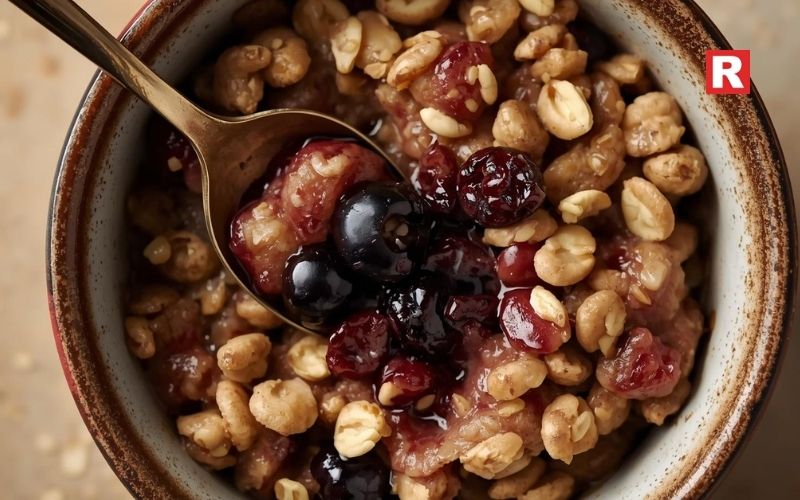
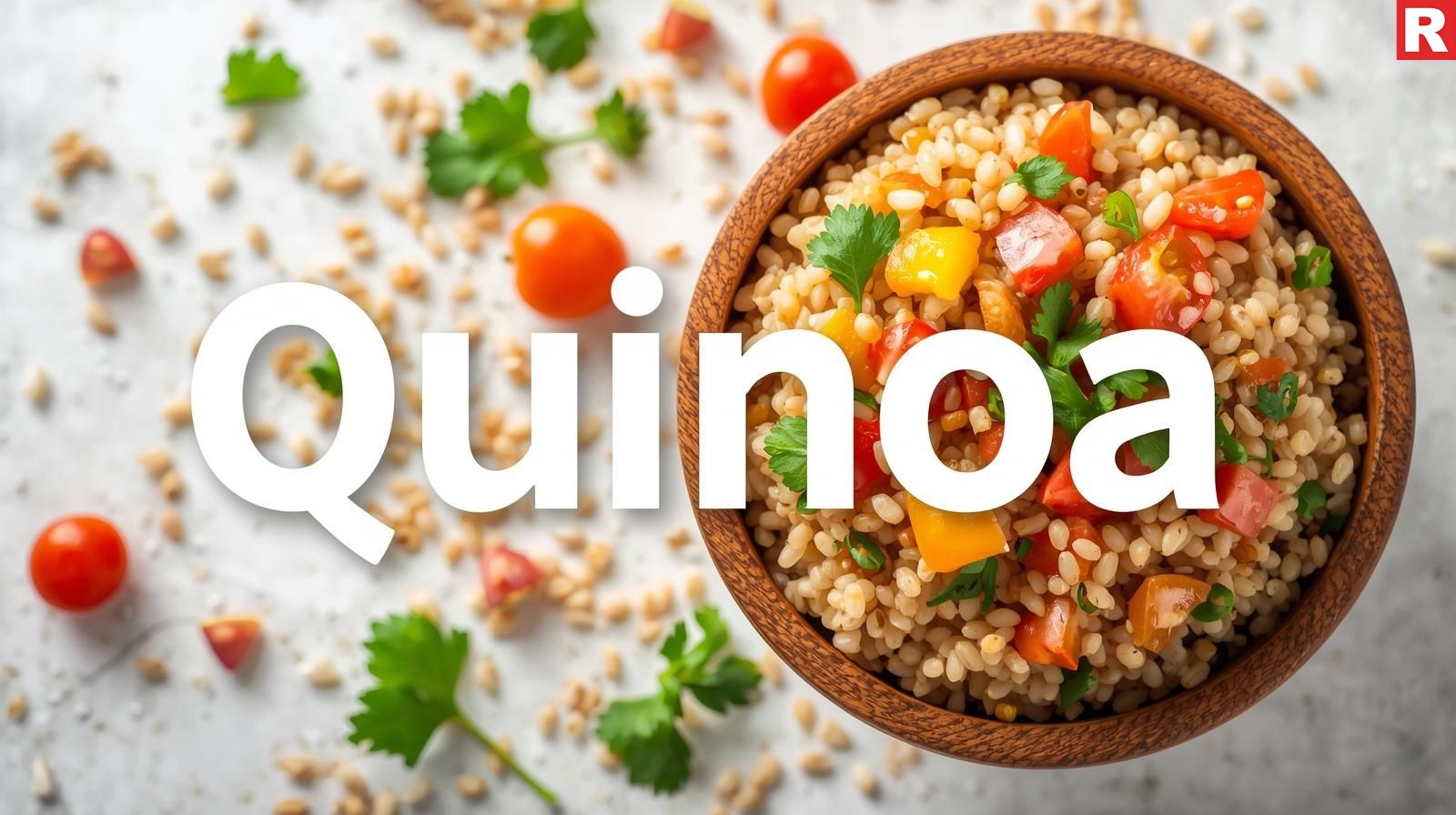
Oats are a great source of fiber, like beta-glucan. They are a soluble fiber food that helps control cholesterol levels and also slows down glucose absorption. Whole grains are unprocessed grains; that’s why they retain their bran and germ. They are also a good source of fiber and nutrients. There are many dishes created with oats and whole grains. For example, oats can be made into dalia, or made into a salad by adding yogurt and berries, brown rice pulao, and quinoa salads are some ways to eat whole grains
Read more: 5 Ways to Use Garden Cress Seeds (Halim) for Stronger Hair and Bones
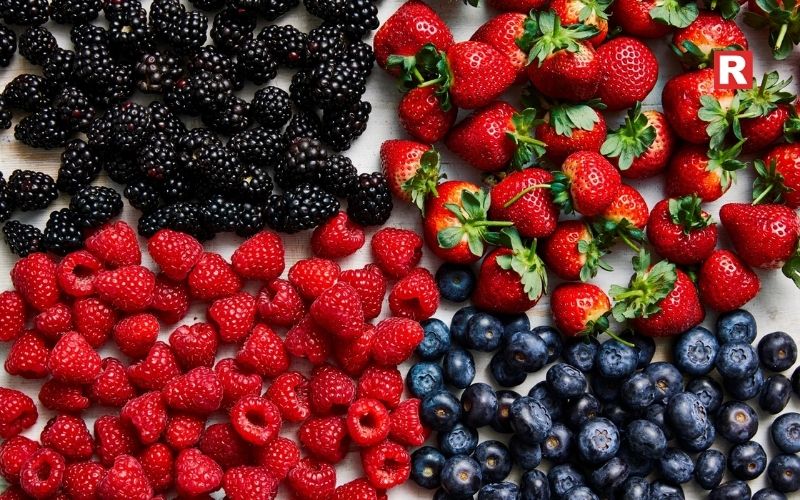
3. Berries

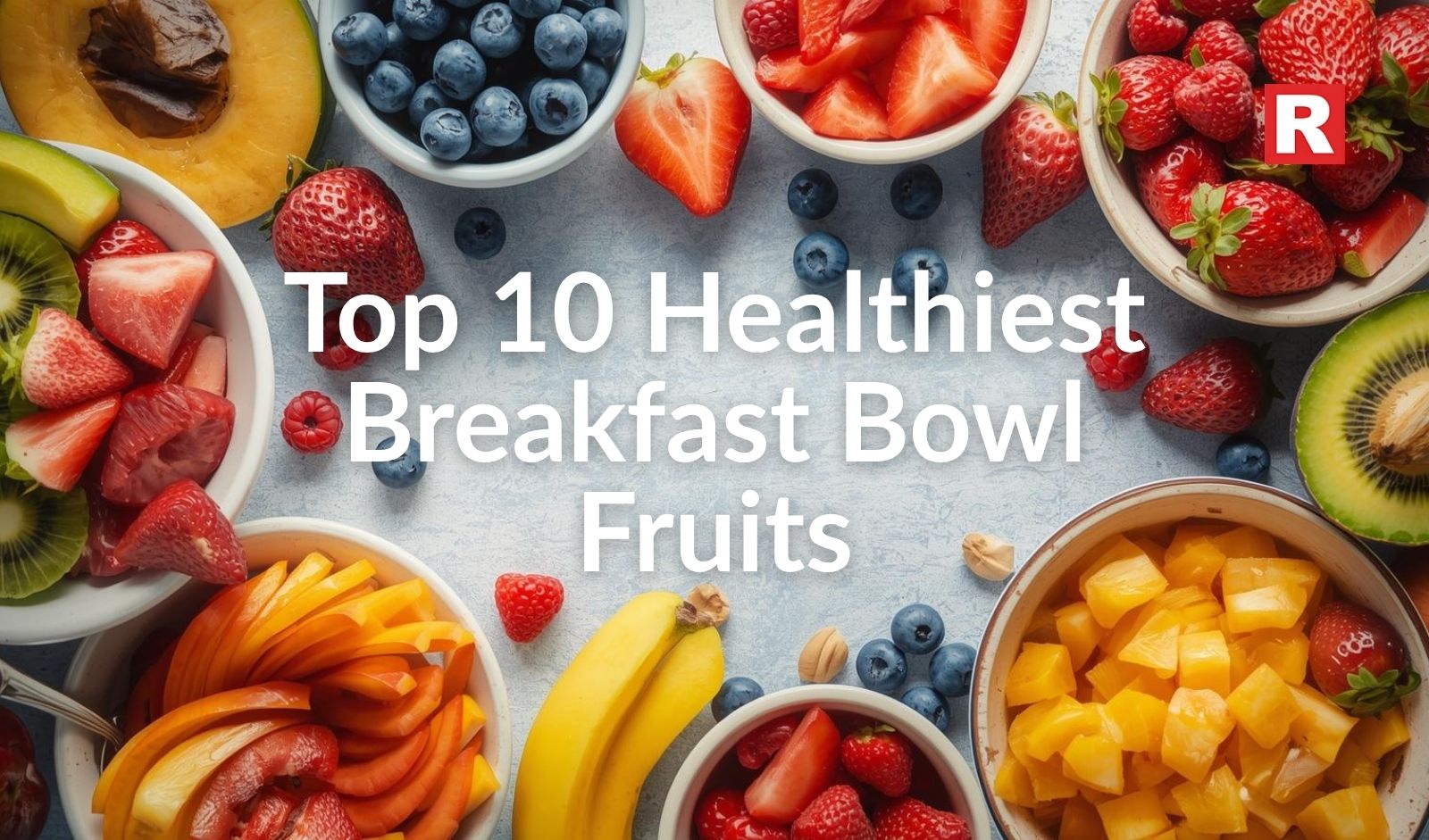
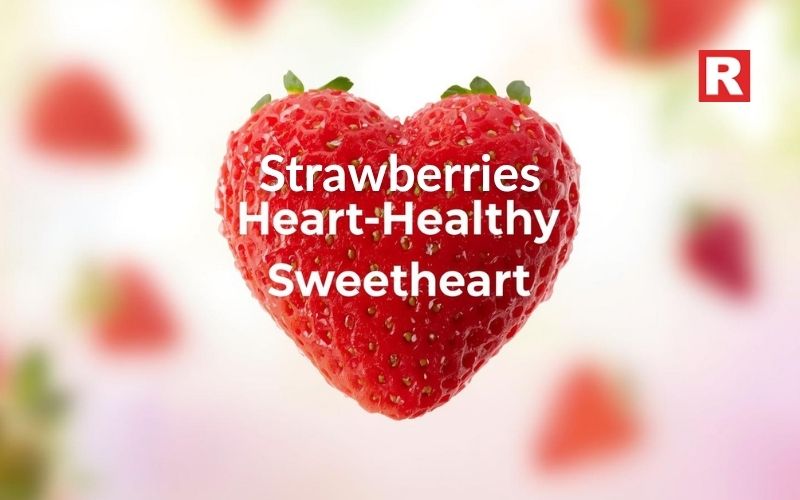
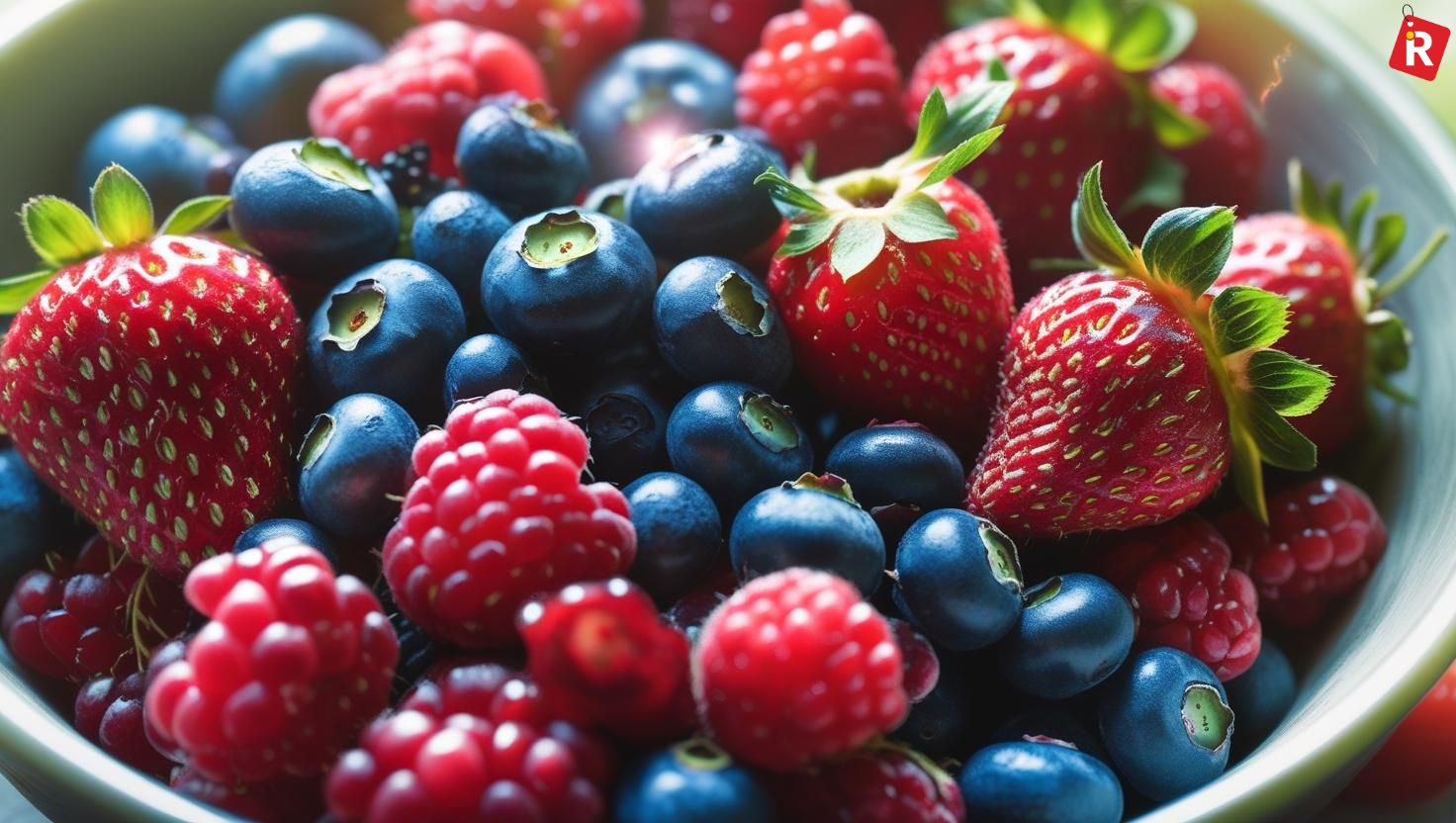
Most types of berries, such as strawberries, raspberries, blueberries, etc. Have a good mix of both soluble and insoluble fibers. They are sweet, but have a relatively low glycemic index due to their high fiber content. They are also full of antioxidants, which help in the inflammation and oxidative stress that occurs with diabetes. Berries are already good in taste if eaten raw, but to enjoy your meal to the fullest, one can add them to yogurt, oats as a topping, or make a smoothie with them.
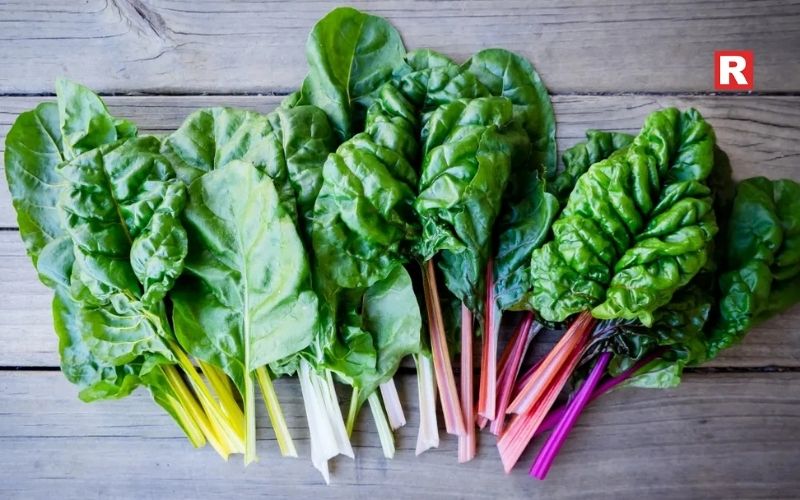
4. Leafy green vegetables

Spinach, Kale, and Fenugreek leaves are some of the leafy green vegetables that are high in fiber, vitamins, and minerals but low in calories and carbs. They are a type of insoluble fiber. They do not raise your blood sugar levels, but fill your stomach. Leafy vegetables are best enjoyed as smoothies, soup, saag (sarso, spinach, etc.), curries, or stir-fried.
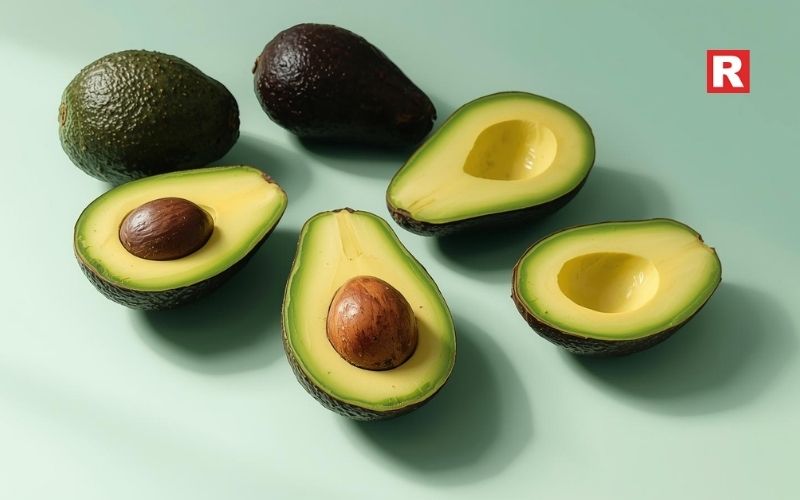
Know more: What Happens When You Consume 1 Avocado Daily?
5. Apples

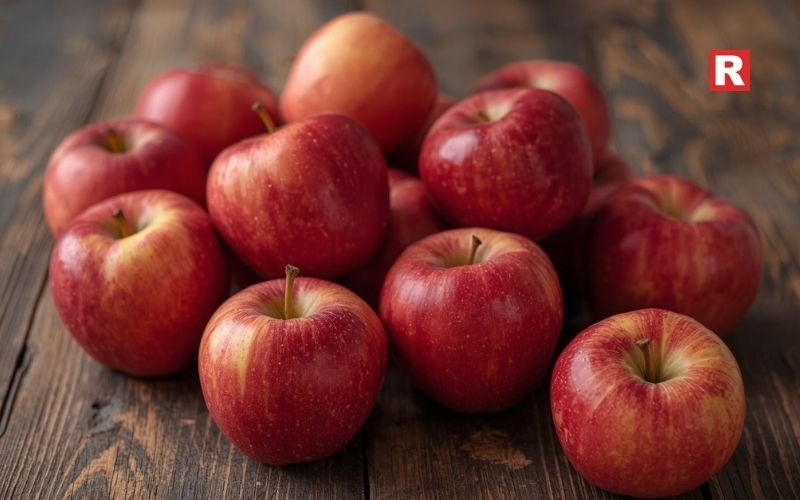
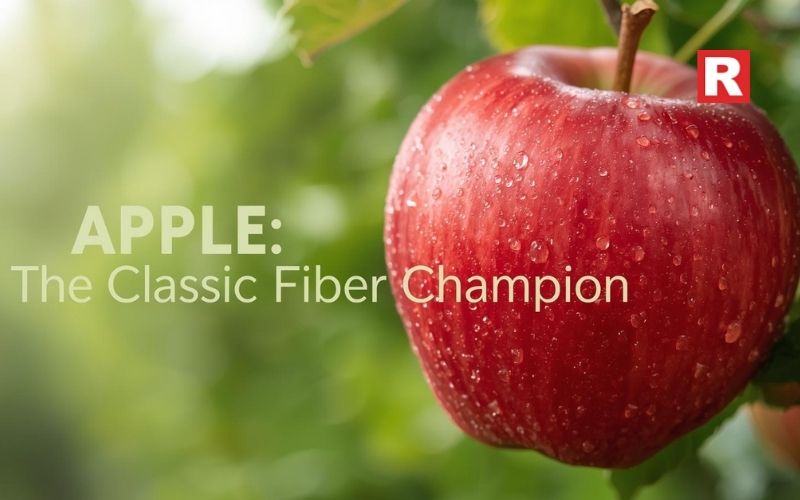
Apples are a good source of soluble fiber. But most of it is in the skin of the fruit. So if you are a diabetic, eat the fruit while keeping its skin intact. The skin contains pectin, which helps regulate blood sugar levels and reduces cholesterol. You can eat the fruit raw, or add it to a salad, or make a juice with it, or bake it. However, do not add sugar, as it will just ruin the purpose of eating the fruit.
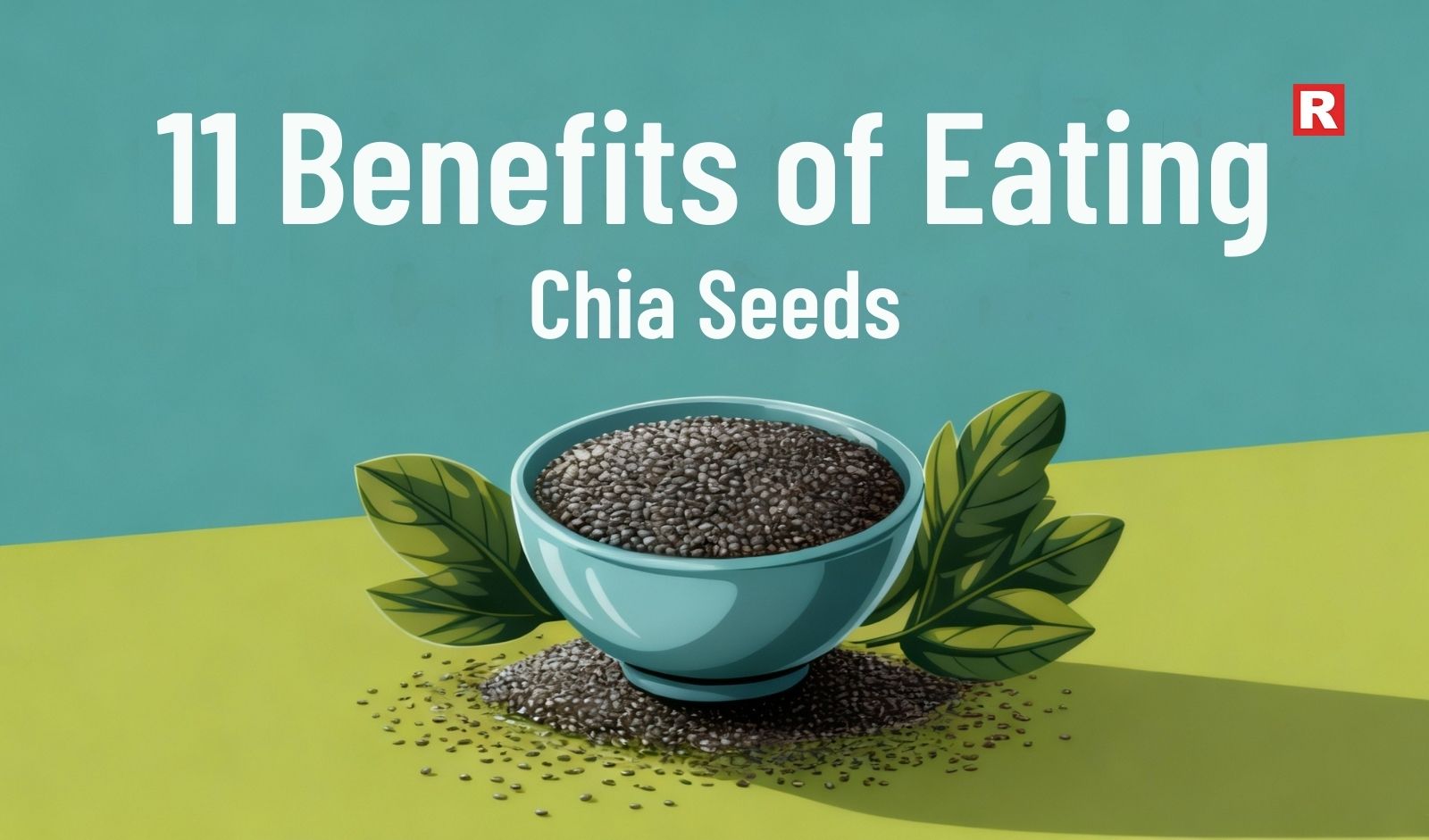
6. Chia Seeds

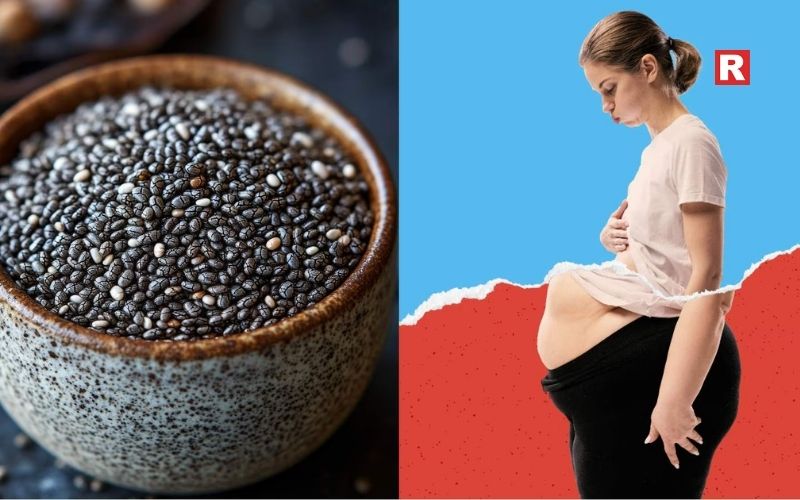
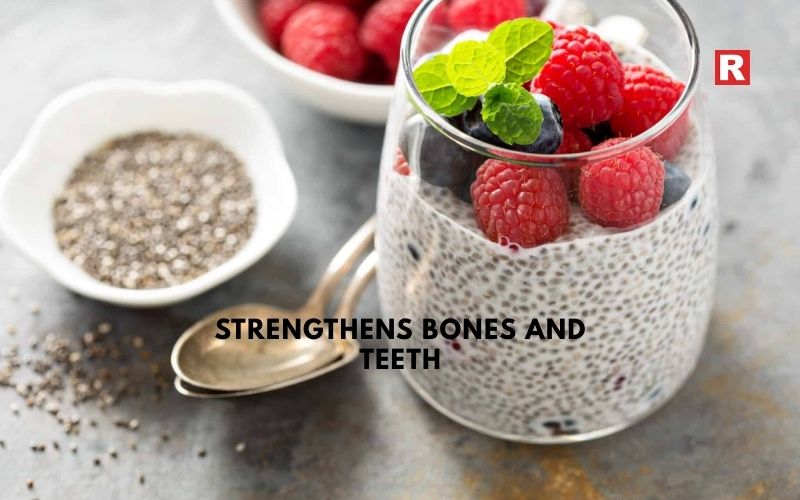
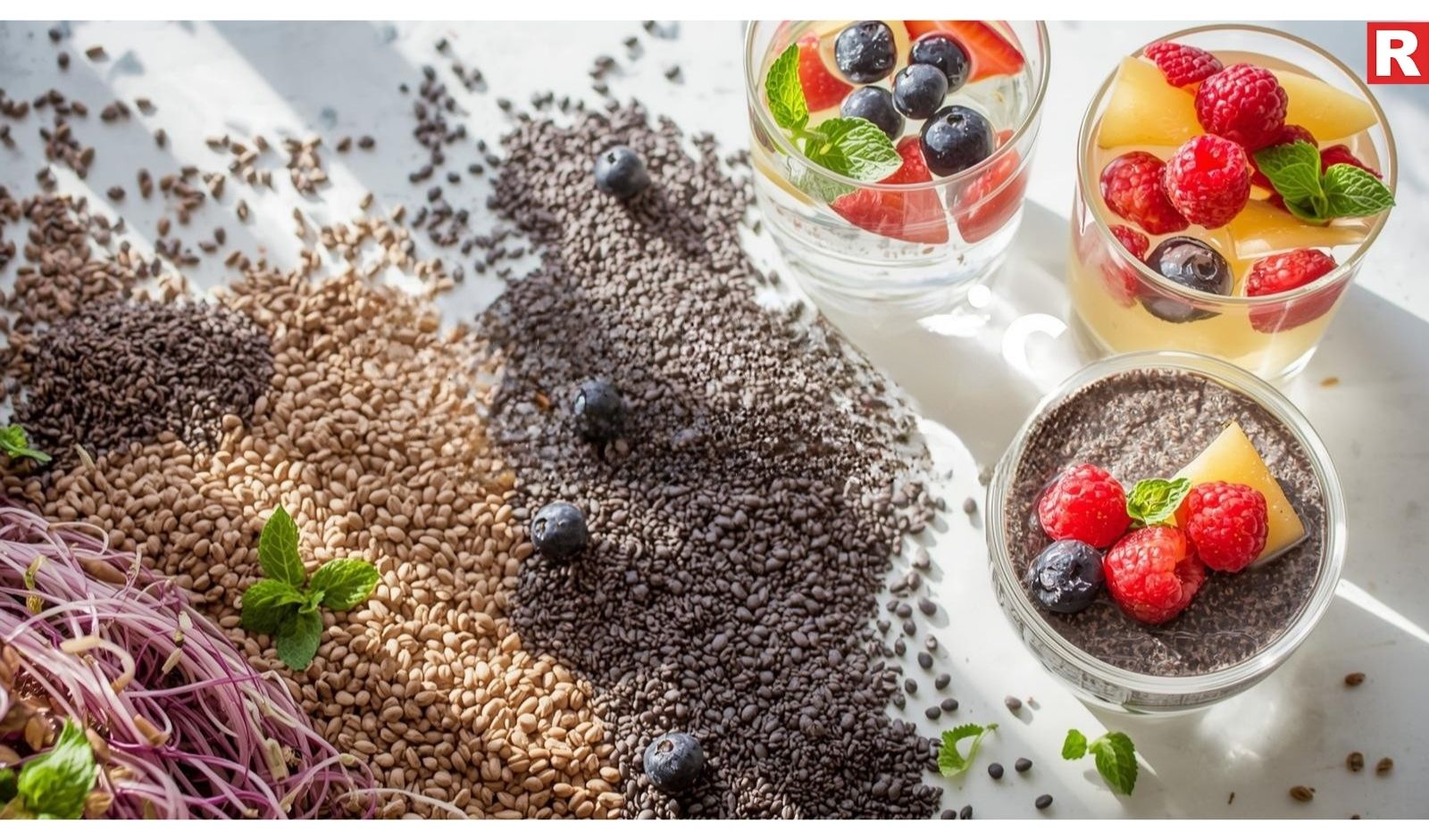
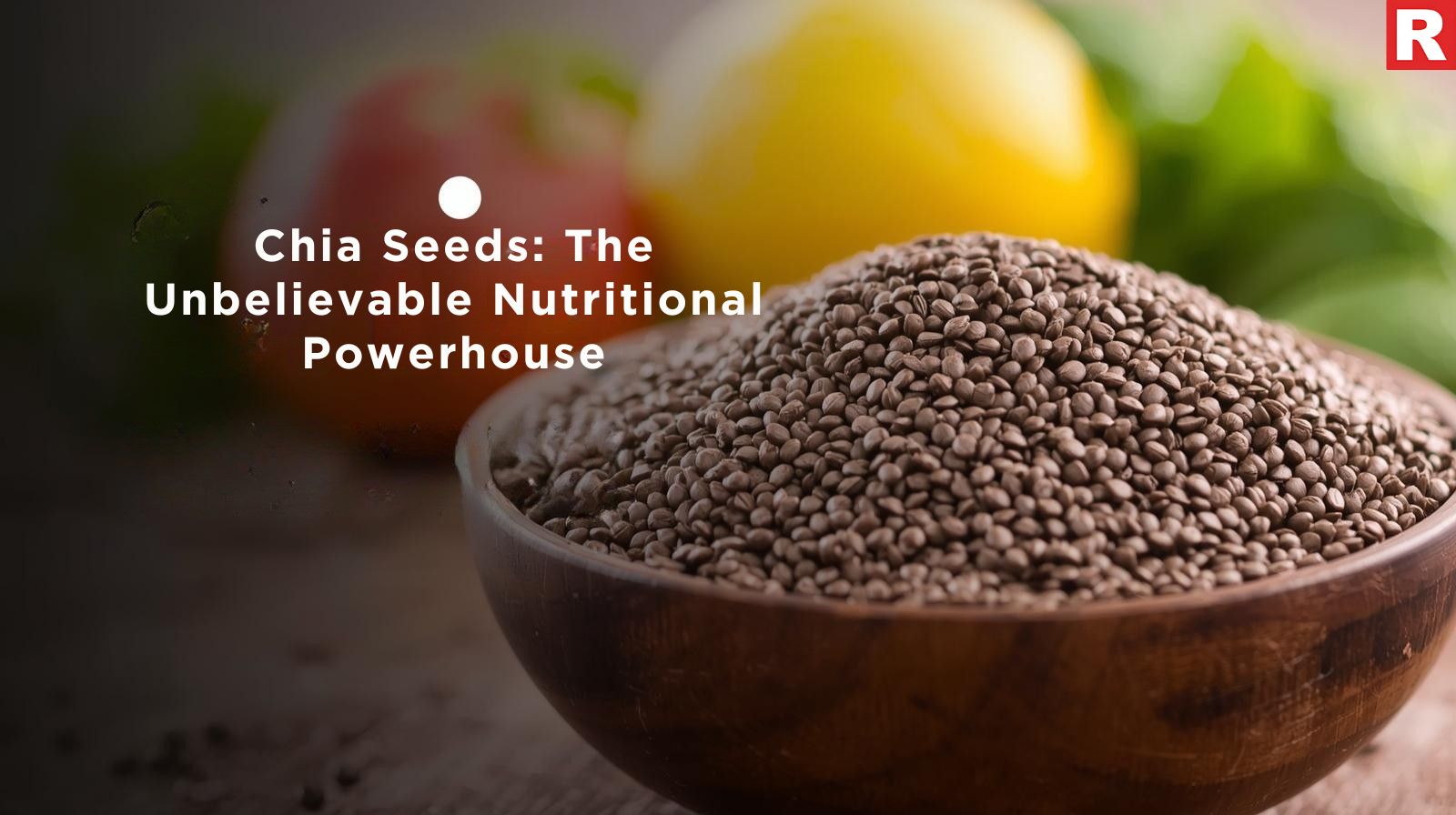
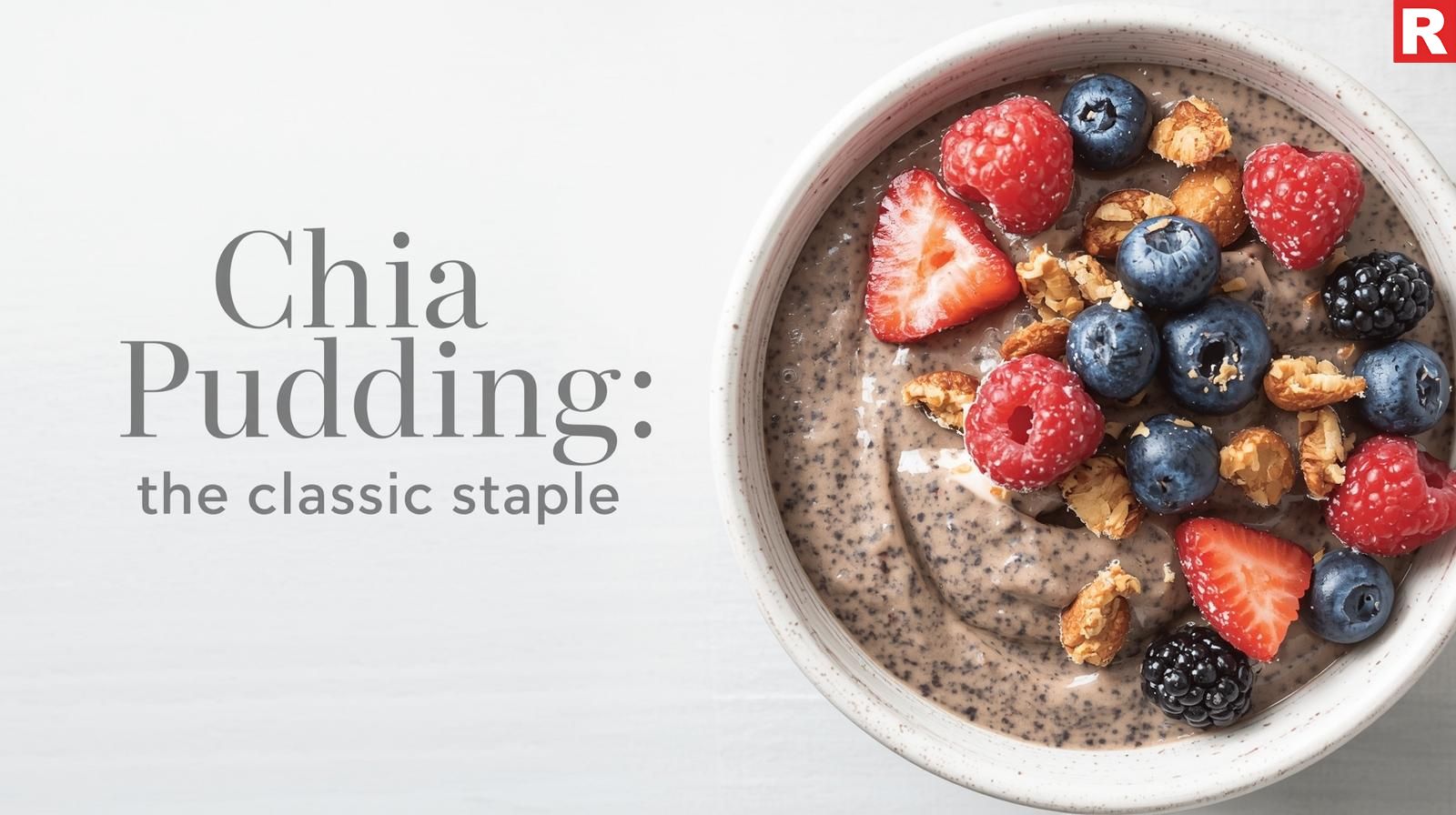
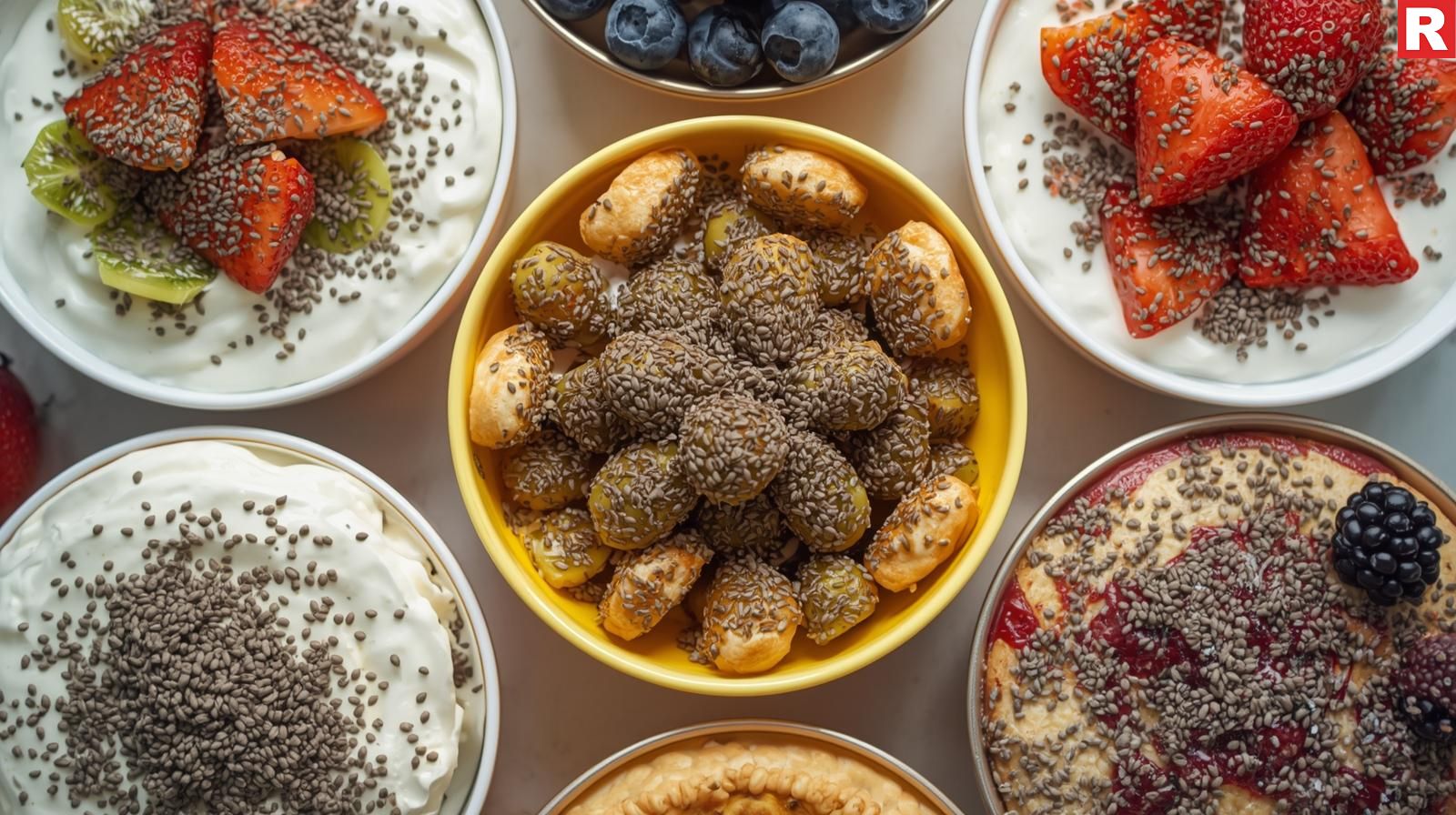
Chia seeds are a superfood, especially when they comes to a diabetic patient. Its fiber content is exceptionally high, and the fiber is mostly soluble. It has omega-3 fatty acids and antioxidants. The seeds, when mixed in liquid and soaked for a while, create a gel-like substance that helps to slow down digestion and glucose release. To enjoy eating this superfood, add it to yogurt, oatmeal, and make a smoothie, or make chia pudding.
7. Flaxseeds or Linseeds

Flaxseeds are a source of both soluble and insoluble fiber. They have a very high fiber content. Similar to chia seeds, they are excellent for blood sugar control. They also provide lignans, plant compounds with antioxidant properties. They also have Omega-3 fatty acids. This helps the body fight inflammation. One tablespoon of flaxseeds contains about 2g of fiber. To consume flaxseeds, ground them and sprinkle them in your favourite dishes like cereals, yogurt, or add them to baked goods.
Read this: These 7 Foods Can Help You Cool Your Stomach in Summer
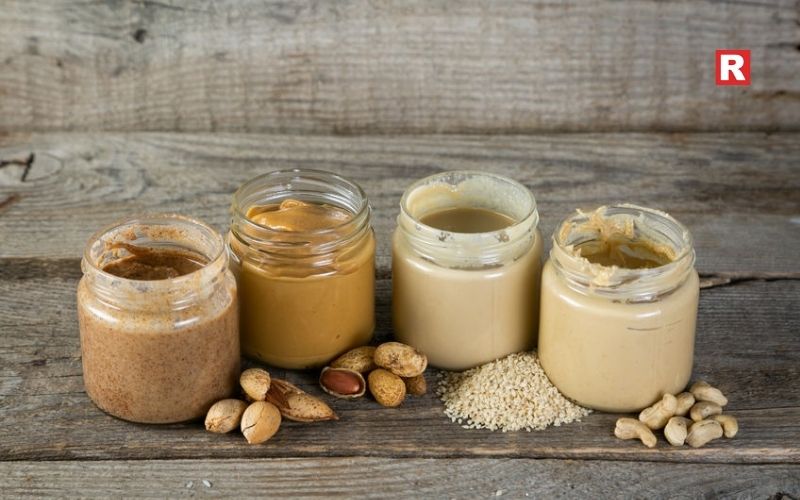
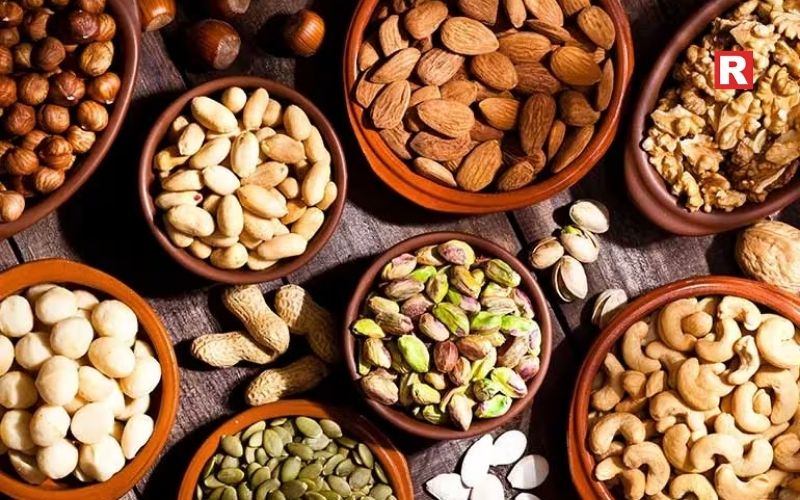
8. Nuts

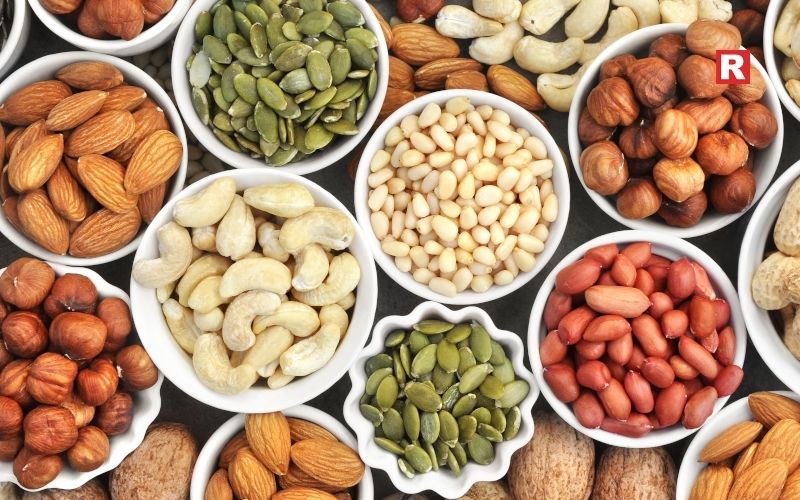
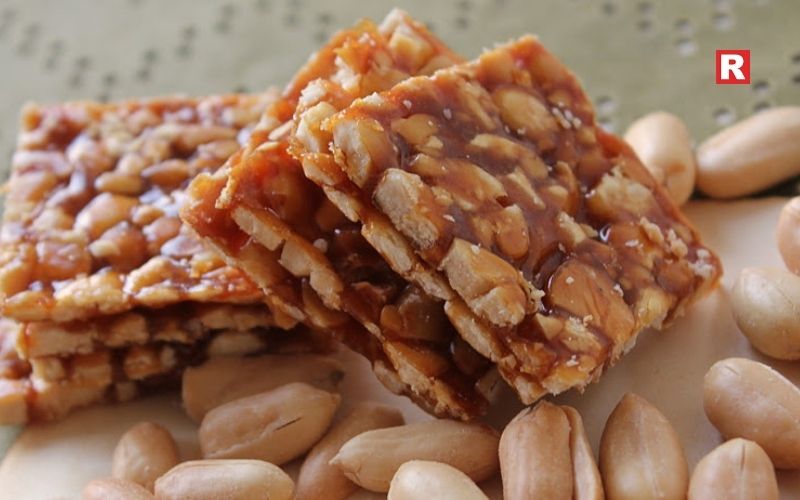
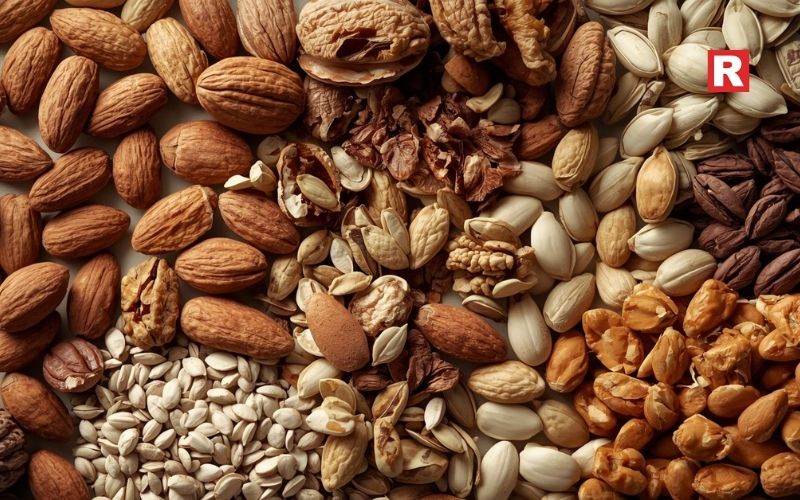
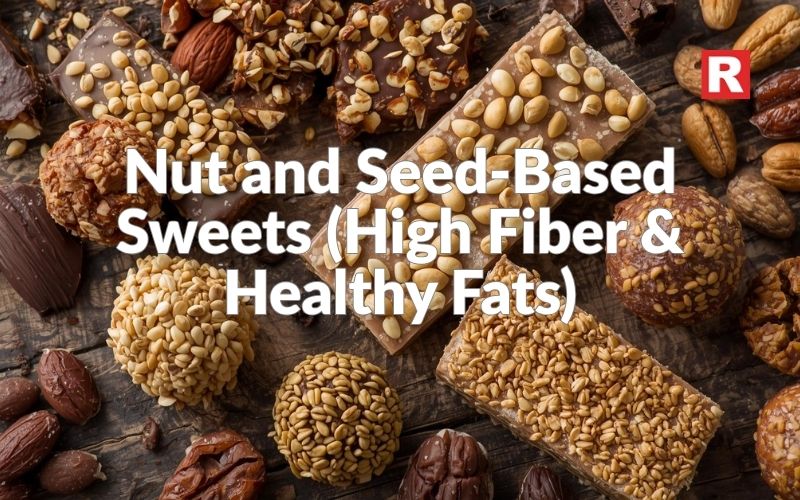
Nuts like Almonds, Walnuts, Pistachios, etc., are a good source of dietary fiber. They do not have high calorie content, but they have a good amount of healthy fats, protein, and fiber. They help to stabilize blood sugar. They also provide the body with essential vitamins and minerals. They are also good as a light snack. Also, these crunchy nuts can be added to salads or oatmeal as toppings. However, keep in mind to control the portion as too much amount can affect your health.
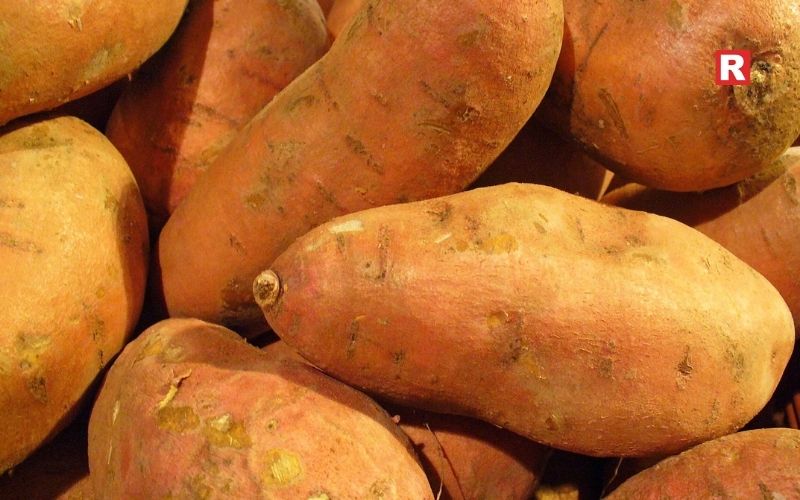
9. Sweet Potatoes

Sweet potatoes are a good source of both soluble and insoluble fiber. Unlike white potatoes, they have more fiber but a low glycemic index, which helps to regulate blood sugar. Especially when the sweet potato is eaten with its skin intact. They are also rich in vitamin A and potassium. The fiber content of a medium-sized potato is 4 grams with skin intact. To enjoy eating a sweet potato, you can either steam it, roast it, mash it, or make a baked dish with it.
10. Broccoli and Other Cruciferous Vegetables

Vegetables like Broccoli, Cauliflower, and cabbage are a good source of insoluble fiber. These vegetables are a high fiber powerhouse. They provide vitamins, minerals, and compounds that help to reduce inflammation and oxidative stress. These are mostly non-starchy vegetables, and Broccoli also contains sulforaphane, which may help to reduce blood sugar levels. To eat these vegetables, steam, roast, or stir-fry them, or add them to soups or salads.
At the end
Incorporating these 10 fiber-rich foods into your daily diet is the first step towards better diabetic management. As diabetes is a condition that can never be cured, the only way is to manage it. Therefore, if you want to control your diet as a diabetic, be sure to be consistent with it. Start by making small changes, such as including nuts in your breakfast. Aim for at least 25-30 grams per day and increase the intake gradually.
Mahak Sharma
Content Writer
Mahak Sharma is a passionate content writer with 2 years of experience crafting compelling content across various niches, tailoring her writing to suit different audiences and platforms. She is dedicated to producing engaging content for readers so that they can understand and enjoy the articles. Her strengths lie in crafting SEO-friendly, well-structured articles that drive visibility and engagement.