
10 Famous Non-Vegetarian Dishes of Uttar Pradesh: A Journey Through Flavour and Heritage
Uttar Pradesh’s non-vegetarian food is not about overpowering spice; it’s about balance and depth. The use of slow-cooking techniques, fragrant whole spices, and carefully layered flavours makes each dish a masterpiece.

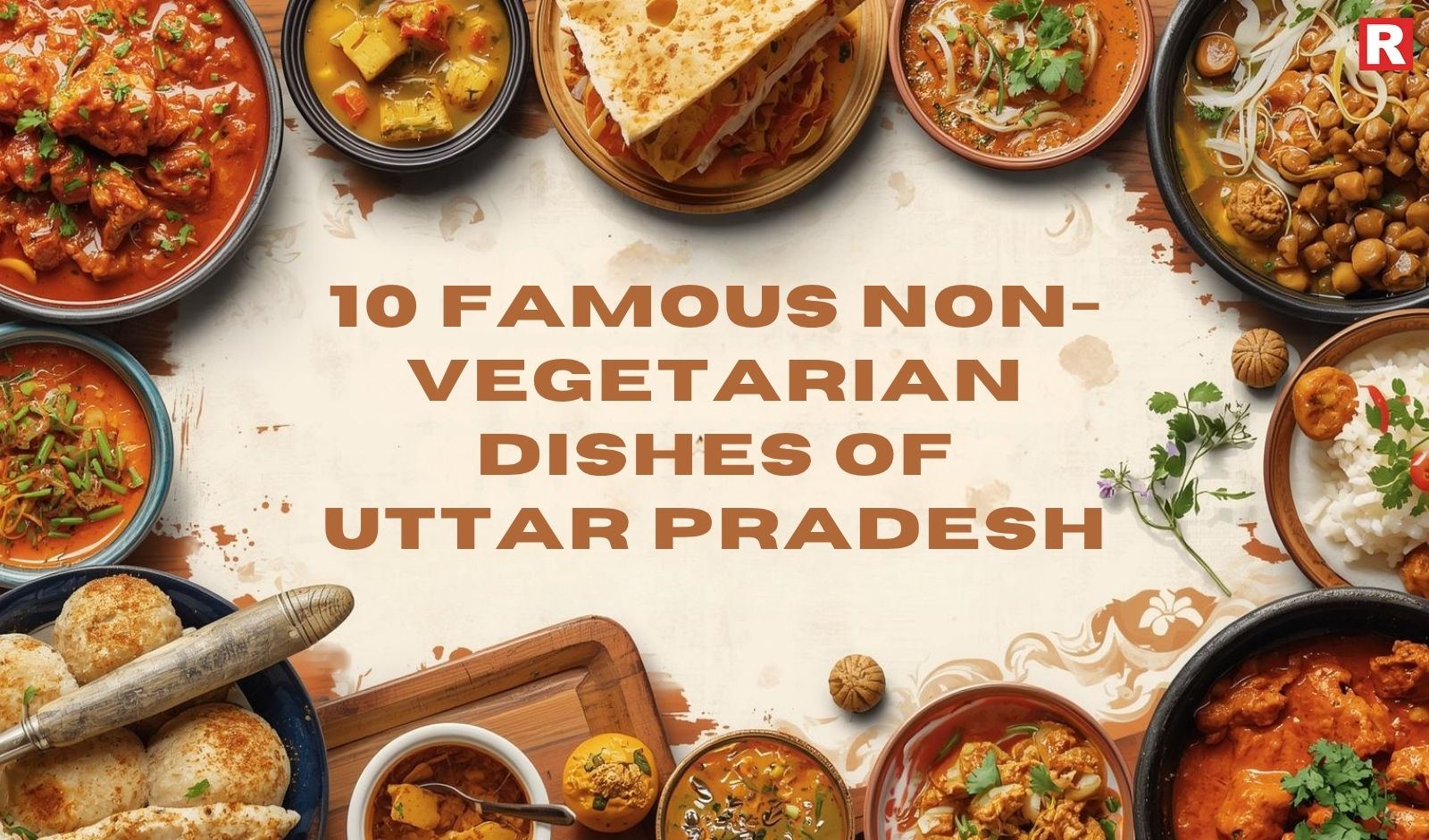
Uttar Pradesh stands as one of India’s richest culinary destinations. Known as the land of Nawabs and poets, it carries a history that lives through its food. Every dish tells a story of royalty, patience, and craftsmanship. The state’s non-vegetarian cuisine reflects centuries of Mughal and Awadhi influence, where food was treated as an art form. Lucknow, its capital, is known for kebabs that melt in the mouth and biryanis that smell of saffron and ghee. Rampur offers spicy mutton curries with a bold, rustic touch. Moradabad brings biryani to the streets, where flavours speak of simplicity and heart. Across Uttar Pradesh, from Kanpur to Varanasi, every region adds its own twist to meat dishes.
The cooking here is slow, detailed, and filled with layers of flavour. Whole spices, tender meat, and age-old techniques create food that comforts and excites in equal measure. For meat lovers, Uttar Pradesh is more than a destination—it is a journey through royal kitchens, bustling markets, and homes that still cook with love and tradition.
A Taste of History and Heritage
The evolution of non-vegetarian cuisine in Uttar Pradesh is deeply tied to its royal past. During the rule of the Mughals and Nawabs, chefs experimented with new ingredients, spices, and cooking styles. They developed the dum pukht technique, mastered meat tenderization, and created dishes that were rich but balanced. Over time, these royal recipes blended with local tastes, giving rise to a diverse culinary identity that defines the state today.
From the luxurious tables of Lucknow to the smoky stalls of Kanpur, UP’s food culture celebrates craftsmanship, patience, and tradition. Every dish tells a story — of emperors, chefs, and communities who have kept these recipes alive for centuries.
Discover 10 famous non-vegetarian dishes of Uttar Pradesh
1. Galouti Kebab – Lucknow’s Royal Melt-in-the-Mouth Classic
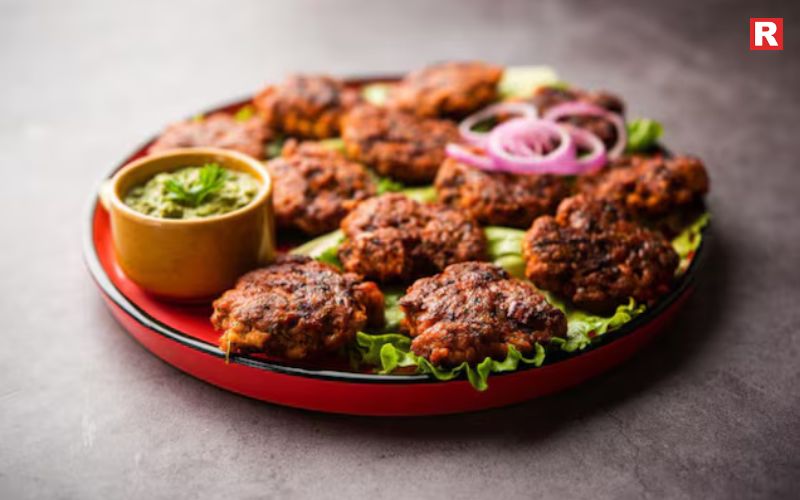
Galouti Kebab is the true pride of Lucknow. This dish was created in the 18th century for Nawab Asaf-ud-Daula, who loved kebabs but could no longer chew meat due to old age. His royal chefs crafted a kebab so soft that it would melt in the mouth. Minced meat is mixed with more than 30 spices and tenderized with raw papaya to achieve that perfect texture. It’s served with ulte tawe ka paratha, and together they create a taste of pure Nawabi luxury. Even today, Galouti Kebab remains one of the most loved delicacies in Awadhi cuisine.
2. Tunday Kababi – The Legacy of Lucknow’s Street Food
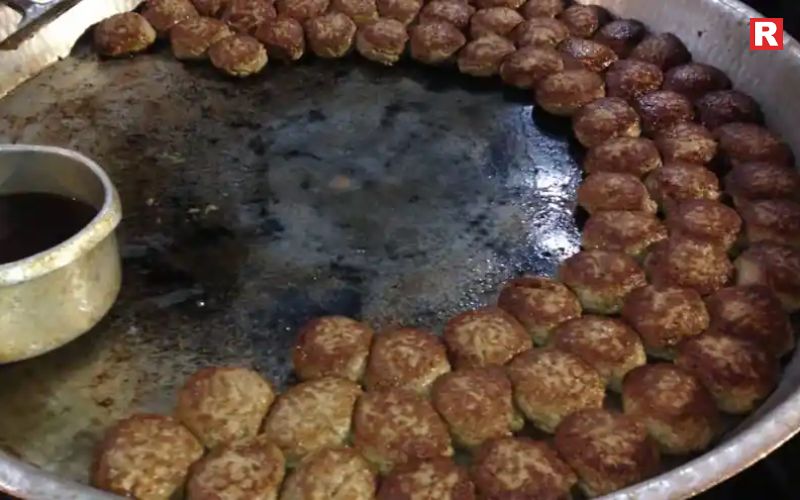
You can’t talk about Uttar Pradesh’s non-vegetarian food without mentioning Tunday Kababi. Located in the bustling lanes of Aminabad, this 100-year-old eatery serves the most iconic kebabs in the country. The recipe is said to include over 150 spices, passed down through generations. Each bite is packed with rich aroma, smoky texture, and heritage. Tunday Kababi is more than just a restaurant — it’s an institution that defines Lucknow’s culinary identity.
Read more: 8 Famous Vegetarian Dishes of Uttar Pradesh and Their Timeless Legacy
10 Famous Non-Vegetarian Dishes of Lucknow That Define Royal Awadhi Cuisine
3. Kakori Kebab – Soft, Smoky, and Refined
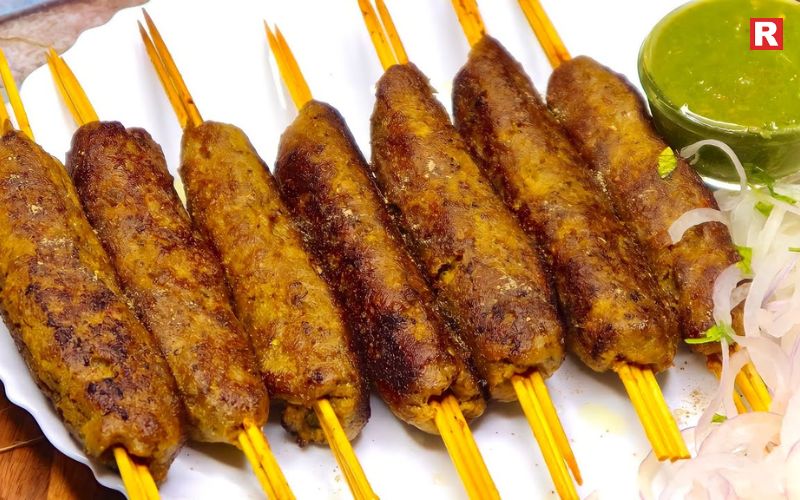
Kakori Kebab was born out of a Nawab’s embarrassment. During the British era, a nobleman in Kakori wanted to serve his guests kebabs, but they found them too coarse. His royal chefs refined the recipe by mincing the meat extra fine and marinating it with aromatic spices, saffron, and rose water. The result was a delicate, smooth kebab that became famous across India. Served hot off the grill, Kakori Kebabs still carry that touch of royal sophistication.
4. Mutton Korma – The Mughal Royalty on a Plate
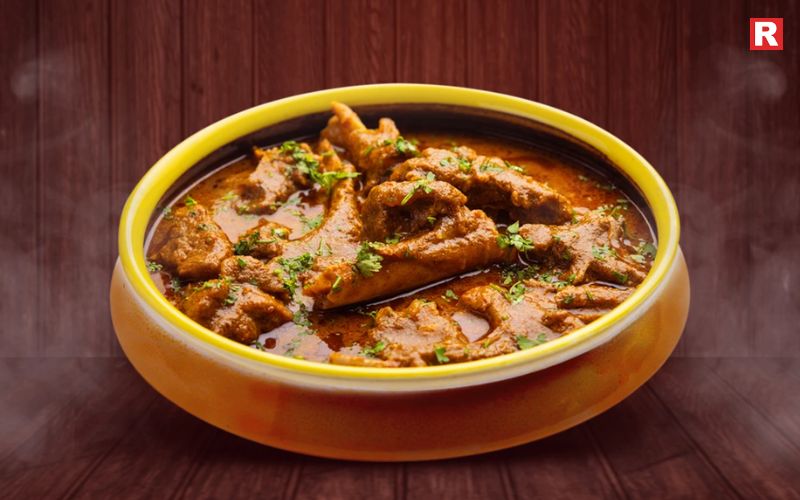
Mutton Korma is one of the oldest Mughal-inspired dishes from Uttar Pradesh. It combines tender pieces of mutton with yogurt, fried onions, and rich spices like cardamom, cloves, and cinnamon. The slow-cooking technique allows the flavours to blend beautifully, creating a thick, aromatic gravy. Traditionally cooked during royal feasts and weddings, this dish is a true representation of Mughal luxury. Today, it’s a Sunday favourite in many UP households, often paired with naan or steamed rice.
5. Nihari – The Breakfast of Kings
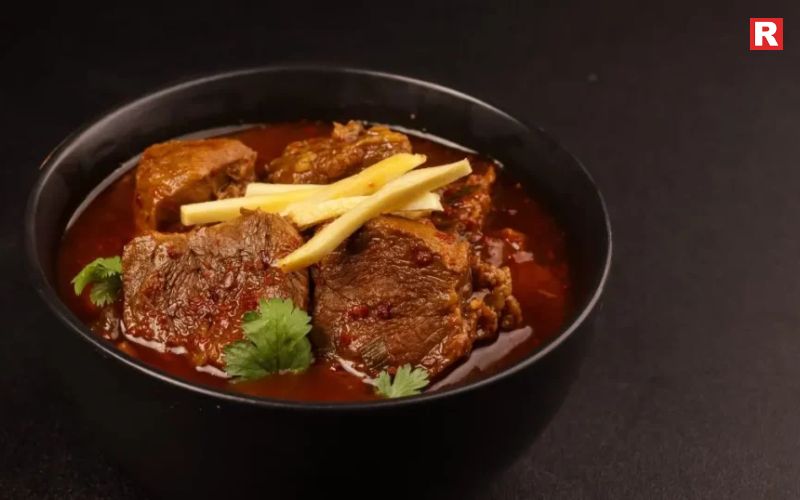
Nihari is not just a dish; it’s a tradition. Originating in Lucknow, it was once served to Nawabs after early morning prayers. The dish is slow-cooked overnight with meat, bone marrow, and spices, resulting in a rich, flavorful stew. The long hours of cooking make the meat incredibly soft, and the broth is thick with layers of flavour. Served with hot khameeri roti, Nihari is a breakfast that truly defines royal indulgence.
Know more: 5 Cities That Serve the Best Non-Vegetarian Street Food
6. Awadhi Biryani – The Crown Jewel of Lucknow
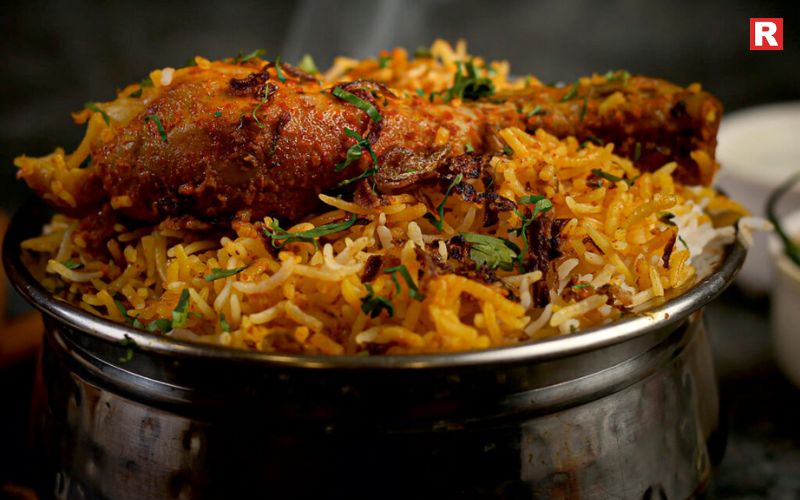
Awadhi Biryani stands apart from other biryanis in India. While the Hyderabadi version is spicy, Awadhi Biryani is known for its subtle aroma and refined taste. The dum pukht method — where marinated meat and rice are slow-cooked together in a sealed pot — infuses every grain with rich flavour. Saffron, rose water, and fried onions add depth and fragrance. The result is a royal dish that captures the elegance of Lucknowi cuisine.
7. Rampuri Mutton Curry – The Forgotten Royal Gem
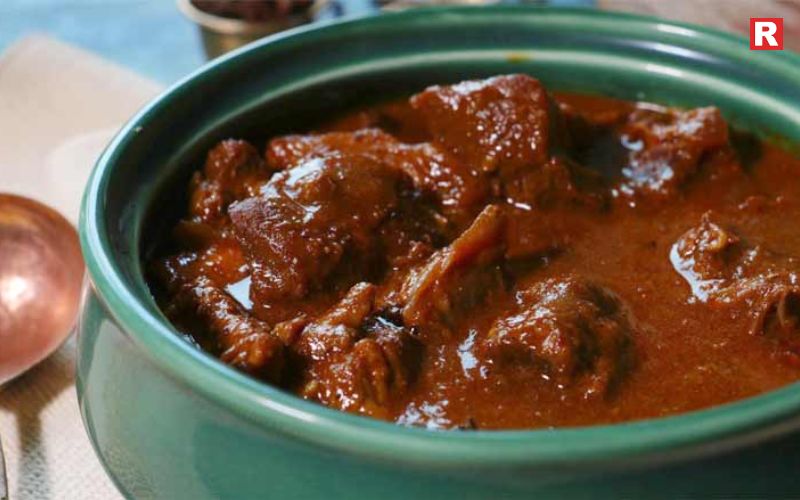
Rampur, once a princely state, had its own distinct royal kitchen. Rampuri Mutton Curry is a dish that combines the richness of Mughal cooking with local flavours. It uses roasted spices, dry fruits, and browned onions to create a smoky, spicy, and slightly nutty gravy. The balance of flavours is what makes it special — not too heavy, yet deeply satisfying. This dish is a reminder of Rampur’s hidden culinary heritage, which deserves much more attention today.
8. Moradabadi Biryani – The Street-Style Favourite
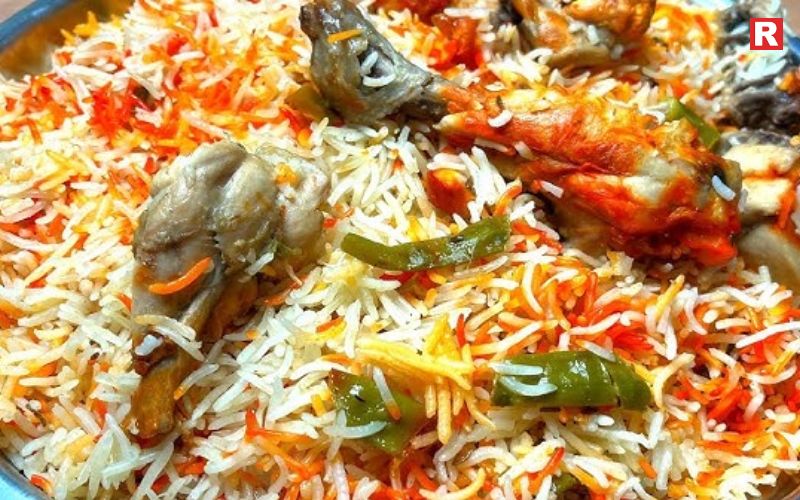
While Lucknow’s biryani speaks of royal elegance, Moradabadi Biryani is loved for its rustic simplicity. It’s spicier, tangier, and cooked with fewer ingredients — yet every bite bursts with flavour. Street vendors often serve it with sliced onions, mint chutney, and lemon juice. It’s a perfect example of how everyday food can become legendary when prepared with passion. Moradabad’s version is proof that biryani doesn’t always need royal roots to win hearts.
9. Murgh Musallam – The Whole Chicken Wonder
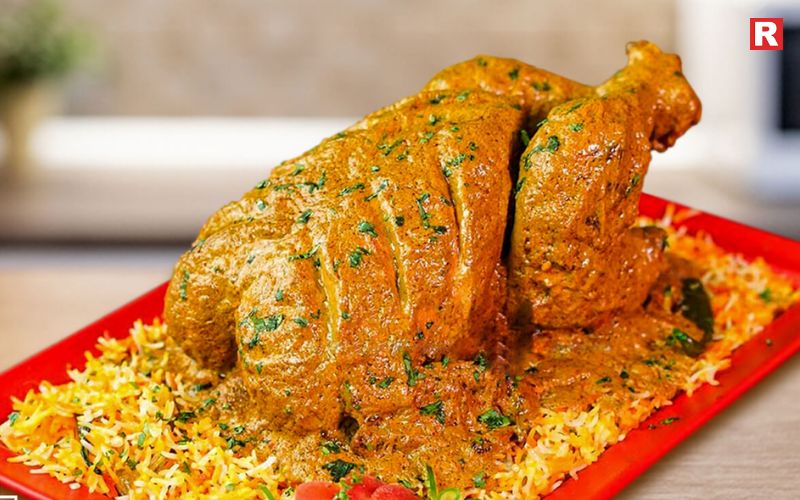
Murgh Musallam is another royal dish that once graced Mughal feasts. It’s made using a whole chicken marinated in yogurt, saffron, and ground nuts, then stuffed with eggs or spiced mince. The bird is slow-cooked until tender, absorbing all the flavours of the rich gravy. Served with rice or parathas, it’s an indulgent meal that speaks of grandeur. The dish was once a symbol of hospitality and is still cooked during festive occasions in many parts of UP.
Also check: Pani Puri Has Different Names in Different Indian States—Know Them All
World’s Tastiest Wraps: A Global Tour of Flavours
5 Tasty Dishes from Bihar You Must Try
10. Keema Kaleji – The Spicy Everyday Favourite
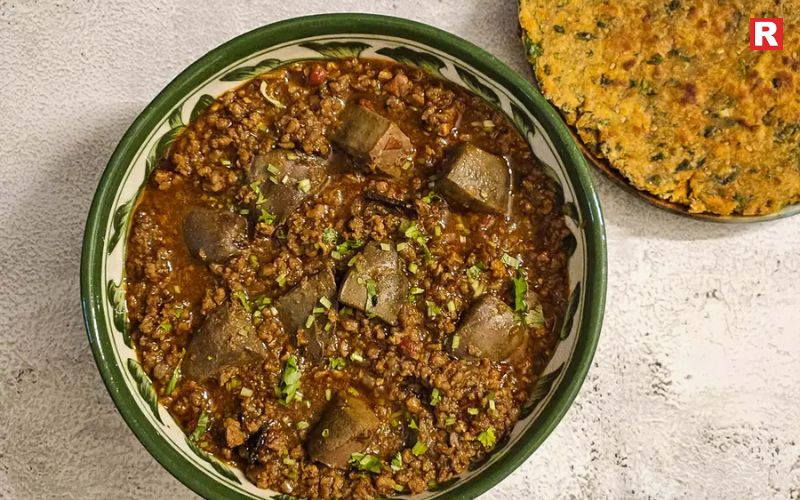
Keema Kaleji is a dish that reflects the everyday non-vegetarian culture of Uttar Pradesh. Found in small dhabas and local homes alike, it’s made with minced meat and liver cooked in a spicy, thick gravy. The bold use of ginger, garlic, and garam masala gives it a deep, rustic flavour. It’s best enjoyed with tandoori roti or pav. This dish shows how UP’s food balances comfort and intensity, making even simple ingredients taste extraordinary.
Where to Experience These Dishes
- Lucknow: Visit Tunday Kababi, Idris Biryani, and Rahim’s Nihari for authentic Awadhi flavours.
- Rampur: Try traditional mutton curries made with dry fruits and smoky spices.
- Varanasi: Explore street kebabs alongside the famous chaats.
- Kanpur and Agra: Known for spicy Keema and robust Korma preparations.
Why UP’s Non-Veg Cuisine Stands Apart
Uttar Pradesh’s non-vegetarian food is not about overpowering spice; it’s about balance and depth. The use of slow-cooking techniques, fragrant whole spices, and carefully layered flavours makes each dish a masterpiece. Whether you prefer the royal touch of Lucknow or the homely charm of a roadside dhaba, UP offers something for every palate.
Tasty Treat!
Uttar Pradesh’s non-vegetarian cuisine captures the essence of time, tradition, and taste. It reflects the state’s royal legacy and its love for food that goes beyond the ordinary. Every dish, from a kebab to a biryani, carries a story — of Nawabs, local cooks, and family recipes passed down through generations. The flavours are rich but balanced, the aromas deep yet comforting. Across cities like Lucknow, Rampur, and Moradabad, food is more than sustenance — it is culture. Each meal celebrates the art of slow cooking and the mastery of spices. The dishes connect the old with the new, where every bite reminds one of the state’s glorious past and its thriving food heritage. For anyone who enjoys regional flavours, Uttar Pradesh offers a taste of history served on a plate — simple, soulful, and unforgettable.
Saptopriya Ghosal
Feature Writer
I am a dedicated media professional with a bachelor's degree in mass communication from the State University of Calcutta and a postgraduate degree from Amity University. My academic journey has equipped me with a profound understanding of storytelling and communication. Passionate about the dynamic world of media, I continually strive to explore new ways to engage and inform through compelling narratives.



































































































































































