
10 Famous Indian Sweets from Different States
Traveling across India is like opening a box filled with sweets. Each state has its own flavor, its own story, and its own pride.

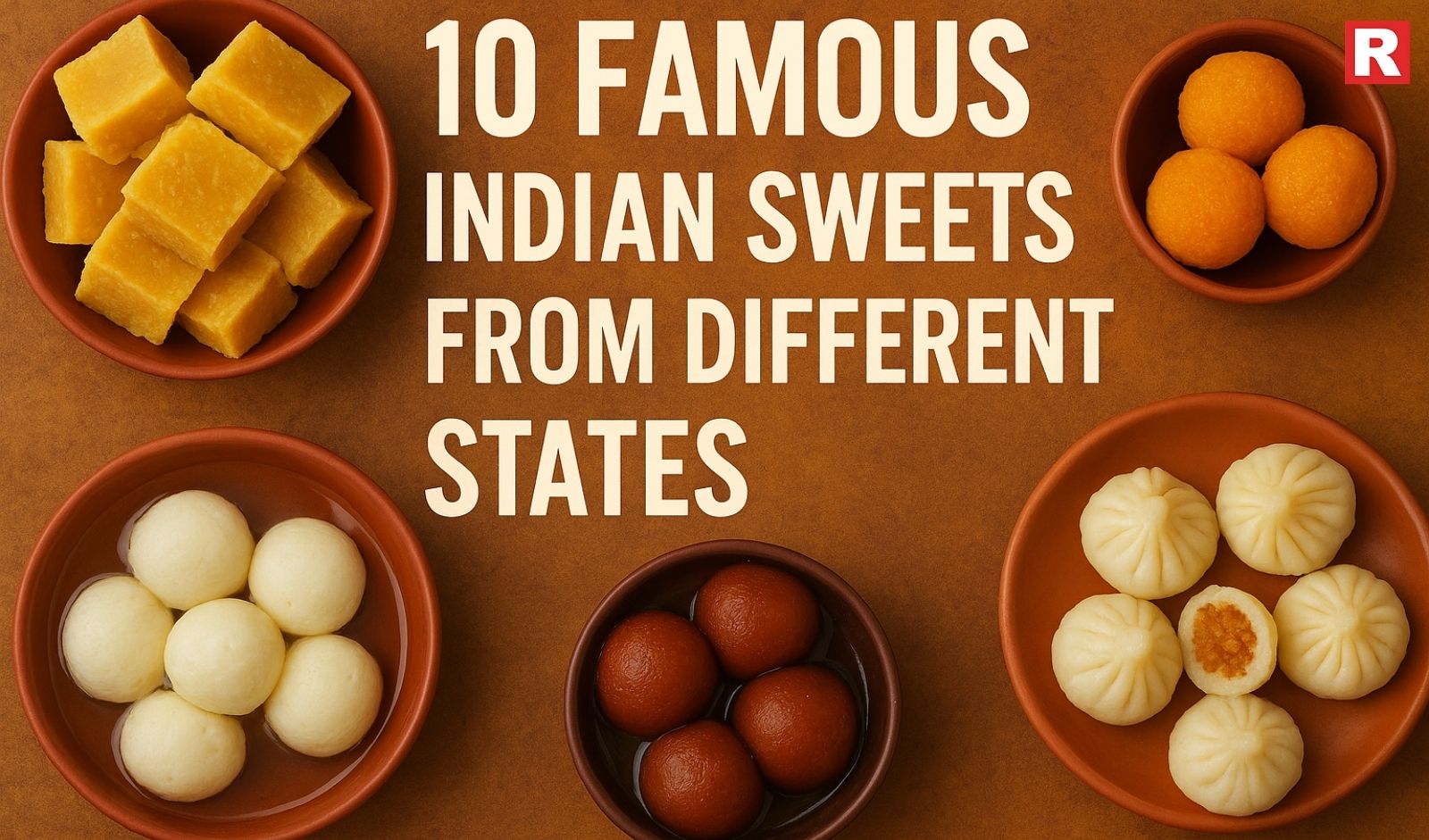
India is often called the land of flavors. Spices may have given it global fame, but sweets are what truly carry its soul. Every state in India has its own special mithai, each shaped by its culture and people. These sweets are not just food on a plate. They are memories, traditions, and stories that have been passed down through families for centuries. Many began in temple kitchens as offerings to gods, while others were born in royal palaces where cooks experimented with rich ingredients.
Over time, they became part of festivals, weddings, and everyday life. For Indians, sweets are tied to emotions. They mark celebrations, welcome guests, and even express love. From the spongy Rasgulla of Bengal to the rich Mysore Pak of Karnataka, each sweet is more than a dessert. It is a piece of history. For a food lover, exploring these sweets is like following a sweet map of India. Each one tells a story about the land it comes from and the people who cherish it.
Read more: 12 Delicious High-Protein Foods to Eat Daily for a Healthier You
5 Foods to Avoid for Better Cholesterol
1. Rasgulla – West Bengal
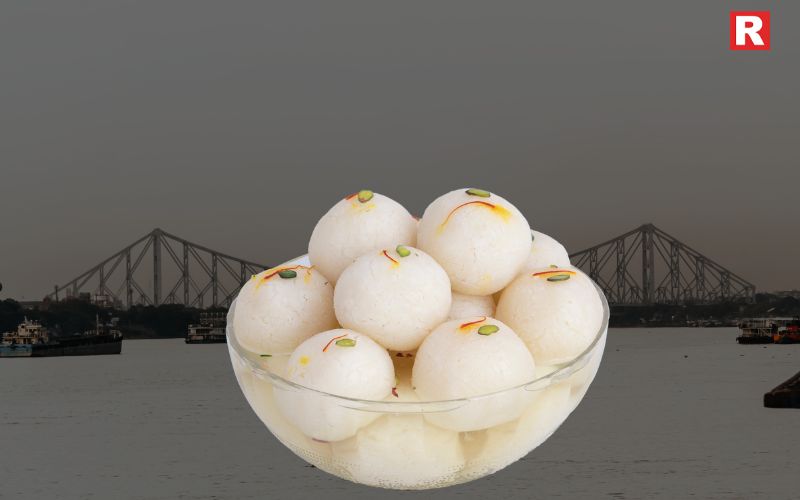
No list of Indian sweets is complete without Rasgulla. This white, spongy dessert made of chhena (cottage cheese) and sugar syrup is Bengal’s pride. The sweet is believed to have been created in Kolkata during the 19th century. There has always been a debate between Odisha and Bengal about its true origin. In fact, both states fought for the GI (Geographical Indication) tag. West Bengal got it in 2017, while Odisha received one for “Odisha Rasagola” in 2019. The charm of Rasgulla is its simple look and melt-in-the-mouth feel. Bengalis often serve it cold after meals or during festivals like Durga Puja. If you ever visit Kolkata, stopping by a sweet shop for Rasgullas is a must.
2. Petha – Uttar Pradesh (Agra)
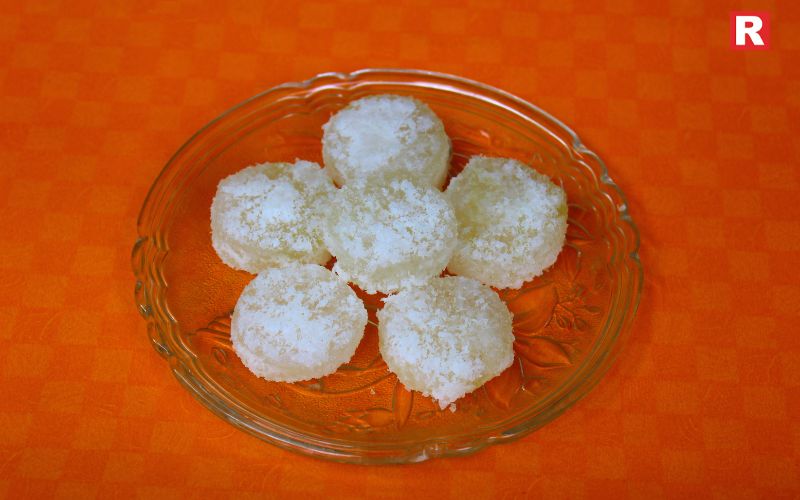
Agra is not just about the Taj Mahal. It is also the city of Petha. This translucent sweet is made from ash gourd (white pumpkin). It is boiled in lime water, then soaked in sugar syrup. Legend says Petha was first made in the Mughal kitchens to offer something refreshing and sweet to soldiers. Over time, it became Agra’s identity. Today, you will find countless Petha shops near the Taj Mahal. What makes it special is its variety. From classic dry Petha to modern flavors like mango, chocolate, and paan, there is something for everyone. Tourists often buy boxes of Petha as a souvenir.
3. Mysore Pak – Karnataka
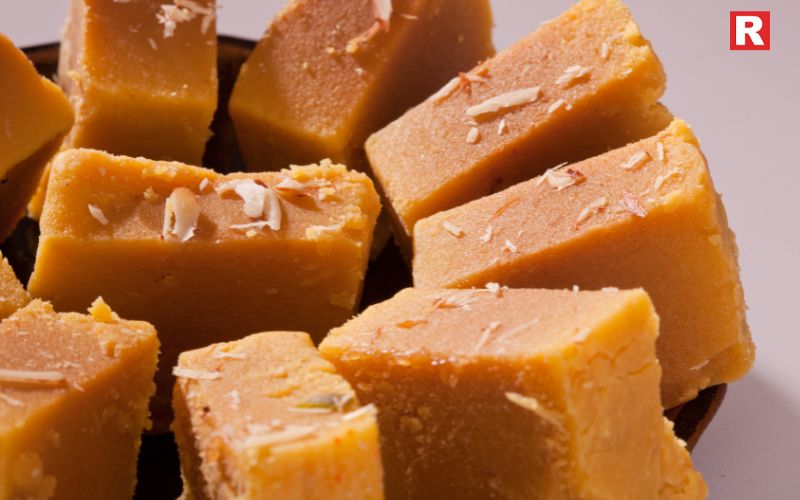
This royal sweet was born in the Mysore Palace during the rule of King Krishnaraja Wodeyar. A royal cook accidentally created this recipe with ghee, gram flour, and sugar. The king loved it so much that it became a part of palace tradition. Mysore Pak is known for its rich ghee flavor and crumbly texture. Some versions are soft and melt instantly, while others are firm and break like fudge. It is often prepared during Diwali in South Indian homes. If you are in Karnataka, you cannot miss tasting Mysore Pak. Many say the original from the royal kitchen is still unmatched.
Know more: Top 5 States With the Spiciest Food in India
4. Motichoor Ladoo – Rajasthan
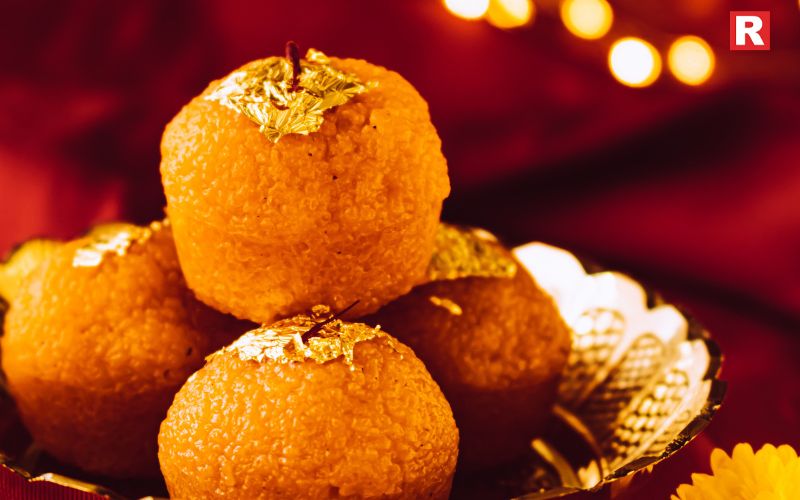
Rajasthan is famous for its bright colors and royal feasts. Its sweets are equally grand. Motichoor Ladoo is one of the state’s most loved sweets. Tiny fried gram flour pearls are soaked in sugar syrup and then rolled into balls with ghee and cardamom. These laddoos are offered in temples and at weddings. They are also closely linked with Lord Ganesha, who is believed to love laddoos. In fact, during Ganesh Chaturthi, Motichoor Ladoo is a must-have offering. What makes them stand out is their fine texture and saffron flavor. Rajasthan’s festive celebrations are incomplete without these laddoos.
5. Modak – Maharashtra
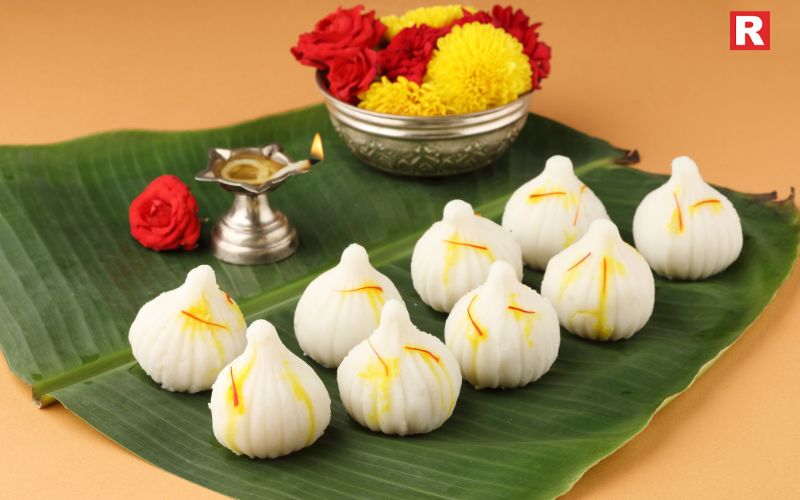
If Maharashtra had to pick one sweet as its identity, it would be Modak. This steamed dumpling is made of rice flour, stuffed with jaggery and coconut. During Ganesh Chaturthi, Modak is prepared in almost every Maharashtrian home. There are many versions of Modak today. Some are fried, some are made with chocolate, and even fusion styles are becoming popular. Yet, the traditional steamed “Ukadiche Modak” remains the most loved. For Maharashtrians, Modak is not just food. It is a symbol of devotion to Lord Ganesha. Every bite tastes of warmth and culture.
6. Sandesh – West Bengal
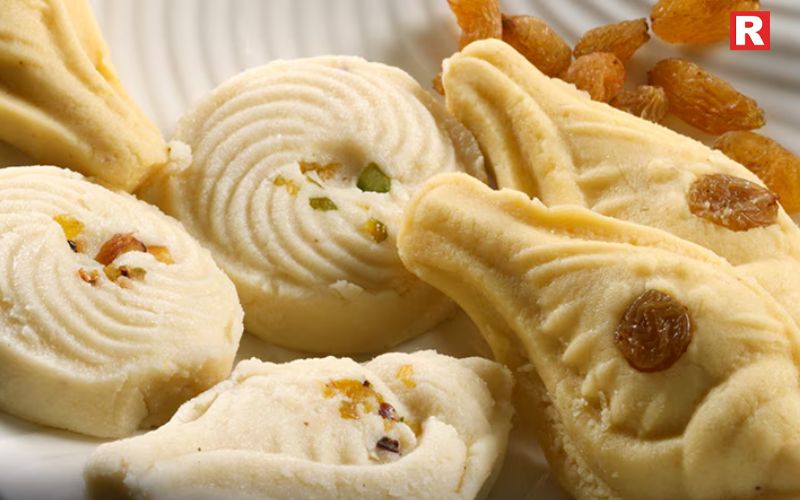
While Rasgulla is Bengal’s pride, Sandesh is its art. This sweet is made with fresh paneer and sugar. It is soft, light, and often flavored with fruits, saffron, or rosewater. Sandesh has a special place in Bengali households. It is given to guests, shared during festivals, and even offered as gifts. Sweet shops in Kolkata often shape Sandesh into flowers, fruits, and unique designs. It is said that Rabindranath Tagore himself loved Sandesh and often mentioned it in his writings. The sweet reflects the creativity and elegance of Bengal.
7. Ariselu – Andhra Pradesh and Telangana
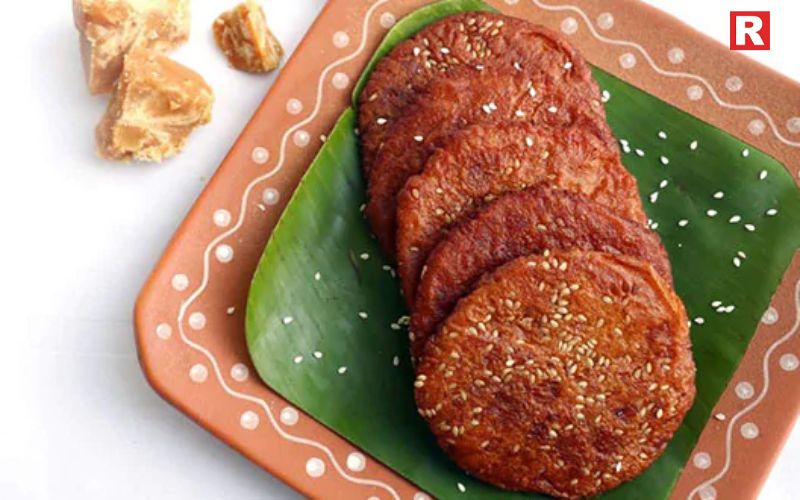
Ariselu is a traditional sweet deeply tied to harvest festivals. It is made with rice flour, jaggery, and sesame seeds. The dough is fried in ghee, giving it a crisp outer layer and a soft inside. Families in Andhra Pradesh and Telangana prepare Ariselu during Makar Sankranti. It is considered an auspicious sweet that brings prosperity. Mothers often make it at home using recipes passed down from generations. What makes Ariselu unique is its earthy taste, as jaggery and ghee dominate the flavor. It is not just a sweet, but a symbol of family bonding.
Also check: 10 Must-Try Gujarati Dishes That Will Delight Your Taste Buds
8. Kaju Katli – Gujarat and Maharashtra
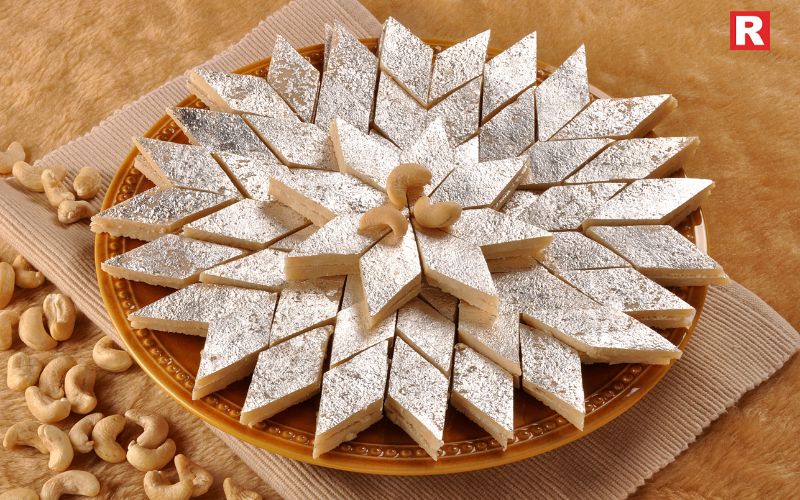
Kaju Katli is perhaps the most popular gift sweet during Diwali. This cashew-based dessert is cut into diamond shapes and often topped with silver leaf. Its silky texture and nutty flavor make it a crowd favorite. The sweet is said to have Mughal influences. Cashews, which were once considered royal ingredients, gave Kaju Katli its rich character. Today, it is loved across India, especially in Maharashtra and Gujarat. Diwali celebrations almost feel incomplete without a box of Kaju Katli. It is the sweet that symbolizes sharing and gifting.
9. Chhena Poda – Odisha
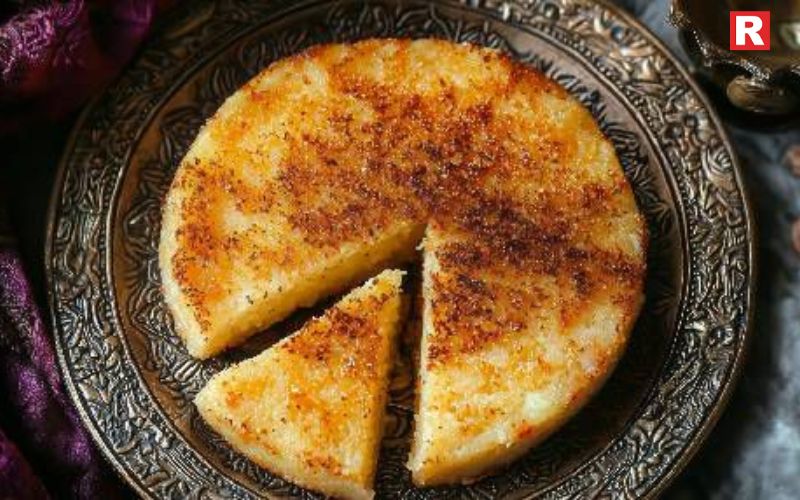
Chhena Poda means “roasted cheese.” This baked cottage cheese dessert is Odisha’s pride. It is made by mixing chhena with sugar and cardamom, then baking it until caramelized. The story goes that a cook accidentally left sweetened chhena in an oven overnight. The next morning, Chhena Poda was born. Since then, it has become a festive delicacy. Its smoky, caramelized flavor sets it apart from other Indian sweets. If you visit Odisha during festivals like Raja Parba, you will surely find Chhena Poda being served.
10. Payasam – Kerala
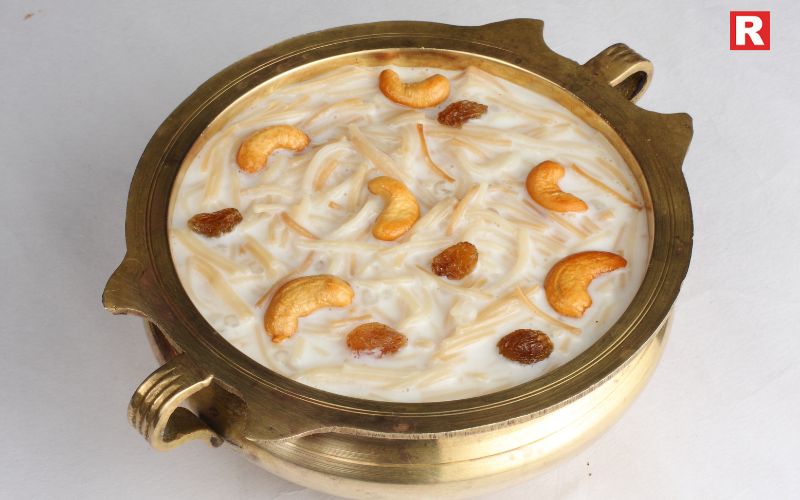
No Kerala feast is complete without Payasam. This milk and rice pudding is made with jaggery, coconut milk, or sugar. It is served at weddings, temples, and especially during the grand Onam Sadya. There are many varieties of Payasam, such as Pal Payasam (milk-based) and Ada Pradhaman (with rice flakes and jaggery). Each version carries a unique taste but the same sense of warmth. Payasam is more than a dessert. It is part of Kerala’s hospitality. When you are served Payasam in a traditional banana leaf feast, you know you are truly welcome.
Why Indian Sweets Are More Than Just Desserts
Indian sweets are tied to culture and emotions. They are offered to gods, shared at weddings, and gifted during festivals. Many were born in temples or royal kitchens, carrying history in every bite.
Even today, sweets remain a symbol of love and celebration. Modern versions may use chocolate or fusion styles, but the essence remains the same. Every mithai is a reminder of India’s diversity and traditions.
Check more: 7 Healthy Chicken Dishes to Maintain Your Diet
6 Benefits of Drinking Black Coffee
Top 10 Health Benefits of Eating Dry Fruits Daily
The Sweet Treat!
Traveling across India is like opening a box filled with sweets. Each state has its own flavor, its own story, and its own pride. The soft Rasgulla from Bengal speaks of Bengal’s love for chhena. The rich Mysore Pak of Karnataka tells the tale of royal kitchens. In Odisha, Chhena Poda brings the charm of an accidental creation, while in Maharashtra, Modak shows devotion to Lord Ganesha. These sweets are more than taste; they are memories, culture, and family traditions wrapped in sugar and ghee. For a traveler, tasting local mithai is as important as visiting monuments. A sweet shop can tell you more about a place than any guidebook. Every bite is a story, and every dessert is a small window into India’s heritage.
Saptopriya Ghosal
Feature Writer
I am a dedicated media professional with a bachelor's degree in mass communication from the State University of Calcutta and a postgraduate degree from Amity University. My academic journey has equipped me with a profound understanding of storytelling and communication. Passionate about the dynamic world of media, I continually strive to explore new ways to engage and inform through compelling narratives.



































































































































































