
10 Famous Indian Spices That Transformed Global Trade
From the bustling ports of Kerala to the lavish kitchens in Delhi, Indian spices have done more than just flavor food; they’ve changed the world.

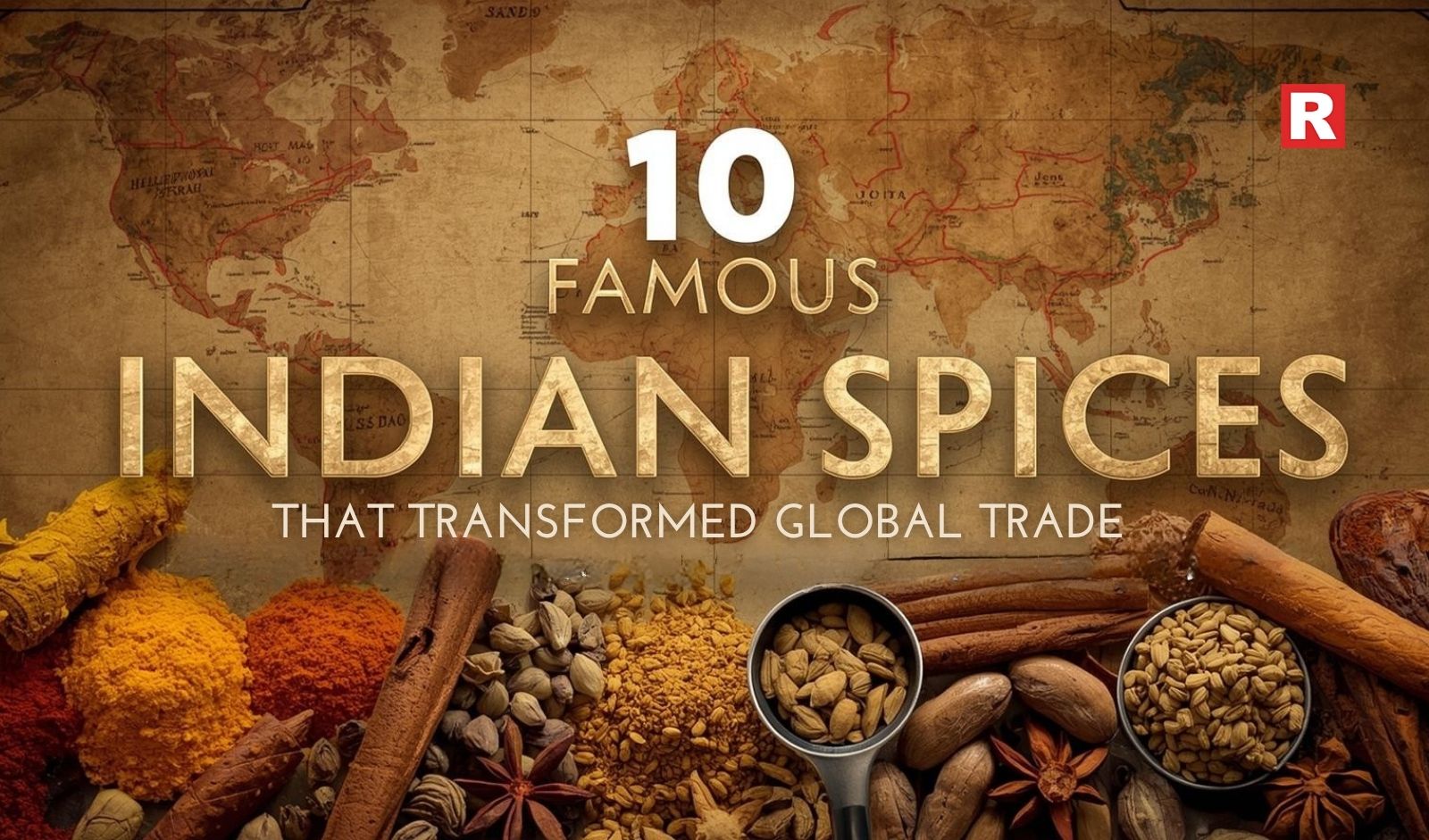
India’s history is soaked in spice. For ages, people have called it the “Land of Spices,” and honestly, that’s no exaggeration. From the bustling ports of Kerala to the lavish kitchens in Delhi, Indian spices have done more than just flavor food; they’ve changed the world. Explorers risked everything, like crossing wild oceans for them. Empires fought and fell over them. Trade boomed and the world got a little smaller, all thanks to these tiny, powerful ingredients.
Let’s take a quick trip back in time and check out the 10 classic Indian spices that didn’t just shake up global trade, but changed the world. They still bring excitement to our kitchens today.
India: The World’s Spice Capital
India’s thing for spices goes way back in history. Ancient texts like the Atharva Veda and Charaka Samhita talk about tossing spices into food, medicine, and even rituals. By 2000 BCE, Indian traders were shipping spices to Mesopotamia, Egypt, and China.
After that, Arab merchants took over, hauling spices west. Then came the Europeans like Vasco da Gama, Columbus, and the rest, obsessed with finding a direct way to India for one reason: to get their hands on these spices.
These little seeds, roots, and pods didn’t just make food tastier. They colored history, flipped economies, and built empires.
Read more: 5 Markets in India Famous for Spices
The Spice Trade: The Engine of World History
The Indian spice trade wasn’t just about cooking; it was the heart of ancient world business.
- Indian ports like Calicut, Cochin, and Goa sat at the crossroads, linking India with Arabia, Africa, and Europe by sea.
- In Rome, spices kept meat fresh and turned dinners into feasts for the rich.
- When the Ottomans blocked the old land routes to Asia, Europeans started to find new ones by sea, and ended up stumbling onto entirely new continents.
- The Portuguese, Dutch, and British fought hard to control every inch of India’s spice-rich soil.
Bottom line: Spices were more than flavor; they were money, power, and status.
10 Indian Spices That Changed the World
1. Black Pepper – “The Black Gold”
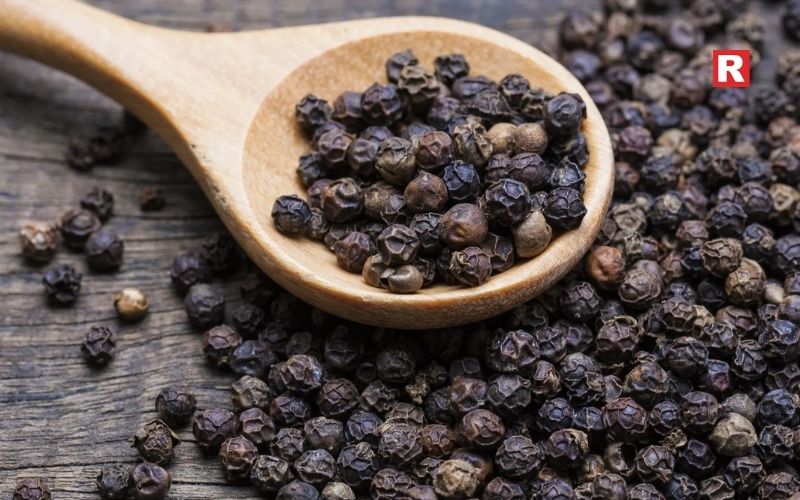
Originating from the Malabar Coast, Kerala, Europeans once called Black Pepper “black gold.” You could literally pay your rent with pepper. Pepper kept the Roman-Indian trade busy and brought the Portuguese to India in 1498. India still ships pepper everywhere in the world. People love it for its spice and its health perks.
Fun fact: Back in the Middle Ages, a sack of black pepper was as valuable as a chest of gold.
2. Cardamom – “The Queen of Spices”
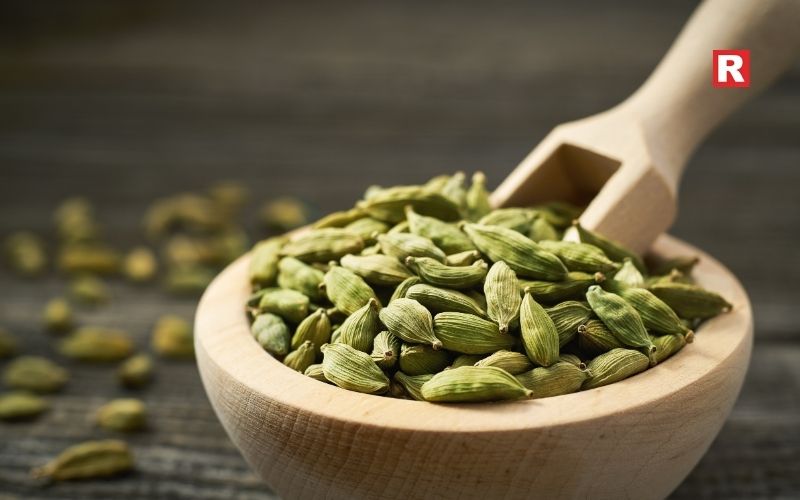
Originating from the Western Ghats in Kerala and Karnataka, Cardamom was second to black pepper in terms of popularity. Arabs traded it, Romans adored its sweet smell. People used it to make perfume, food, medicine, and many other things. India still grows and sells tons of cardamom, especially to the Middle East and Europe.
Fun fact: Ancient Greeks used cardamom in perfume and thought of it as a symbol of luxury and love.
3. Cinnamon – The Sweet Secret
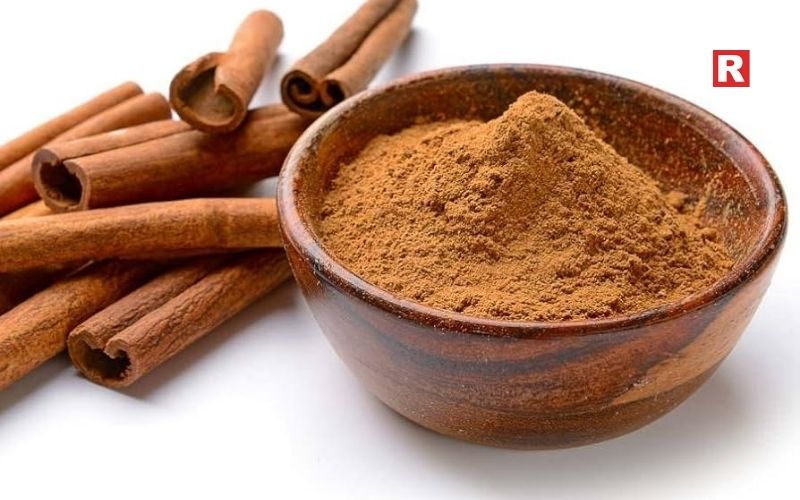
Cinnamon is native to Sri Lanka, but Indian ports moved it everywhere. Egyptians used it to embalm mummies. In fact, medieval Europe went nuts for the taste and smell of cinnamon. It was brought by Arabs into India and then sent on to the West. Even now, cinnamon is widely used in Indian desserts, chai, and spice mixes.
Fun fact: For centuries, traders lied about where cinnamon came from to keep prices sky-high.
Know more: The Secret Spice Box: Most Common Spices Chefs Can’t Live Without
4. Cloves – The Empire’s Spice
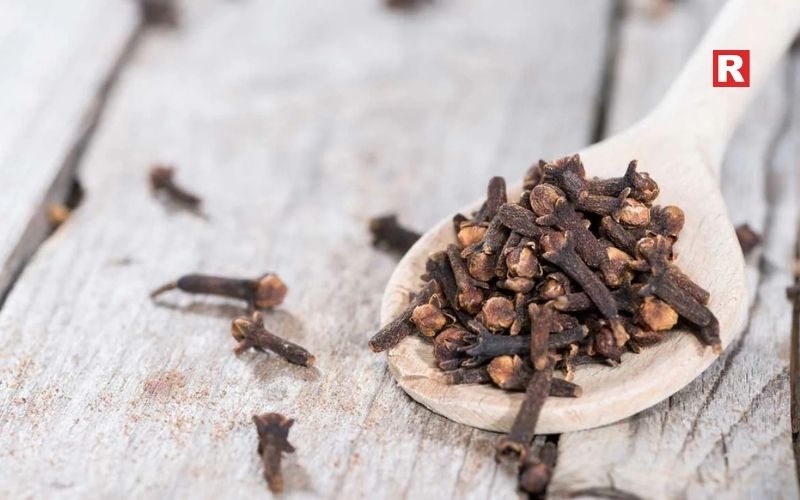
Native to the Spice Islands, Indonesia, the British spread cloves to India. It was used for many things, like keeping food fresh, and was used in medicine. Cloves helped spark European colonization in Asia. Now it is grown in Tamil Nadu and Kerala, and thrown into garam masala, biryani, and tea.
Fun fact: A handful of cloves could buy you a goat in 15th-century Europe.
5. Turmeric – The Golden Healer
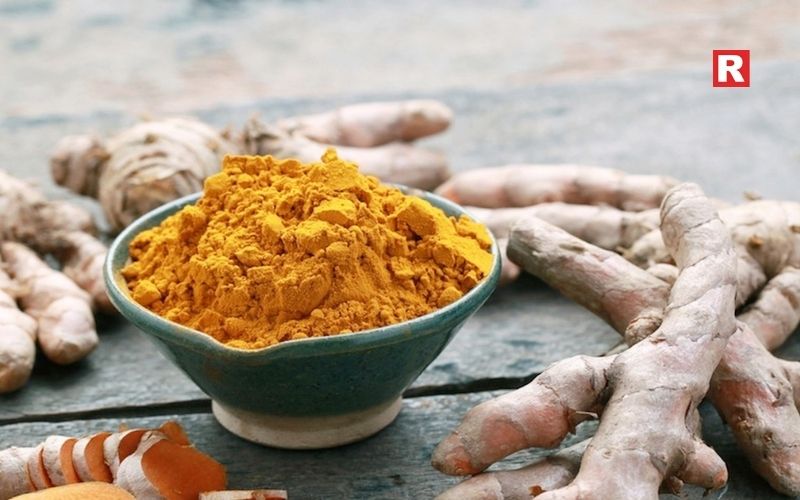
Native to India, Turmeric has been farmed for more than 4,000 years. It is used in medicine, food, and rituals. It was traded by Arab merchants in the past. It became a symbol of India’s healing power in the world. Even now, turmeric is a global superstar. It is used in lattes, supplements, and many more things.
Fun fact: India’s turmeric trade is worth billions, and the world still can’t get enough.
6. Ginger – The Ancient Traveler
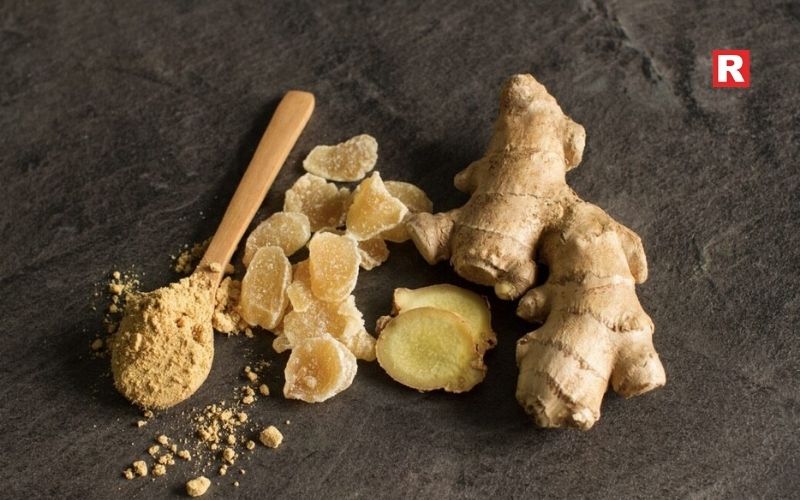
Originating from Southern India and Southeast Asia, ginger is widely used in tea and medicine nowadays. It was one of the first spices to make it big in global trade. Greeks and Romans used it for medicine. It was shipped to Europe as early as the 1st century AD. Now it’s everywhere, in food, teas, and even in wellness shots.
Fun fact: Queen Elizabeth I adored gingerbread so much that she made it a royal trend in England.
7. Nutmeg – The Spice That Caused Wars
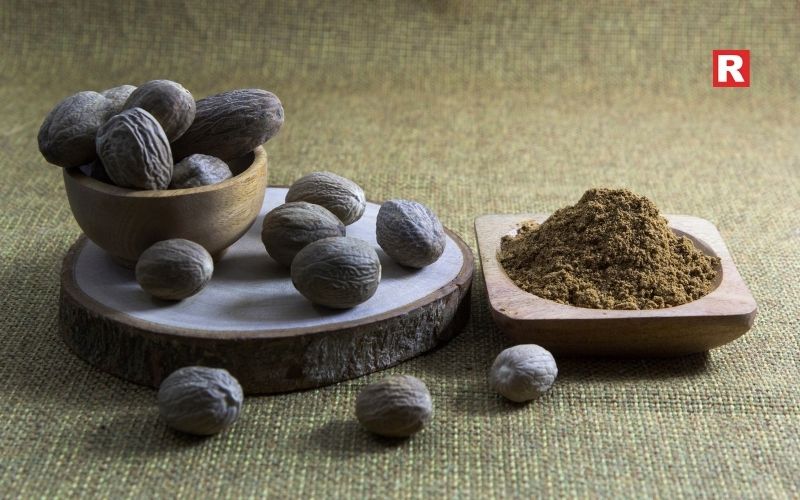
It was founded in the Banda Islands (Indonesia), but it passed through India on its way west. Europeans literally fought wars for control over the nutmeg islands in the past. It was so sought after that the Anglo-Dutch Treaty was created. And the Dutch traded New York for a nutmeg island. Now India grows nutmeg in Kerala, mixing it into desserts and spice blends.
Fun fact: In medieval times, nutmeg was so precious, people went to war for it.
What's new: Indian Spice Blends from Restaurant Chefs: Recipes, Techniques & Regional Masalas
8. Cumin – The Ancient Spice of Civilization
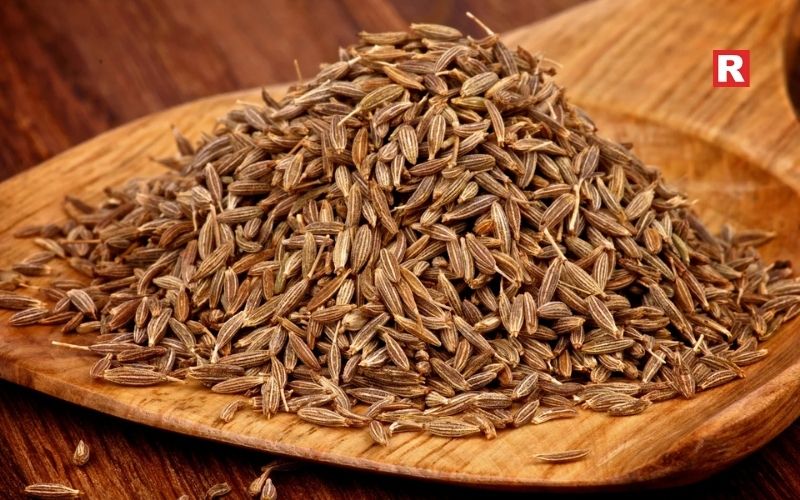
Cumin was founded in North India, and you’ll find it mentioned in old Vedic and Egyptian writings. People used it for everything from cooking, medicine, and even in the process of mummification. Traders moved cumin all over, especially through the Arab-Indian routes into Europe. These days, you’ll taste it in Indian curries, but it shows up in Mexican, Mediterranean, and Middle Eastern dishes too.
Fun fact: India now grows about 70% of the world’s cumin.
9. Fenugreek – The Humble Powerhouse
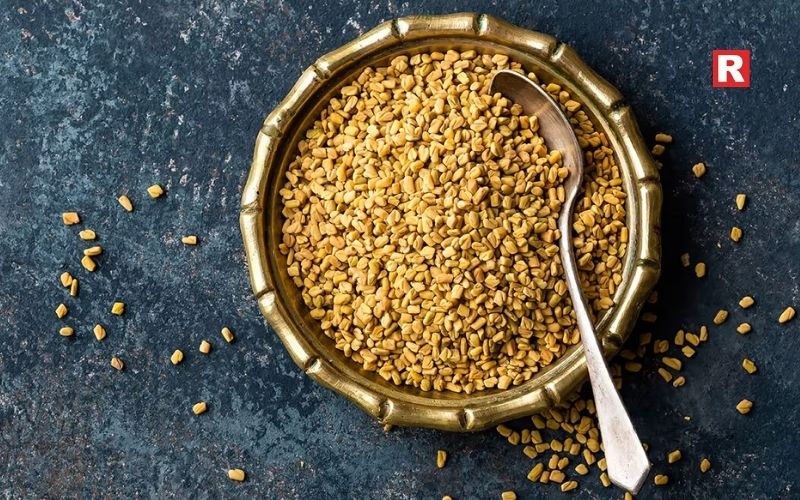
Fenugreek comes from the Mediterranean, but North India took a real liking to it and started growing tons. Ancient Egyptians and Greeks prized it for both its health benefits and its strong aroma. Over time, fenugreek became a staple in the spice trade, valued for food and herbal remedies. Today, it’s a must in Indian curries, pickles, and spice mixes.
Fun fact: “Methi” seeds are still used as a natural cure for digestive and diabetic ailments.
10. Saffron – The Red Gold of India
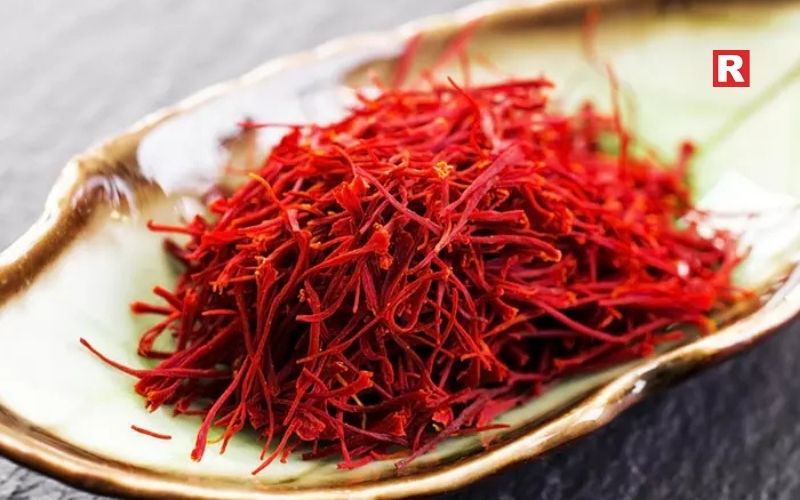
Saffron originally came to India from Persia and grows mainly in Kashmir. It’s famous as the world’s most expensive spice, mostly because harvesting it is such grueling work. Saffron was always a symbol of royalty and spirituality, and people traded it as far as Rome and Arabia. Now, you’ll find it in desserts, biryanis, perfumes, and traditional medicine.
Fun fact: It takes around 75,000 saffron flowers to produce just one pound of the spice!
Check out: 5 Indian Spices You Should Never Skip in Daily Cooking
Top 10 Vegan Street Foods in India Every Indian Loves
Economic and Cultural Impact of the Spice Trade
- Spices weren’t just things to buy and sell; they changed the world. They helped in the exchange of cultures, ideas, and economies.
- They made India incredibly rich in ancient times and set off the Age of Exploration, drawing Europeans to India’s shores.
- Indian spices turned up everywhere: pepper in Italian pasta, cinnamon in Arabian coffee, turmeric in wellness drinks worldwide.
- Cities like Calicut and Cochin became buzzing hubs where goods, cultures, and ideas collided.
- Spices even served as royal gifts, dowries, and tribute to conquerors.
- Today, India still leads, exporting over 45% of the world’s spices — a legacy thousands of years in the making.
Modern Spice Trade: India’s Continuing Legacy
India still tops the charts in growing, eating, and exporting spices.
- Top Producers: Kerala is famous for its pepper and cardamom, Rajasthan for cumin and coriander, and Kashmir for saffron.
- Key Export Markets: The biggest markets for spices are the U.S., Germany, Saudi Arabia, and the U.K
- Export Value: Spice exports bring in over $4 billion every year.
- Emerging Trends: These days, people want organic and sustainably sourced spices.
India’s traditional spice-growing regions are protecting their specialties with GI tags like Malabar Pepper and Alleppey Turmeric, keeping their heritage real and recognized.
Fascinating Facts About Indian Spices
- Spices were worth as much as gold or land in the past. Pepper and nutmeg were traded like currency.
- The word “spice” actually comes from the Latin for “special merchandise.”
- Indian blends like garam masala inspired all kinds of global seasoning mixes.
- For centuries, Arab traders kept the origins of these spices secret to keep their monopoly.
- The Portuguese colonized Goa mainly to corner the spice market.
Learn more: 10 Indo-Japanese Fusion Foods You Must Taste
From Ancient Bazaars to Global Markets
The story of Indian spices is really the story of how food and culture grew up together. From ancient trade routes to today’s kitchens, India’s spices have shaped the way the world eats. They aren’t just ingredients; they’re pieces of history and adventure. Every pinch of pepper, every strand of saffron, every burst of cardamom carries a story that started long ago in India’s fields. And the aroma still travels around the globe.
Mahak Sharma
Content Writer
Mahak Sharma is a passionate content writer with 2 years of experience crafting compelling content across various niches, tailoring her writing to suit different audiences and platforms. She is dedicated to producing engaging content for readers so that they can understand and enjoy the articles. Her strengths lie in crafting SEO-friendly, well-structured articles that drive visibility and engagement.



































































































































































